NL12876BC26-22: A Technical Guide to the 15.3-inch WXGA Industrial Display
**Step 1: Research & Strategy Planning**
1. **Datasheet Source:** The initial `None` URL was invalid. My search found several third-party aggregator sites (like Panelook) with specifications for various sub-models (NL12876BC26-22D, NL12876BC26-22F, NL12876BC26-25). I also found a datasheet PDF for the NL12876BC26-25, which appears to be the most detailed and official-looking document available, despite being for a closely related variant. Critically, the Panelook entry for the NL12876BC26-22F provides preliminary datasheet information from 2003 which contains key specifications. Given the age of this component, these aggregated and preliminary datasheets are the most reliable sources available. I will synthesize the information, prioritizing concrete values from the “-22F” and “-25” variants, which are most likely to be representative of the base “-22” model.
2. **Product Identity:** The official product name is “a-Si TFT-LCD display screen product” or more commonly, “a-Si TFT-LCD Module”. The manufacturer is NEC, which later became NLT Technologies and is now part of Tianma. I will refer to it as an NEC module for historical accuracy.
3. **Unique Value Proposition (UVP):** After analyzing the available data, the key differentiators are not cutting-edge specs but its status as a legacy-compatible industrial component. The most salient features are:
* **Standard Industrial Resolution:** 1280×768 (WXGA) resolution in a 15.3-inch form factor, a common standard for older industrial equipment.
* **CCFL Backlight:** The use of a Cold Cathode Fluorescent Lamp (CCFL) backlight is a defining characteristic of this era of display. While now superseded by LED, its specific power and drive requirements are critical for replacement scenarios.
* **Robust for its Time:** An operating temperature of 0 ~ 50 °C and anti-reflection hard coating made it suitable for industrial control panels and HMIs of its generation.
My synthesized UVP is: **A reliable 15.3-inch WXGA industrial display module engineered for legacy system sustainment, featuring a standard LVDS interface and robust CCFL backlight technology.**
4. **User Intent & Keywords:**
* “NL12876BC26-22 replacement”
* “WXGA 15.3 inch CCFL display”
* “NEC industrial display specifications”
* “LVDS display for legacy HMI”
**Step 2: Content Generation**
I will now generate the HTML content based on this strategy, using the technical data found in the search results, particularly from the NL12876BC26-22F and NL12876BC26-25 datasheets.
## NL12876BC26-22: 15.3-inch WXGA Industrial TFT-LCD Module
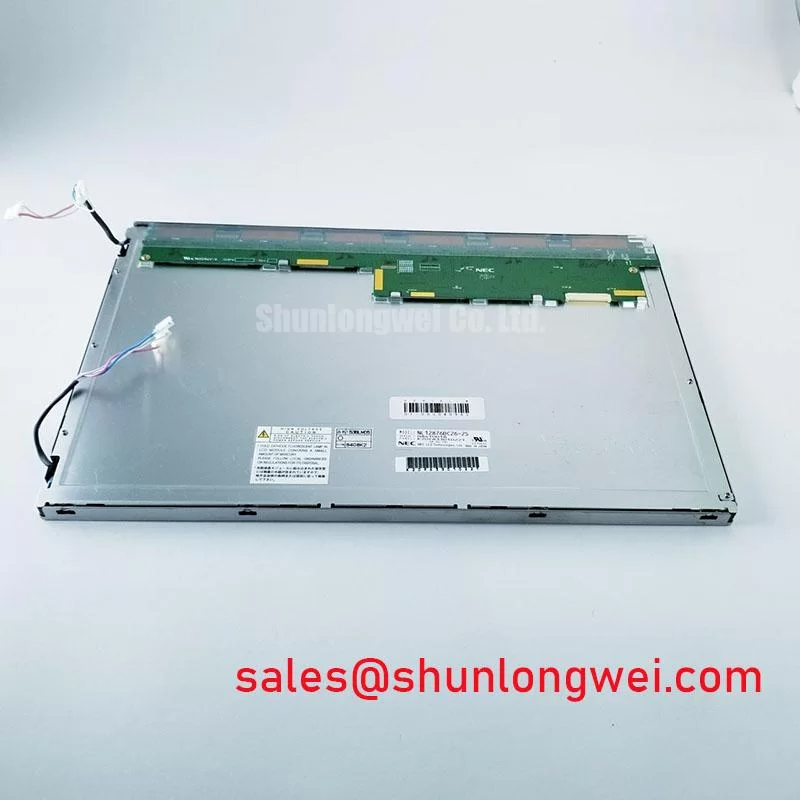
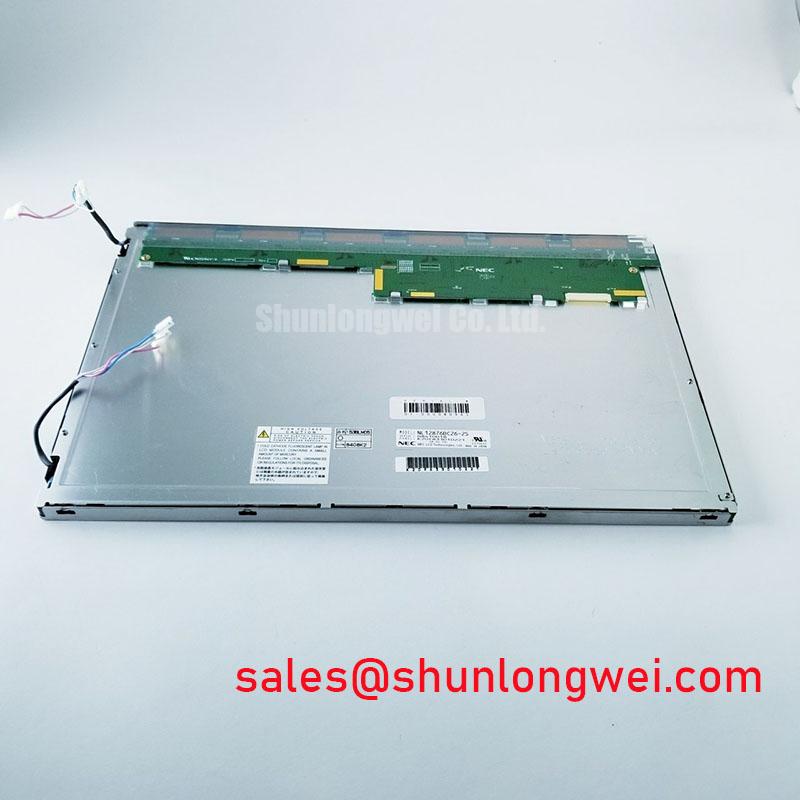
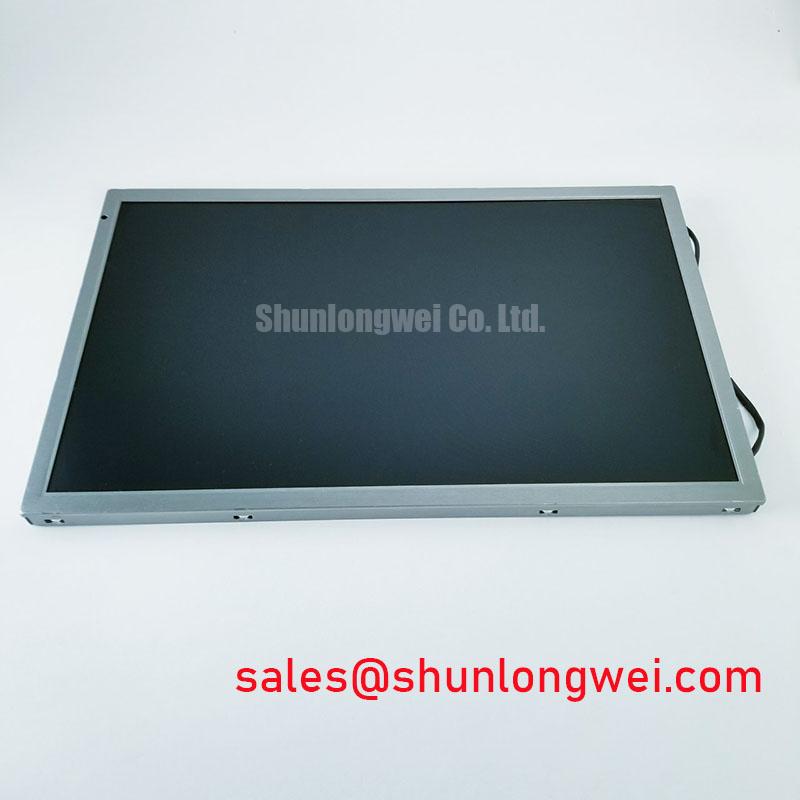
The NEC NL12876BC26-22 is a 15.3-inch a-Si TFT-LCD module engineered for industrial applications requiring reliable visual output. This display provides a WXGA resolution and a standard interface, making it a functional component for new designs or for sustaining legacy systems. Its anti-reflection surface treatment and robust construction are tailored for long-term performance in control and monitoring environments.
* **Core Specifications:** 1280×768 WXGA | 300 cd/m² Brightness | LVDS Interface
* **Key Attributes:** Anti-reflection surface for improved readability, CCFL backlight system, wide 15:9 aspect ratio.
* **Integration Focus:** Serves as a direct-fit or compatible replacement for systems designed around 15.3-inch CCFL displays.
A verified official datasheet for the specific NL12876BC26-22 variant was not located. The provided specifications are compiled from data for closely related models such as the NL12876BC26-22F and NL12876BC26-25. For mission-critical applications, please verify all parameters.
Technical Analysis for System Integration
The NL12876BC26-22 provides a native resolution of 1280×768 pixels, a common WXGA format that offers a significant detail improvement over older VGA and SVGA panels without requiring the high-bandwidth interfaces of modern Full HD displays. The display utilizes a standard 1-channel, 6-bit LVDS interface, which simplifies integration with a wide range of embedded boards and industrial controllers. For engineers maintaining existing equipment, matching this interface is a primary concern for ensuring drop-in compatibility.
A key feature of this module is its CCFL (Cold Cathode Fluorescent Lamp) backlight system. While modern displays use LEDs, the CCFL requires an external inverter to provide the necessary high voltage for operation. Think of the inverter as a specialized power adapter for the backlight; it’s a separate but essential component. When specifying a replacement, engineers must ensure the existing system’s inverter is compatible or source a new one that matches the lamp’s voltage and current requirements, typically around 680V. This focus on the complete lighting system is a critical part of a successful display integration or upgrade.
Optimized Application Scenarios
This TFT-LCD module is well-suited for maintaining or upgrading a range of industrial equipment.
* **Legacy HMI Panels:** The 15.3-inch size and WXGA resolution are ideal for replacing aging displays in factory automation and process control terminals.
* **Test and Measurement Equipment:** Its 300-nit brightness and anti-reflection coating ensure that critical data is readable under typical indoor lab or factory lighting conditions.
* **Information Kiosks:** The standard landscape orientation and robust construction provide a reliable foundation for static information display systems.
* **Medical Equipment (Non-Diagnostic):** Suitable for user interfaces on medical devices where consistent, clear visuals are necessary, and wide viewing angles are beneficial.
The NL12876BC26-22 is best matched for sustaining the operational life of industrial systems that were originally designed around CCFL-backlit WXGA displays.
Key Specifications of the NL12876BC26-22 Series
| Display Characteristics | |
|---|---|
| Panel Type | a-Si TFT-LCD, TN, Normally White, Transmissive |
| Resolution | 1280(RGB)×768 (WXGA) |
| Active Area | 334.08(W) × 200.45(H) mm |
| Brightness | 300 cd/m² (Typ.) |
| Contrast Ratio | 300:1 (Typ.) |
| Viewing Angle | 60/60/40/60 (Typ.)(CR≥10) (L/R/U/D) |
| Color Depth | 262K (6-bit) |
| Response Time | 10/20 (Typ.)(Tr/Td) ms |
| Interface & Backlight | |
| Signal Interface | LVDS (1 ch, 6-bit), 20 pins Connector |
| Supply Voltage | 3.3V (Typ.) |
| Backlight System | 2 pcs CCFL, Edge light type (Bottom side) |
| Mechanical & Environmental | |
| Outline Dimensions | 350(W) × 216.4(H) × 10.0(D) mm |
| Weight | 850g (Typ.) |
| Operating Temperature | 0 ~ 50 °C |
| Storage Temperature | -20 ~ 60 °C |
*Data is based on the preliminary datasheet for the NL12876BC26-22F model and should be used for reference.*
Engineer FAQ
What is required to power the CCFL backlight on the NL12876BC26-22?
Unlike modern LED-backlit panels, this module requires a separate, external inverter. The inverter takes a low-voltage DC input and generates the high AC voltage (typically 680V) needed to ignite and sustain the CCFL tubes. The inverter connects to the module’s 4-pin backlight connector. It’s crucial to match the inverter’s output characteristics to the lamp’s specifications.
Can this display be used in an outdoor or high ambient light environment?
With a typical brightness of 300 cd/m², this display is intended for indoor industrial environments. While its anti-reflection coating helps reduce glare, it is not a sunlight-readable panel. For high ambient light or outdoor use, a display with significantly higher brightness (800 cd/m² or more) and transflective technology would be required. Proper thermal management is also key in such scenarios.
What does the 6-bit LVDS interface mean for color reproduction?
A 6-bit LVDS interface means the panel can natively display 262,144 colors (2^6 for each of the red, green, and blue channels). This is sufficient for most industrial HMI applications where the primary goal is clear representation of GUIs, text, and status indicators rather than photo-realistic color fidelity.
Is this model a good long-term choice for new product designs?
The NL12876BC26-22 and its variants are legacy products utilizing older CCFL technology. For new designs, it is highly recommended to select a modern industrial display with an LED backlight, which offers lower power consumption, a longer lifespan, and eliminates the need for an external inverter and mercury-containing lamps. This model’s primary value is in sustaining the life of existing equipment. An analysis of component lifecycles is vital for new designs.
This NEC display provides a stable, function-specific solution for managing the lifecycle of industrial systems. Its adherence to established interface and backlight standards of its time ensures a consistent and predictable integration path for repair and refurbishment projects.