NL2432HC22-41K: A Technical Review of a Sunlight-Readable Transflective Display
The search results confirm that NL2432HC22-41K is a 3.5-inch QVGA (240×320) transflective TFT-LCD module originally from NEC, now part of Tianma. I have found multiple sources providing consistent specifications. I will use the data from Panelook and Datasheet4U, which appear to aggregate the original NEC datasheets. Key specifications have been identified: transflective nature, -20 to 70°C operating temperature, 200 cd/m² brightness, 150:1 transmissive contrast ratio, CMOS + SPI interface, and integrated 4-wire resistive touch. I have enough information to proceed with content creation based on my plan.
NL2432HC22-41K | 3.5″ QVGA Transflective TFT-LCD Module
Introduction and Core Highlights
The Tianma NL2432HC22-41K is a 3.5-inch QVGA a-Si TFT-LCD module engineered for high-clarity image reproduction across highly variable lighting conditions. Its core value is delivered through its advanced transflective technology, which ensures the display is just as readable in direct sunlight as it is indoors. This makes it a prime candidate for portable devices where environmental conditions cannot be controlled. The module also integrates a 4-wire resistive touchscreen, providing a complete user interface solution in a compact form factor.
- Core Specs: 3.5-inch | 240×320 QVGA | Transflective Display | 4-Wire Resistive Touch
- Key Advantages: Superior sunlight readability, Wide operating temperature range for harsh environments.
Download a reference datasheet (PDF)
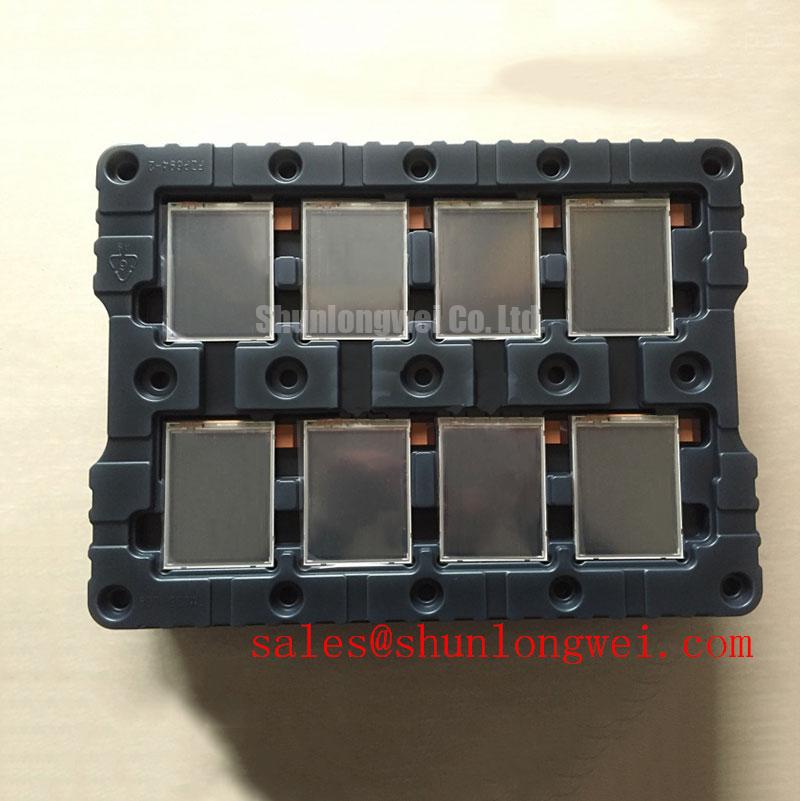
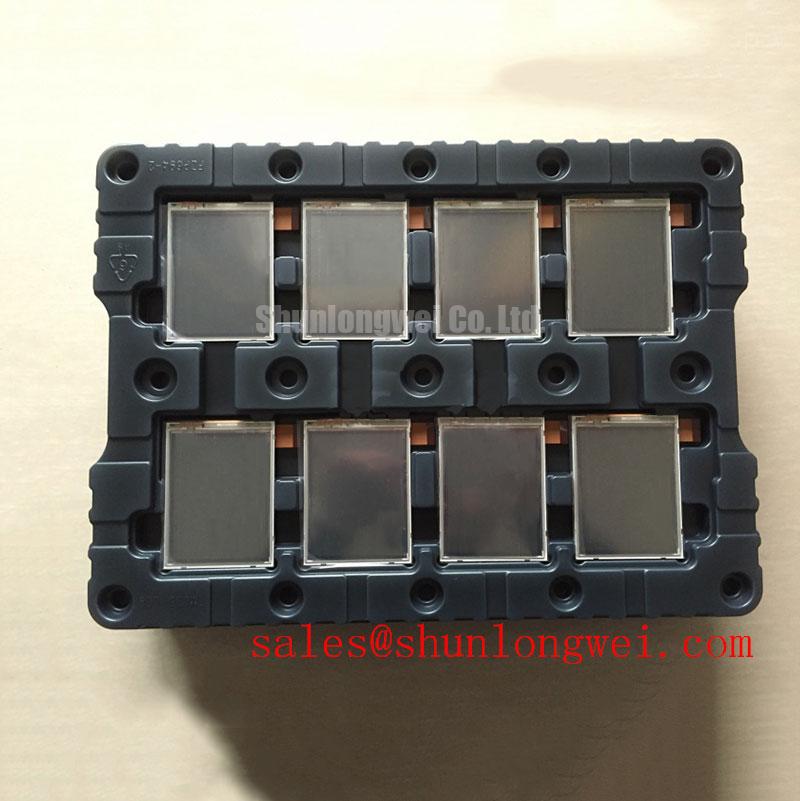
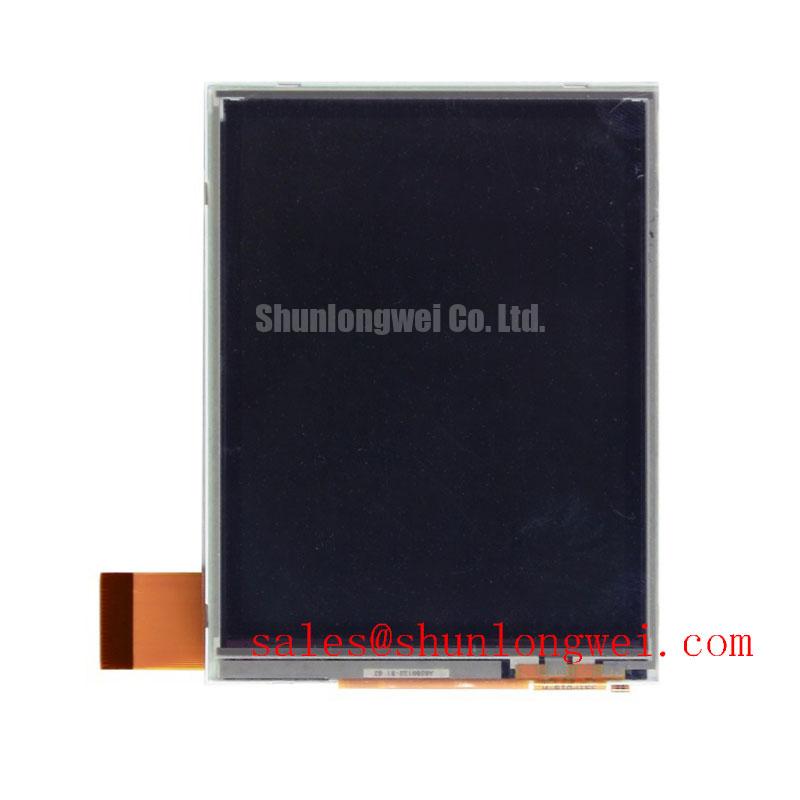
Technical Analysis of Core Features
The engineering value of the NL2432HC22-41K is centered on its adaptability and durability. The transflective display technology is a key differentiator for devices intended for mobile use. It operates in two modes: in low-light environments, the white LED backlight provides illumination for a clear image with a 150:1 transmissive contrast ratio. In high-ambient light, the reflective properties of the screen use the external light to illuminate the display, achieving a 15:1 reflective contrast ratio and ensuring viewability without the backlight consuming power.
This dual-mode capability is analogous to a hybrid vehicle’s engine. Think of the backlight as the gasoline engine, essential for power in the dark, and the reflective layer as the electric motor, using ambient energy (sunlight) to operate efficiently outdoors. This design not only ensures visibility but also contributes to better power management for battery-operated devices.
Further reinforcing its suitability for demanding applications is the module’s robust operational range. It is specified to function reliably in temperatures from -20°C to 70°C and can withstand a vibration level of 2.0G (19.6 m/s²). This resilience is critical for non-stationary equipment used in field service, logistics, or outdoor public terminals where environmental control is not possible. For more insights on building durable systems, explore our guide to vibration and shock resistance for industrial displays.
Optimized Application Scenarios
The specific feature set of this module makes it a strong fit for several industrial and commercial applications:
- Handheld Diagnostic and Test Equipment: The combination of sunlight readability and a wide temperature range ensures field technicians can operate the device effectively anywhere, from a dark server room to a sunlit construction site.
- Portable Medical Devices: In applications like portable patient monitors or infusion pumps, the NL2432HC22-41K’s clear display under bright hospital lights and its integrated resistive touch interface provide a reliable HMI for critical data entry and monitoring.
- Outdoor Kiosks and Payment Terminals: The transflective screen is essential for user visibility in outdoor settings, while the resistive touch input allows for interaction with gloved hands.
- Industrial Control Panels: Its compact 3.5-inch size is ideal for integration into space-constrained machine control panels in manufacturing facilities that may not be climate-controlled. Effective thermal management for industrial display reliability is a key design consideration in these environments.
This module’s blend of optical versatility and mechanical robustness makes it an optimal display choice for reliable, portable, and all-weather human-machine interfaces.
Key Specifications of the NL2432HC22-41K
| Display & Optical Characteristics | |
|---|---|
| Manufacturer | NEC (Tianma) |
| Screen Size | 3.5 inches |
| Resolution | 240(RGB) x 320 (QVGA) |
| Display Technology | a-Si TFT-LCD, TN, Normally White, Transflective |
| Brightness | 200 cd/m² (typ.) |
| Contrast Ratio | 150:1 (Transmissive) / 15:1 (Reflective) (typ.) |
| Viewing Angle (CR≥5) | 30/30/30/35 (L/R/U/D) (typ.) |
| Response Time | 7/23 ms (Tr/Td) (typ.) |
| Electrical & Interface | |
| Signal Interface | CMOS (1 channel, 6-bit) + SPI |
| Logic Voltage (VCC) | 3.0V (typ.) |
| Backlight System | WLED, Edge light type |
| Touchscreen | Integrated 4-wire Resistive Touch |
| Mechanical & Environmental | |
| Outline Dimensions | 63.5 x 85.0 x 4.2 mm (W x H x D) (typ.) |
| Active Area | 53.64 x 71.52 mm (W x H) |
| Weight | 43.0g (typ.) |
| Operating Temperature | -20°C to 70°C |
| Storage Temperature | -30°C to 70°C |
Engineer FAQ
- Is the NL2432HC22-41K readable in direct sunlight?
- Yes. Its transflective technology is specifically designed for sunlight readability. It uses bright ambient light to illuminate the screen, ensuring clear visibility outdoors while reducing power consumption from the backlight.
- What are the main considerations for the 4-wire resistive touch interface?
- A 4-wire resistive touch panel requires a dedicated controller to interpret the analog voltage readings from touch inputs. When designing the enclosure, ensure that the bezel does not apply uneven pressure to the touch surface to prevent false activations. The surface has a 3H hard coating for durability against repeated use.
- How should the CMOS/SPI interface be handled in a design?
- The NL2432HC22-41K uses a parallel 6-bit RGB CMOS interface for display data and a separate SPI for initializing internal registers. This is a common setup for displays of this type. Engineers should ensure their host processor has a compatible parallel display interface or uses an appropriate bridge chip. Careful attention to the pinout in the datasheet is essential for correct wiring.
- Does this module require an external backlight driver?
- Yes, the module contains the WLEDs for the backlight but does not include the driver circuit. An external constant-current LED driver is required to power the backlight and control its brightness. The datasheet specifies the required forward voltage and current for the LED string.
Enabling Robust and Versatile HMI Design
The NL2432HC22-41K provides a technically sound foundation for developing reliable portable devices. By delivering a clear, interactive display that performs consistently across extreme temperatures and unpredictable lighting, it allows engineers to focus on application-level innovation. This module directly addresses the core challenges of visibility and durability inherent in mobile industrial and medical HMI design. To understand more about the technologies that go into such components, you can explore the fundamentals of LCD core technology.