Optrex DMF50260NFU-FW-5 FSTN Graphic LCD Display: Technical Overview and Integration Guide
Optrex DMF50260NFU-FW-5 FSTN 240×64 Graphic LCD Display
Introduction and Core Highlights
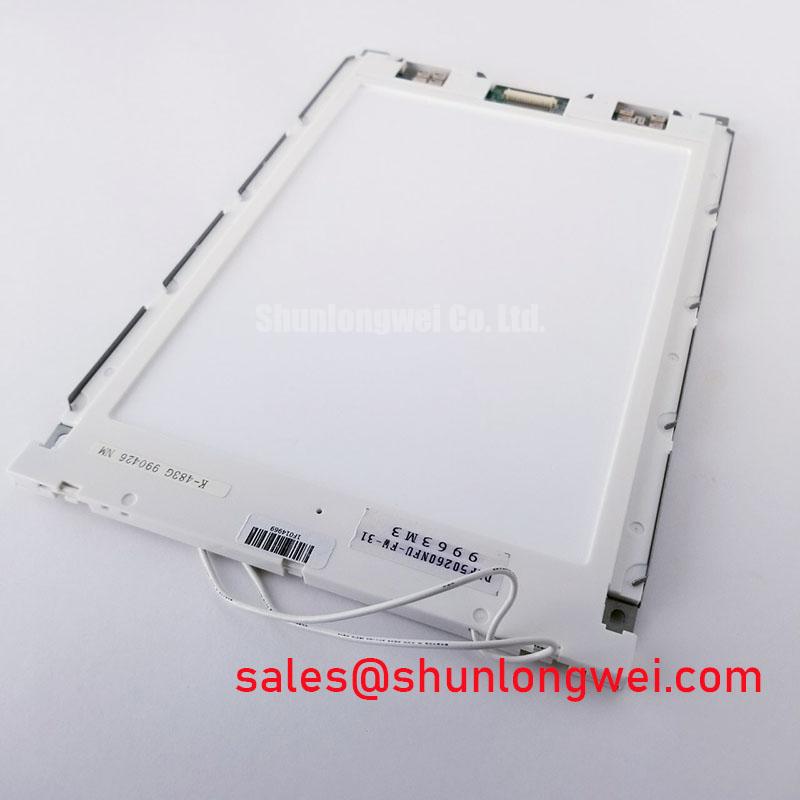
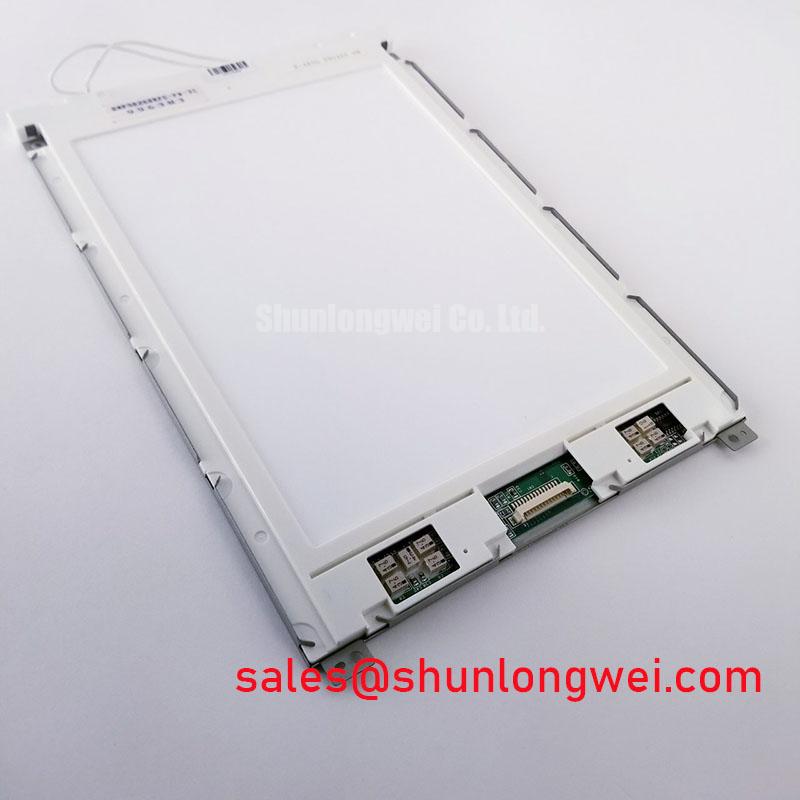
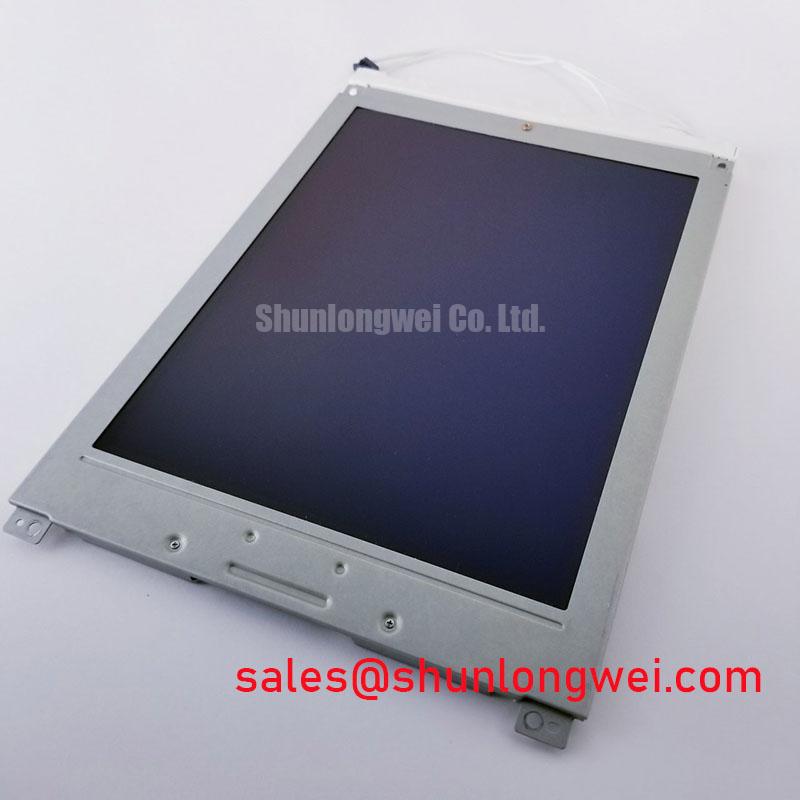
The Optrex DMF50260NFU-FW-5 is a monochrome, transmissive FSTN graphic LCD module. It provides clear, high-contrast visualization for legacy industrial control systems. Featuring a built-in Toshiba T6963C controller, this module handles display data processing on-board. This layout reduces processing overhead on your main microcontroller. With a resolution of 240×64 pixels, it displays text and graphic metrics clearly under diverse ambient lighting conditions.
Core Specifications: 240×64 Resolution | Integrated T6963C Controller | Parallel 8-bit Interface
- Reduced CPU Overhead: On-board RAM and controller manage pixel states independently.
- Stable Legacy Replacement: Simplifies retrofitting of older industrial HMIs without firmware rewrites.
Download Official DMF50260NFU-FW-5 Datasheet (PDF)
Technical Analysis of Display Architecture
The integration of the T6963C controller directly onto the DMF50260NFU-FW-5 PCB is a key technical benefit. This chip controls the display RAM. It processes character generation and graphic layout locally. The host controller only sends basic byte commands. This architecture frees up processing cycles. Microcontrollers can prioritize sensor polling or safety loops instead of managing display refreshes.
Optical performance relies on the Film-compensated Super-twisted Nematic (FSTN) liquid crystal structure. FSTN uses a compensating film. This layer eliminates the color shifts common in standard STN panels. Legibility remains high across a wide viewing cone. Think of the optical compensation film as polarized sunglasses. It filters out scattered light waves. This ensures only the sharp, high-contrast monochrome image reaches the operator.
Proper electrical integration prevents common system failures. Operators must monitor signal timing to avoid rendering errors. Reviewing industrial LCD failure analysis assists in troubleshooting degradation. System designers must also select suitable industrial LCD dimming methods. Correct dimming keeps the CCFL backlight working efficiently over its operating life.
Optimized Application Scenarios
- Factory HMI Terminals: Fits legacy machinery interfaces requiring direct parallel bus control. Read more about display parameters in our guide on smart factory HMI specifications.
- Medical Diagnostic Panels: FSTN glass ensures error-free reading from steep angles during patient monitoring.
- Calibration Instrumentation: Sharp black-on-white text renders precision measurements cleanly without graphic ghosting.
- Power Distribution Control Blocks: Low-power logic circuits match standby battery backup requirements.
Best Match: The DMF50260NFU-FW-5 is the ideal drop-in display module for legacy industrial terminal replacements requiring T6963C command set compatibility.
Key Specifications Table
| Category | Parameter | Typical Value / Specification |
|---|---|---|
| Physical Dimensions | Resolution | 240 x 64 Pixels |
| Display Mode | FSTN / Transmissive / Positive | |
| Backlight Type | Cold Cathode Fluorescent Lamp (CCFL) | |
| Electrical Properties | Logic Supply Voltage (VDD) | 5.0V (Typical) |
| On-Board Controller | Toshiba T6963C | |
| Host Interface | 8-bit Parallel Bus | |
| Environmental Limits | Operating Temperature | 0°C to +50°C |
| Storage Temperature | -20°C to +60°C |
Engineer FAQ
Q1: How do I interface the DMF50260NFU-FW-5 with a modern 3.3V microcontroller?
A1: The module requires 5V logic inputs. You must use logic-level shifters on the data bus and control lines (RD, WR, CE, C/D) to prevent communication errors or damage to the 3.3V host MCU.
Q2: Can the CCFL backlight be replaced with an LED system?
A2: Direct drop-in LED replacements are not supplied by the manufacturer. However, third-party aftermarket LED strips can fit into the physical cavity if you remove the CCFL tube and adjust the power supply.
Q3: How do I adjust the display contrast on this FSTN module?
A3: Contrast is controlled by applying a negative voltage to the VEE pin. Adjusting a potentiometer between VDD and VEE shifts the liquid crystal drive voltage, matching the contrast to local ambient temperatures.
Professional Summary
The DMF50260NFU-FW-5 graphic LCD module provides a reliable display solution for legacy systems. Integrating the controller directly on the board simplifies HMI layout designs. This module ensures long-term display readability in rugged, low-power industrial environments.