PSS15S51F6 DIPIPM: A Technical Review for Compact Motor Control
“`html
PSS15S51F6 DIPIPM: 600V 15A Intelligent Power Module
Introduction and Core Highlights
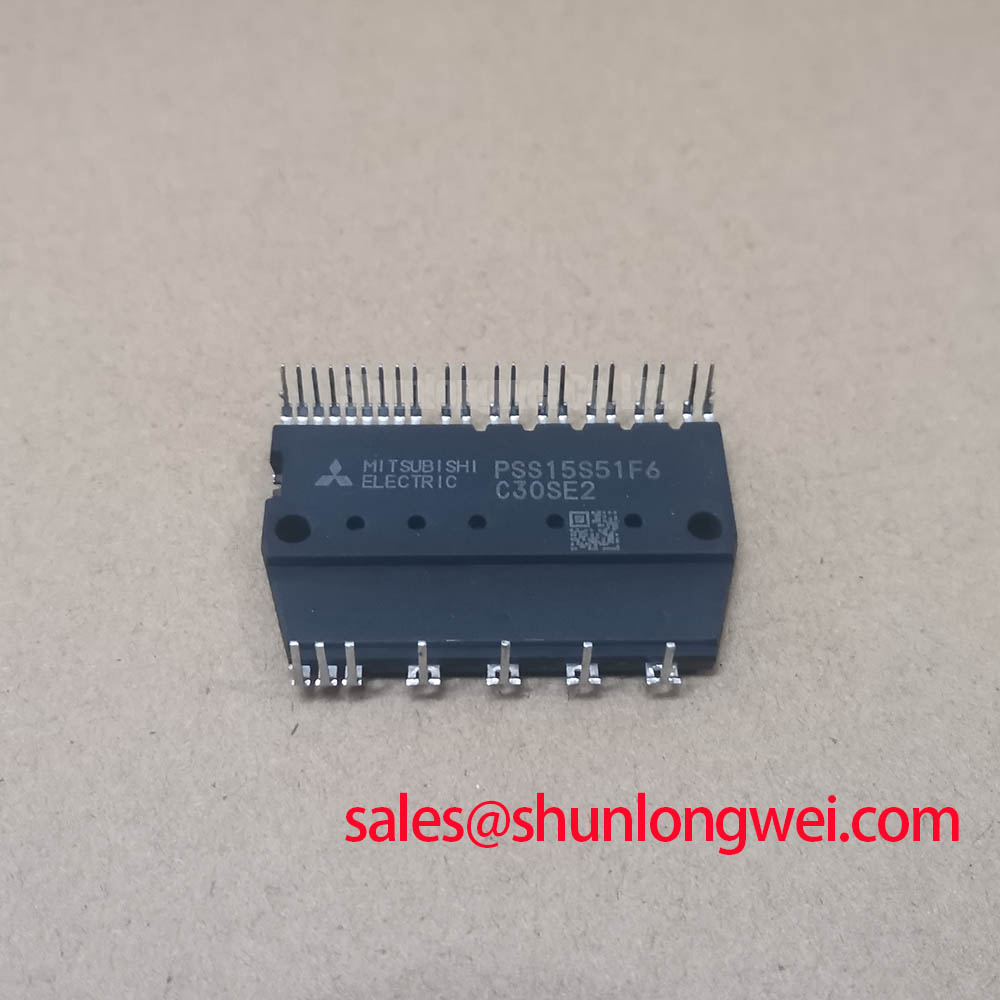
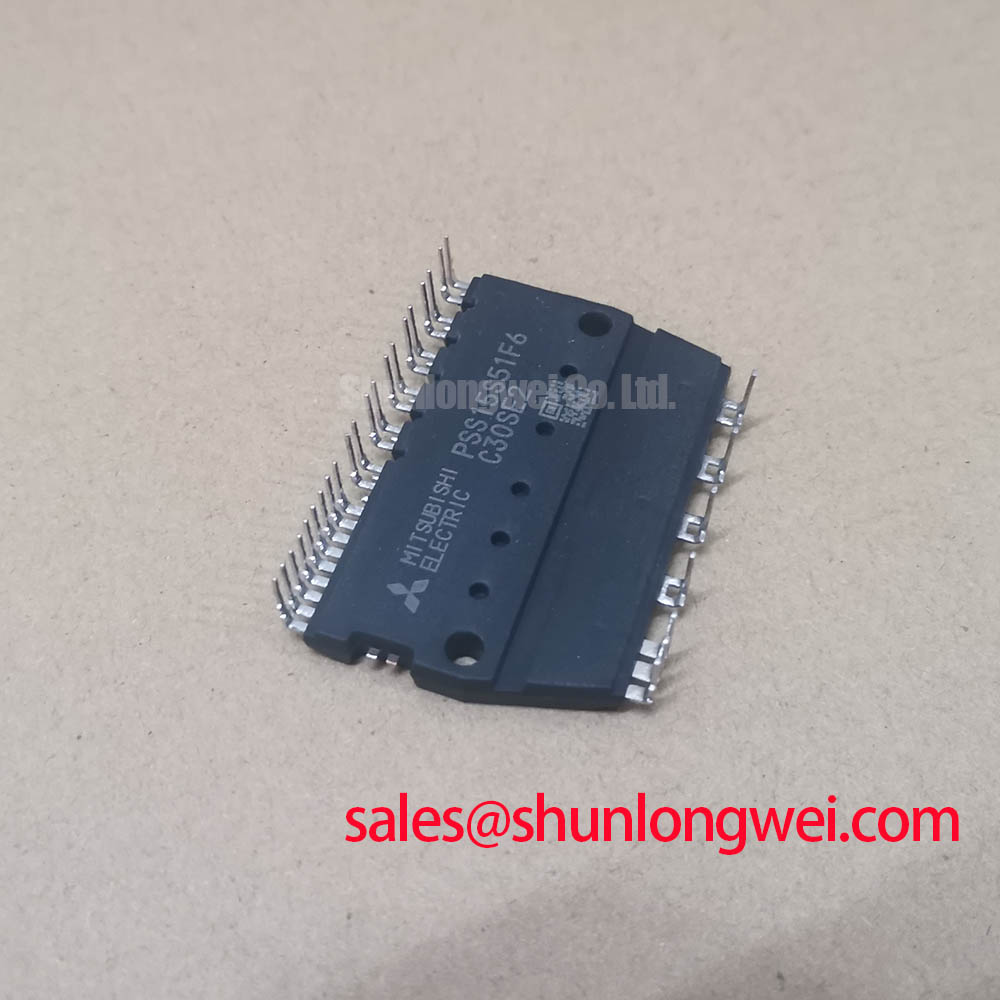
The Mitsubishi PSS15S51F6 is a DIPIPM (Dual-In-line Package Intelligent Power Module) that provides a highly integrated solution for controlling low-power three-phase motors. Its key value is the consolidation of the power stage and control logic, which simplifies system design and enhances reliability by integrating gate drivers, protection circuits, and bootstrap diodes into a single compact package. This integration directly addresses the engineering challenge of reducing PCB complexity and component count in modern motor drives.
- Core Specifications: 600V | 15A | VCE(sat) 1.4V (typ)
- Key Advantages: Integrated gate drivers and protection circuits reduce external component count. Built-in bootstrap circuit simplifies the high-side power supply design.
Download Official Datasheet (PDF)
Technical Analysis of Integrated Features
A primary engineering benefit of the PSS15S51F6 is its high level of integration. The module contains high-voltage and low-voltage ICs (HVIC and LVIC) that provide the complete gate drive function for the internal three-phase IGBT bridge. This removes the need for external gate driver ICs, optocouplers, and associated discrete components. Furthermore, the inclusion of bootstrap diodes with current-limiting resistors for the P-side driver supply simplifies the circuit layout, requiring only external bootstrap capacitors to create a floating supply for the high-side IGBTs.
The module’s built-in protection functions are critical for system robustness. It incorporates under-voltage (UV) lockout for both the main (P-side) and control (N-side) power supplies. Operating a gate driver with under-voltage is like trying to turn a heavy valve with insufficient force; the valve may only partially open, causing flow restriction and stress. Similarly, insufficient gate voltage on an IGBT leads to higher collector-emitter saturation voltage (VCE(sat)), which results in excessive power dissipation and potential thermal damage. The UV protection prevents this by shutting down the device if the supply voltage is inadequate. The module also provides short-circuit (SC) protection and allows for over-temperature (OT) monitoring via an on-chip thermistor.
Optimized Application Scenarios
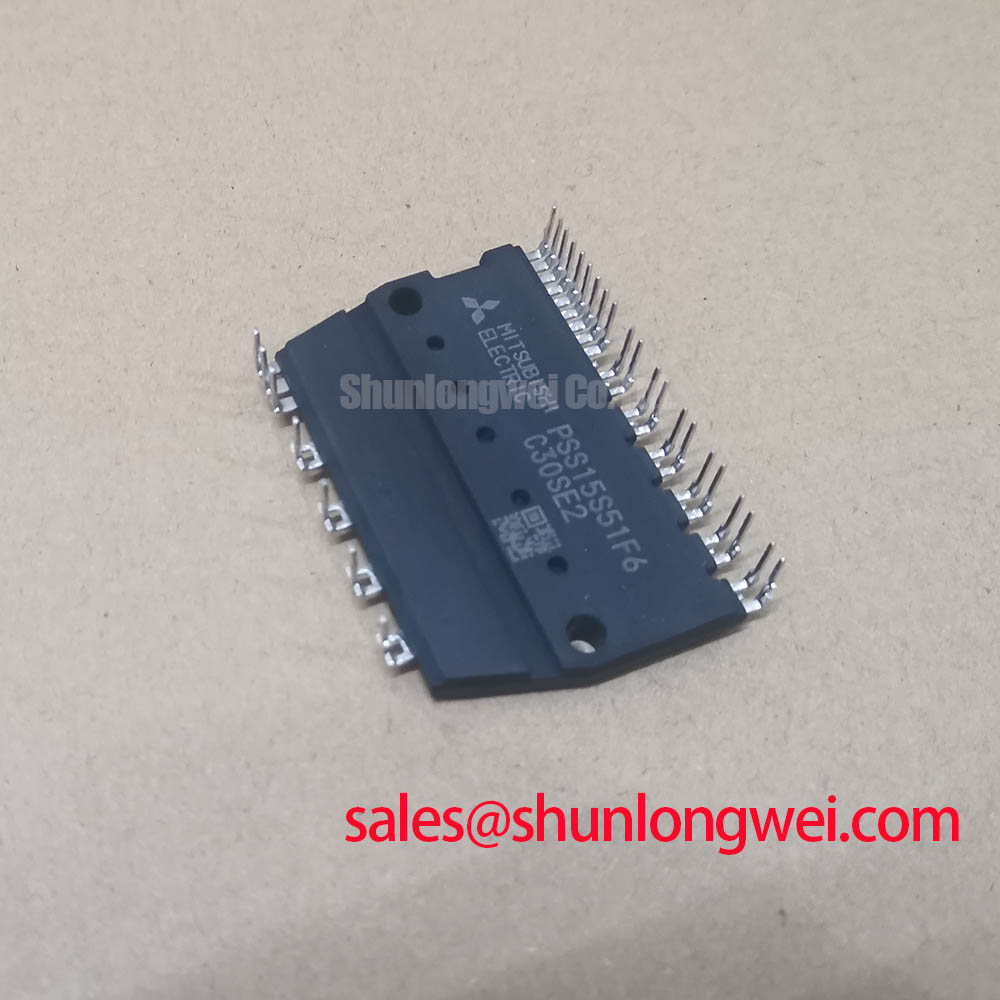
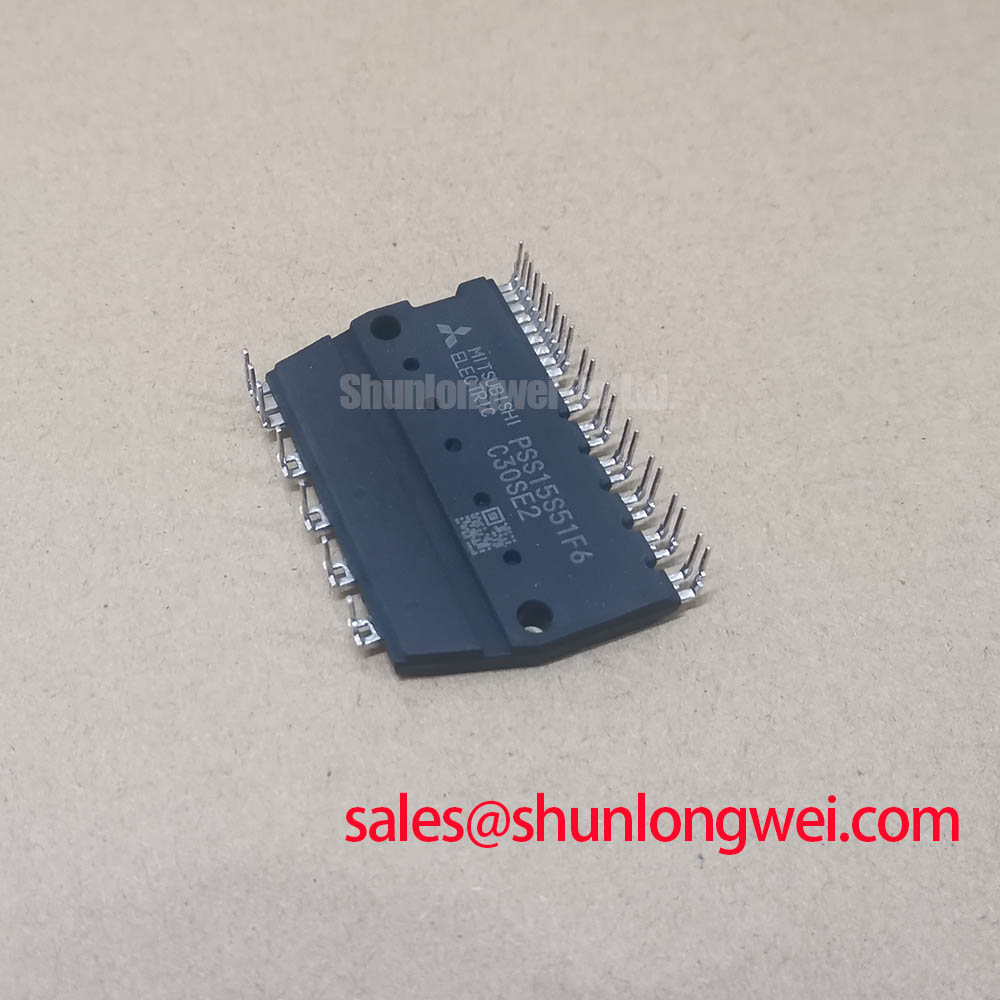
The feature set of this DIPIPM makes it particularly well-suited for specific motor control applications where space, reliability, and ease of design are important factors.
- Home Appliance Motor Control (e.g., Air Conditioners, Washing Machines): The compact Mini DIPIPM package and high integration are ideal for the space-constrained PCBs found in consumer appliances.
- Small Industrial Pumps and Fans: The comprehensive built-in protections (SC, UV, OT) provide the necessary robustness for reliable operation in industrial environments.
- Low-Power Servo Drives: The module’s integrated nature provides a compact power stage that supports the precise control algorithms used in servo systems.
- General Purpose Inverters (<1kW): For small-scale variable frequency drives, this module offers a complete, protected inverter stage, accelerating development time.
This module is an optimal match for low-power motor drive systems requiring a compact footprint and high operational reliability without extensive external circuitry.
Key Specification Parameters
| Absolute Maximum Ratings (Tj = 25°C unless otherwise noted) | |
|---|---|
| Supply Voltage (VCES) | 600 V |
| Collector Current (IC) @ TC=25°C | 15 A |
| Collector Power Dissipation (PC) @ TC=25°C | 35.7 W |
| Junction Temperature (Tj) | -20 to 150 °C |
| Electrical Characteristics (Inverter Part) | |
| Collector-Emitter Saturation Voltage (VCE(sat)) (typ.) at IC=15A, Tj=125°C | 1.4 V |
| Switching-on Energy (Eon) (typ.) at Tj=125°C | 1.3 mJ |
| Switching-off Energy (Eoff) (typ.) at Tj=125°C | 1.3 mJ |
| Control Part Characteristics | |
| Control Supply Voltage (VD) | 13.5 ~ 16.5 V (Recommended 15V) |
| Control Supply Under-Voltage Protection Trip Level (UVt) | 11.0 V (typ.) |
| Short Circuit Protection Trip Level (SC) | 24.5 A (typ.) |
Engineer’s FAQ
- How does the PSS15S51F6 simplify the design of a three-phase inverter?
- The module integrates the complete gate drive circuits, including high-voltage level shifting and bootstrap diodes with current-limiting resistors. It also includes under-voltage and short-circuit protection. This significantly reduces the number of external components, shrinks the required PCB area, and simplifies the overall circuit design compared to a discrete power semiconductor solution.
- What are the key considerations for thermal management with this module?
- The datasheet specifies the thermal resistance from junction to case (Rth(j-c)) for both the IGBT and the FWD. This value is essential for calculating the junction temperature based on the estimated power loss and heatsink performance. The module also includes an internal thermistor (connected to the VTH pin) which can be used to monitor the module’s temperature and implement an over-temperature shutdown in the system’s controller for robust thermal management.
- What is the function of the internal bootstrap circuit?
- The internal bootstrap circuit provides a simple method for generating the floating power supply required for the high-side (P-side) gate drivers. The module contains the necessary bootstrap diodes and current-limiting resistors internally. The designer only needs to add an external capacitor for each phase between the VBn and Un, Vn, or Wn pins respectively, as shown in the application circuit in the datasheet.
- How does the short-circuit protection work?
- The PSS15S51F6 monitors the current through the low-side (N-side) IGBTs. If the current exceeds a predefined trip level (typically 24.5A), the internal control IC detects a short-circuit condition. It then shuts down the N-side IGBTs and outputs a fault signal (Fo) to the microcontroller, enabling a safe system shutdown.
Enabling Compact and Reliable Motor Control
The PSS15S51F6 DIPIPM offers a practical solution for engineers tasked with developing efficient and compact motor drives. By integrating the core power switching and control functions into one verified component, it reduces design complexity and enhances system-level reliability through its embedded protection mechanisms. This allows engineering teams to focus more on application-level control strategies rather than discrete power stage design and protection implementation.
“`