PVI PD064VT2: A Technical Review of the 6.4-inch Industrial VGA Display
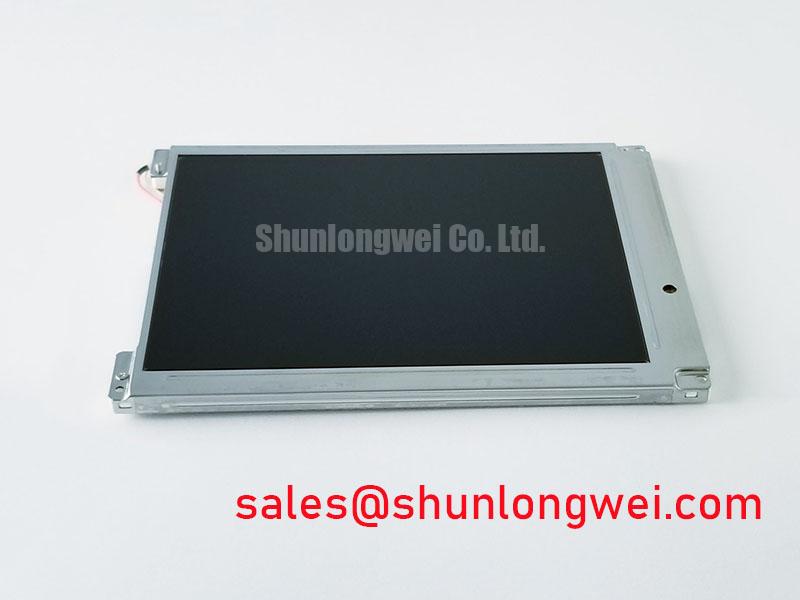
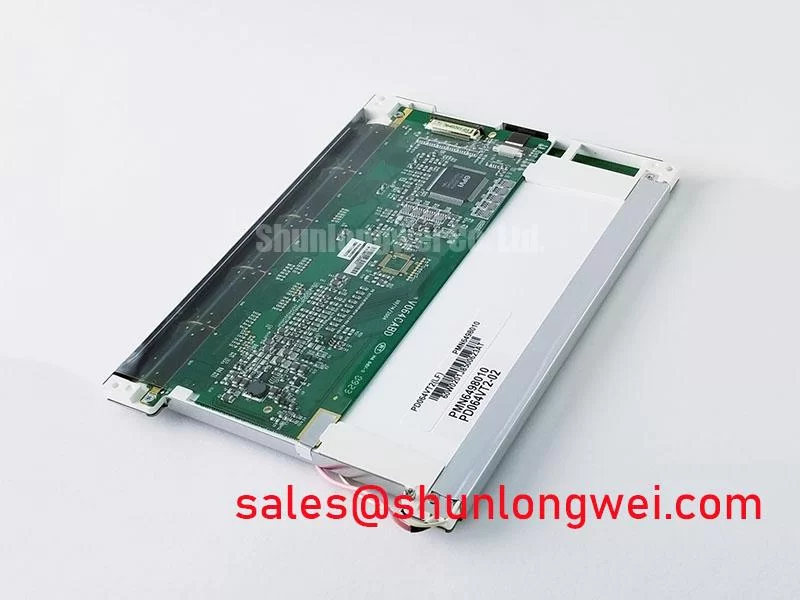
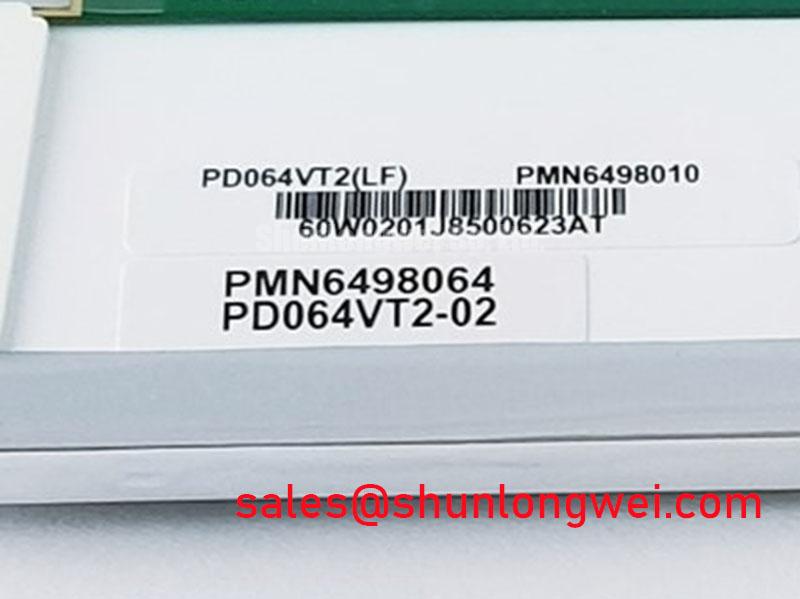
PVI PD064VT2 6.4-inch VGA TFT-LCD Display Module
Introduction and Core Highlights
The PVI PD064VT2 is a 6.4-inch a-Si TFT-LCD module engineered for longevity and consistent performance in industrial applications. Its value proposition is centered on providing a standard VGA resolution display with a parallel TTL interface, which facilitates straightforward integration into a wide range of embedded systems and legacy equipment without requiring complex interface conversion. This makes it a practical choice for systems where reliability and ease of implementation are primary design criteria.
- Core Specifications: 640×480 VGA | 150 cd/m² Brightness | 18-bit TTL Interface.
- Key Engineering Advantages: Simplifies hardware integration with a direct parallel RGB interface, and its CCFL backlight offers proven, long-term operational stability.
- Direct Controller Connection: The module’s TTL interface allows direct connection to the digital RGB outputs of many microcontrollers and system-on-chips, reducing the need for intermediate LVDS transmitter ICs.
Download the Official PD064VT2 Datasheet (PDF)
Technical Analysis for System Integration
The PD064VT2 provides a 640(RGB)×480 pixel format, a standard in industrial HMIs for its ability to render clear text, numerical data, and simple graphical interfaces without demanding significant processing power. The active area of 129.6 x 97.44 mm delivers a pixel density of 125 PPI, ensuring that on-screen elements are sharp and legible from a typical operator viewing distance. Its antiglare surface treatment is a critical feature for usability in environments with variable ambient lighting, minimizing reflections and preserving readability.
A key element for system architects is the module’s 18-bit (262,144 colors) TTL (Transistor-Transistor Logic) signal interface. Think of this interface as a direct, multi-lane highway for color data, where separate lines carry the red, green, and blue signals. This architecture is deterministic and avoids the protocol-level complexity of serialized interfaces. For designers working with legacy systems or cost-sensitive new designs, this direct-drive approach can simplify the hardware and firmware development, enabling a faster time-to-market.
The display is illuminated by a single Cold Cathode Fluorescent Lamp (CCFL) backlight system, delivering a typical brightness of 150 cd/m². While modern displays often use LEDs, CCFL technology is well-understood and has a long history of reliability in industrial settings. It’s important to note that this module requires a separate, external backlight inverter to supply the necessary high voltage for the lamp, a standard consideration in CCFL-based designs. The specified power consumption for the panel logic is typically 170mA at 3.3V.
Optimized Application Scenarios
The specifications of the PD064VT2 make it a strong candidate for several targeted applications:
- Industrial HMI Panels: The VGA resolution and 4:3 aspect ratio are perfectly suited for control interfaces in manufacturing equipment and process automation systems.
- Test and Measurement Equipment: Its straightforward TTL interface allows for easy integration into custom-built instruments like oscilloscopes, spectrum analyzers, and network testers.
- Medical Monitoring Devices: The display provides a clear and reliable platform for presenting patient vitals and waveform data where extreme color fidelity is not a primary requirement.
- Legacy System Repair and Retrofit: As a replacement for end-of-life 6.4″ VGA displays, the PD064VT2 offers a form-factor and interface that can often minimize redesign efforts.
This module is an optimal match for systems requiring a durable VGA display with a proven, easy-to-implement parallel interface for long-lifecycle industrial products.
Key Specifications of the PD064VT2
| Core Display Characteristics | |
|---|---|
| Manufacturer | Prime View International (PVI) |
| Screen Size | 6.4 inch |
| Resolution | 640(RGB)×480 (VGA) |
| Display Mode | TN, Normally White, Transmissive |
| Brightness | 150 cd/m² (Typ.) |
| Contrast Ratio | 400:1 (Typ.) |
| Viewing Angle | 45/45/15/35 (L/R/U/D) (Typ., CR≥10) |
| Interface & Electrical Data | |
| Signal Interface | TTL (1 ch, 6-bit), 30 pins |
| Logic Voltage | 3.3V (Typ.) |
| Backlight System | 1 pcs CCFL, inverter not included |
| Mechanical & Environmental | |
| Outline Dimensions | 159(W) × 117(H) × 6.4(D) mm |
| Panel Weight | 165g (Typ.) |
| Operating Temperature | -10 to 60 °C |
| Storage Temperature | -20 to 70 °C |
Engineer’s FAQ
- 1. Does the PD064VT2 require an external driver for its backlight?
- Yes. The datasheet confirms the module contains a CCFL lighting system but does not include an integrated backlight driver. An external inverter board is required to provide the high voltage necessary to power the CCFL lamp.
- 2. What are the interface pinout basics for the 30-pin TTL connector?
- The 30-pin connector provides an 18-bit parallel interface. This includes 6 pins for each primary color (R0-R5, G0-G5, B0-B5), along with clock (CLK), horizontal sync (HSYNC), vertical sync (VSYNC), and data enable (DE) signals, plus power and ground connections.
- 3. How should the PD064VT2 be mounted for mechanical stability in an industrial enclosure?
- The datasheet provides mechanical drawings showing mounting holes on the module’s metal frame. For vibration and shock resistance, it is critical to use all specified mounting points, securing the frame directly to the chassis or a sub-panel with the appropriate screws and standoffs to prevent stress on the glass and connections.
- 4. What is the expected optical response time?
- The typical response time is specified as 15ms (Tr) and 25ms (Td). This is sufficient for displaying the status changes and graphical user interfaces found in most industrial control applications where high-speed video is not the primary function.
The PVI PD064VT2 offers a well-documented and reliable foundation for visual interfaces in demanding industrial environments. Its adherence to standard resolution and interface protocols allows engineers to focus on system functionality rather than display integration complexities, supporting the development of robust and serviceable long-life products.