PVI PD104VT1N1: A Robust 10.4-Inch VGA Display for Industrial Applications
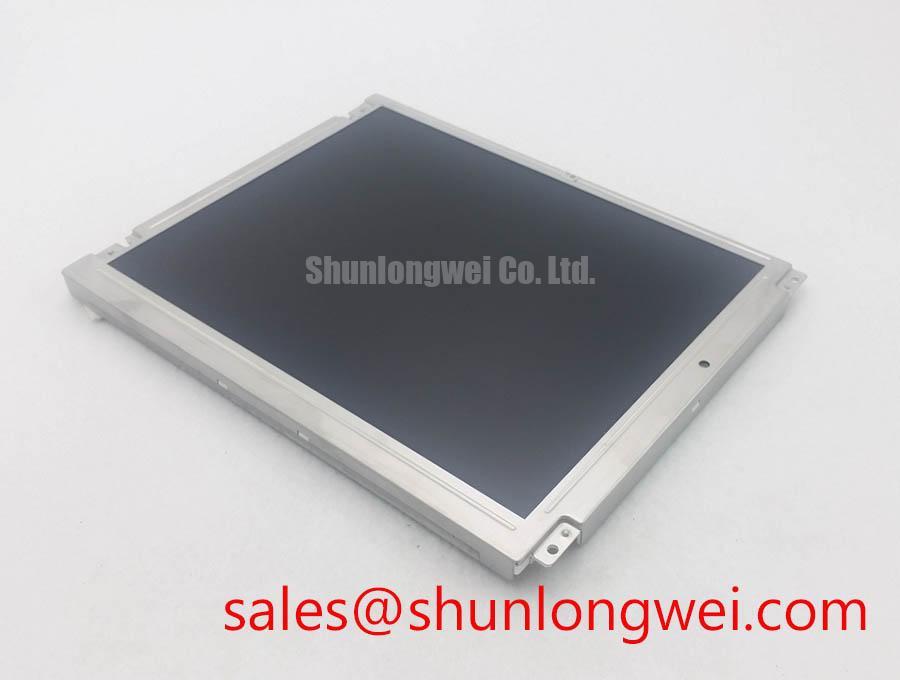
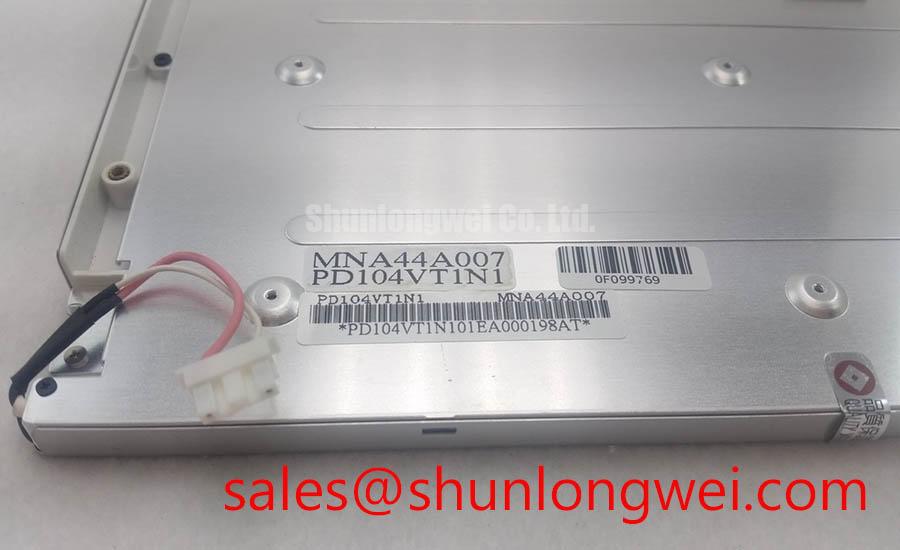
PVI PD104VT1N1 10.4-inch VGA Industrial TFT-LCD Module
Introduction and Core Highlights
The PVI PD104VT1N1 is a 10.4-inch a-Si TFT-LCD module delivering consistent, reliable visual performance for industrial human-machine interfaces (HMIs) and control systems. This display’s core value proposition is its durable construction and stable optical characteristics, engineered for longevity in demanding operational environments. It provides a straightforward integration path for systems requiring a standard VGA interface and robust performance without unnecessary complexity. For engineers maintaining or developing systems with specific display requirements, the PD104VT1N1 offers a proven solution.
- Core Specifications: 640×480 VGA | 330 cd/m² Brightness | 400:1 Contrast Ratio
- Key Advantages: Wide operating temperature range supports deployment in varied industrial settings. Long-life CCFL backlight reduces maintenance cycles and total cost of ownership.
Download The Official PD104VT1N1 Datasheet (PDF)
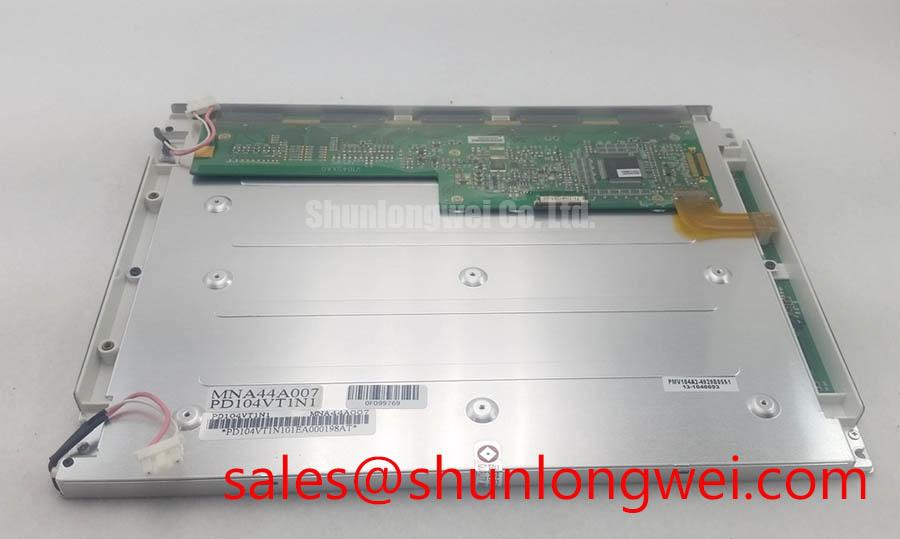
Technical Analysis for System Integration
The PD104VT1N1 is specified to operate in ambient temperatures from -10°C to 60°C, with a storage range of -20°C to 70°C. This operational tolerance is critical for non-climate-controlled environments, such as factory floors or enclosed kiosks, ensuring the display remains functional across varying thermal loads. Think of the operating temperature range as the safe working window for the component; a wider window, like this one, allows for more flexible system design and reduces the need for complex and costly thermal management solutions like active cooling.
Optical stability is another key engineering attribute. The panel provides a typical brightness of 330 cd/m² and a contrast ratio of 400:1. This combination ensures clear readability for operators who need to interpret data quickly and accurately under typical indoor industrial lighting. The antiglare surface treatment further mitigates reflections from overhead light sources, reducing eye strain and potential for misinterpretation of critical information. The use of a dual CCFL backlight system with a 30,000-hour rated lifespan provides a consistent and long-lasting illumination source, crucial for systems intended for continuous or long-term operation.
Optimized Application Scenarios
The PD104VT1N1’s feature set makes it well-suited for specific industrial and commercial applications:
- Industrial HMI Panels: The robust operating temperature and standard VGA resolution allow for direct integration into machine controllers and automation systems.
- Process Control Systems: Its reliable CCFL backlight and stable contrast ensure that critical process data is always clearly visible to operators.
- Test and Measurement Equipment: The 30-pin parallel RGB interface provides a common connection standard for integration into specialized diagnostic tools.
- Legacy System Maintenance: The display serves as a form-fit-function replacement for older 10.4″ VGA panels, extending the life of existing capital equipment without requiring a complete system redesign.
This module is best matched for systems requiring a durable VGA display with proven long-term reliability and straightforward electrical integration.
Key Specifications of the PD104VT1N1
| Category | Parameter | Specification |
|---|---|---|
| Display Characteristics | Panel Size | 10.4 inches |
| Resolution | 640(RGB) x 480 [VGA] | |
| Active Area | 211.2(W) × 158.4(H) mm | |
| Display Mode | TN, Normally White, Transmissive | |
| Surface | Antiglare | |
| Optical Characteristics | Luminance | 330 cd/m² (Typ.) |
| Contrast Ratio | 400:1 (Typ.) | |
| Viewing Angle (L/R/U/D) | 45/45/15/40 (Typ.) (CR≥10) | |
| Response Time | 15/25 ms (Typ.) (Tr/Td) | |
| Electrical & Backlight | Logic Voltage (VCC) | 3.3V (Typ.) |
| Signal Interface | Parallel RGB (1 ch, 6-bit), 30 pins | |
| Backlight System | 2 pcs CCFL, 30,000 hours (Typ.) | |
| Mechanical & Environmental | Operating Temperature | -10 ~ 60 °C |
| Storage Temperature | -20 ~ 70 °C |
All specifications are based on the manufacturer’s official datasheet and are subject to typical values. For guaranteed minimum/maximum values, consult the full datasheet.
Engineer’s FAQ
What are the typical viewing angles for the PD104VT1N1?
Based on the datasheet with a contrast ratio of 10 or greater, the typical viewing angles are 45 degrees from the left and right, 15 degrees from the top (up), and 40 degrees from the bottom (down). This is characteristic of TN panel technology and should be considered when designing the final product’s enclosure and operator orientation.
Does this module include a backlight driver or inverter?
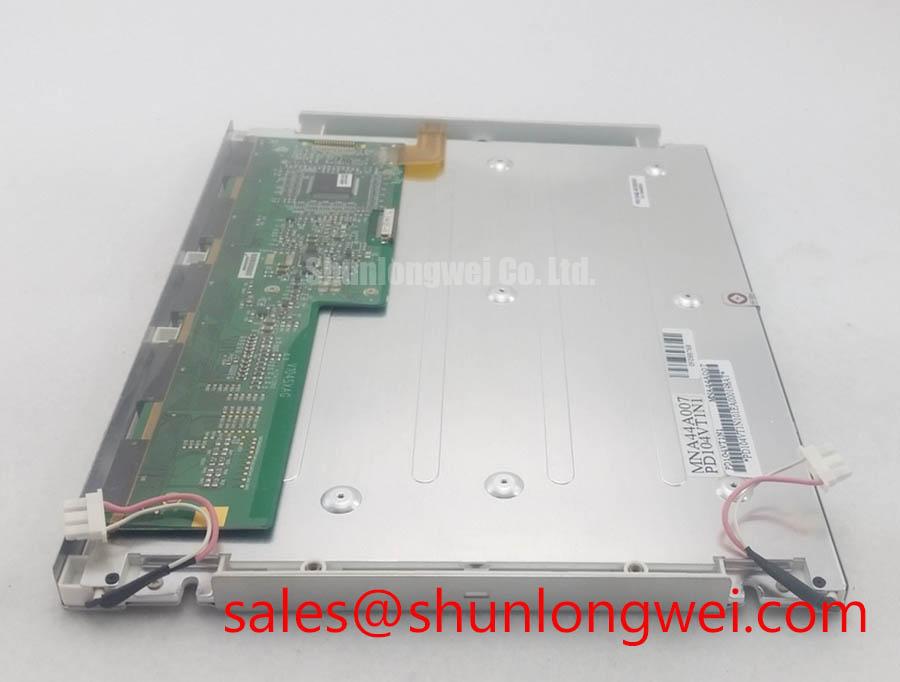
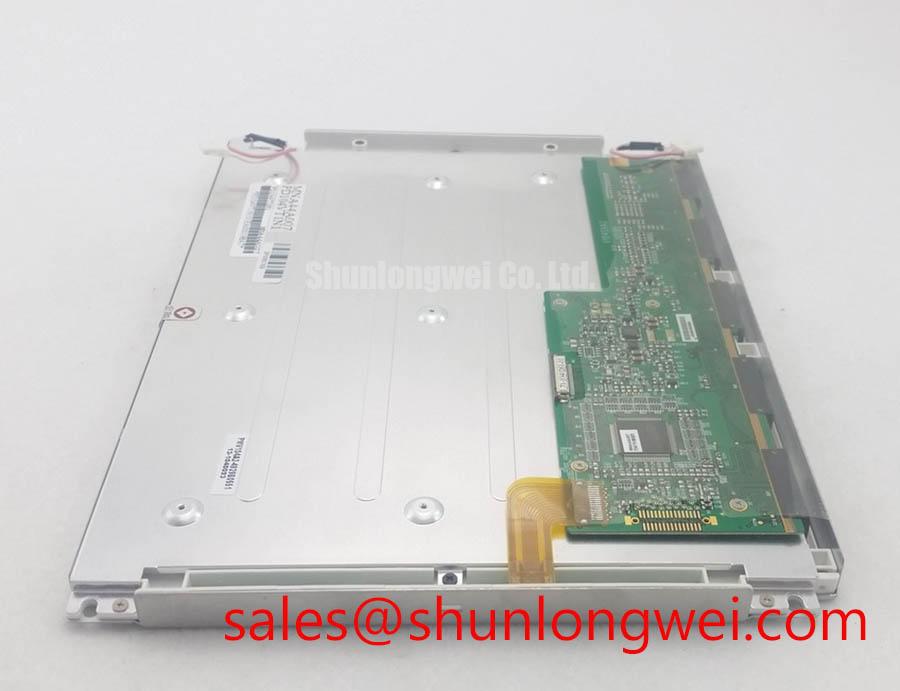
No, the PD104VT1N1 integrates two CCFL backlight lamps but does not include an onboard driver or inverter. An external inverter board compatible with the CCFL’s voltage and current requirements must be supplied by the system designer. For more on display technologies, see our articles on LCD core technology.
What is the required logic voltage and interface type?
The module requires a typical logic voltage (VCC) of 3.3V. It uses a 30-pin connector for a parallel RGB (1 channel, 6-bit) signal interface to transmit display data. This is a common interface for industrial displays of this vintage, simplifying integration with many single-board computers and display controllers.
How should this panel be mounted in an enclosure?
The datasheet specifies the panel’s outline dimensions as 243(W) × 185.1(H) × 13(D) mm. It is designed with mounting holes on the side flanges. An enclosure bezel opening of at least 215.2 mm × 162.4 mm is required to expose the full active display area. Ensure the mechanical design provides adequate support to handle potential vibration and shock in the target environment.
Design and Lifecycle Considerations
The PVI PD104VT1N1 provides a stable and well-documented display platform for industrial applications. Its combination of a standard VGA interface, wide operational temperature range, and a long-life backlight system enables engineers to design products with predictable performance and extended operational lifecycles. This focus on durability and reliability makes it a solid choice for systems where uptime is a primary consideration.