Sanken DF60AA160: Robust 1600V Rectification for Industrial Power Systems
DF60AA160 Sanken 1600V 60A Three-Phase Diode Module
High-Voltage Rectification with Robust Isolation for Industrial Power Systems
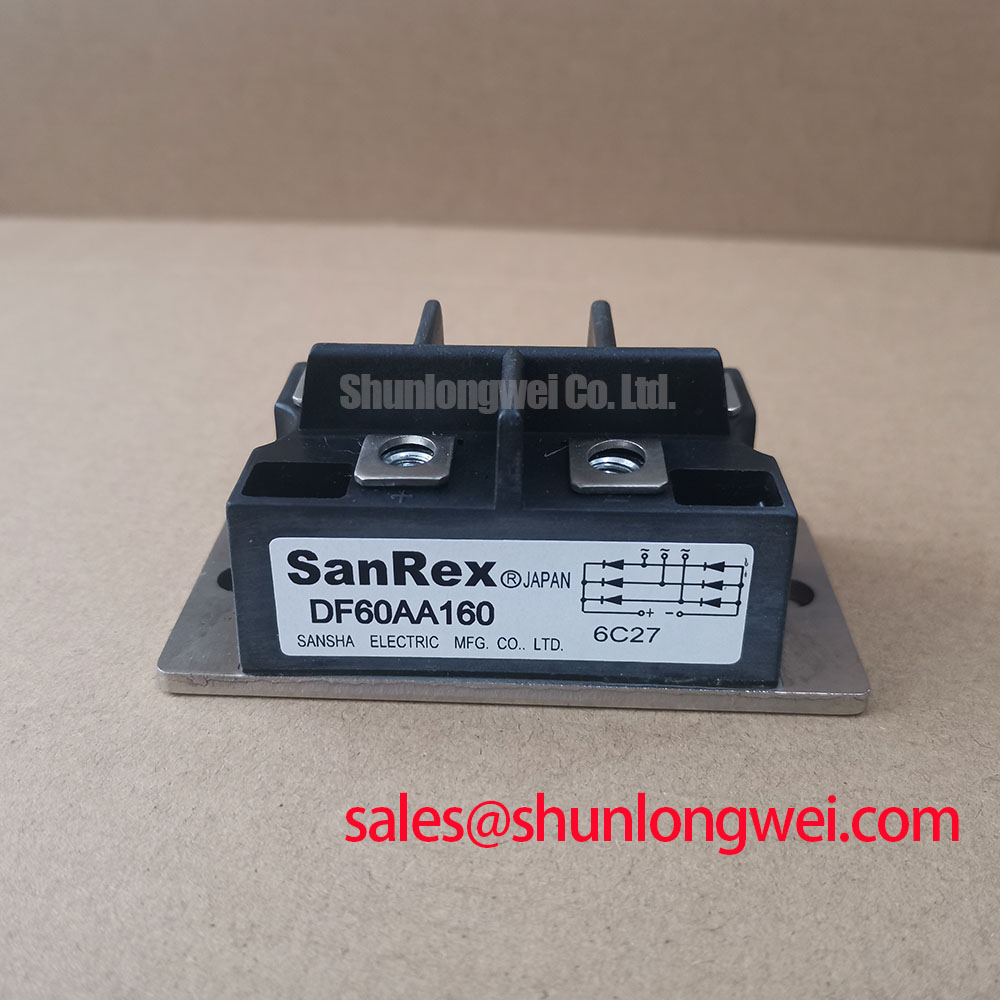
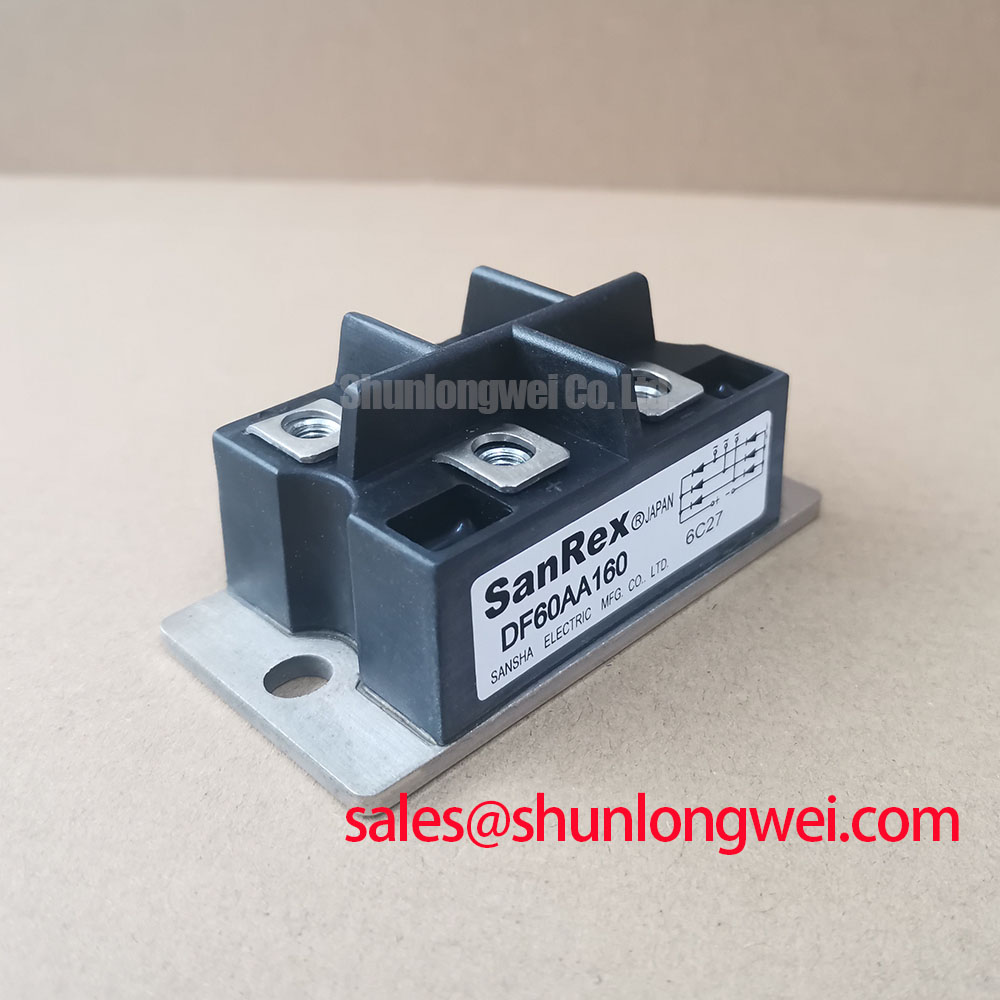
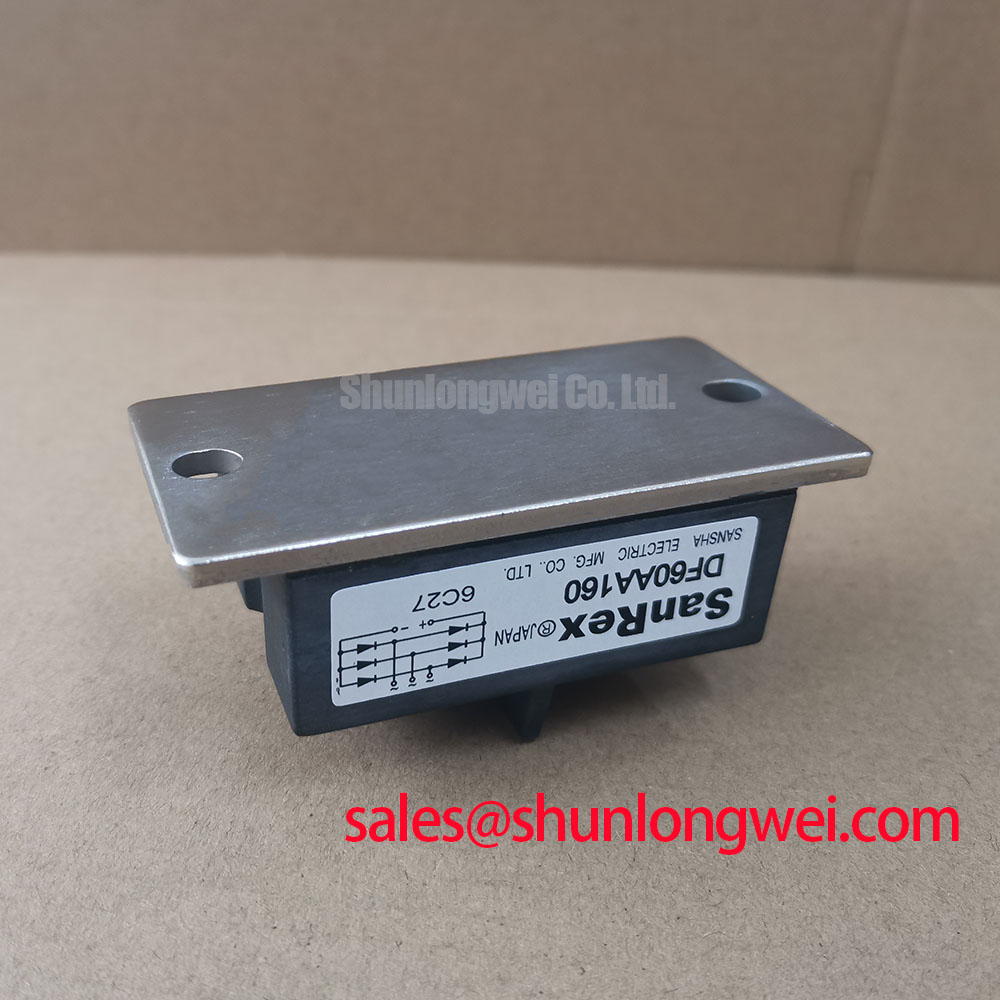
The Sanken DF60AA160 is a three-phase diode bridge module engineered for high-reliability AC-to-DC power conversion. Its primary value proposition is the combination of a high 1600V repetitive peak reverse voltage and 2500V isolation, providing substantial safety margins for industrial systems connected to volatile main lines. This module is well-suited for rectifying standard 380V and 480V three-phase AC power, offering a dependable foundation for high-power equipment.
- Core Specifications: 1600V | 60A | V_iso 2500V
- Key Advantages: Substantial voltage overhead for transient protection, simplified thermal management through an isolated baseplate.
Download the Official DF60AA160 Datasheet (PDF)
Technical Analysis for System Integration
The standout feature of the DF60AA160 is its 1600V repetitive peak reverse voltage (V_RRM). For engineers designing systems for 380V or 480V AC mains, this high V_RRM provides a critical safety margin. It allows the rectifier to withstand voltage spikes and line transients common in industrial environments without risking failure, a key factor in long-term system reliability. This robust voltage rating simplifies the design of protective circuits, contributing to a more resilient front-end power stage.
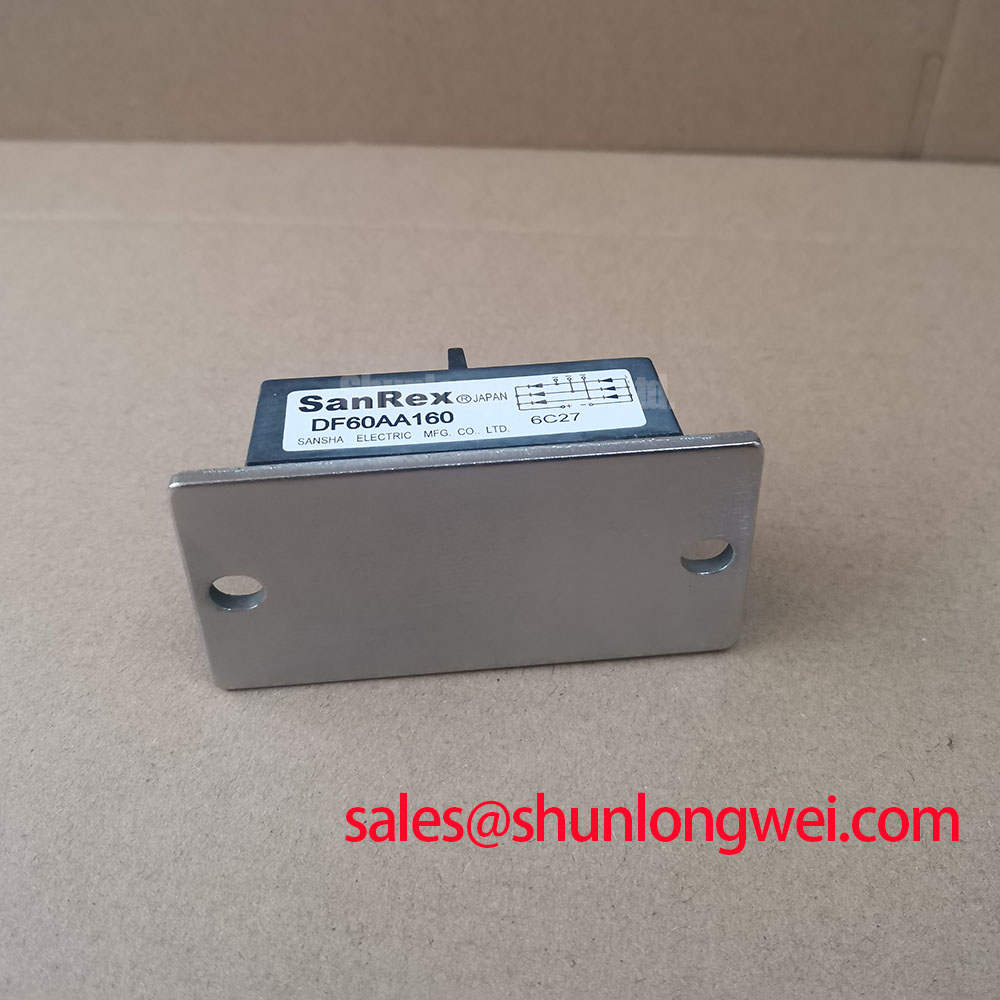
Another crucial parameter specified in the datasheet is the 2500V AC isolation voltage (V_iso) between the terminals and the mounting baseplate for 60 seconds. This electrical isolation is fundamental for safety and system design flexibility. You can think of isolation voltage as the strength of the electrical barrier between the live circuit and the module’s metal baseplate. A 2500V rating ensures this barrier can withstand significant voltage faults, preventing hazardous voltages from reaching the equipment chassis and simplifying the process of grounding and heatsink attachment. For more information on the importance of robust module construction, see our guide on isolated baseplates.
Efficient thermal management is enabled by a junction-to-case thermal resistance (R_th(j-c)) of 0.25°C/W per arm. This value indicates how effectively heat generated within the silicon diode can be transferred to the module’s case. A lower thermal resistance means more efficient heat evacuation, allowing the device to run cooler under a continuous 60A load. This directly impacts the required heatsink size and the overall thermal stability of the power conversion system.
Optimized Application Scenarios
The DF60AA160 is specified for applications where robust, high-voltage rectification is paramount.
- Variable Frequency Drives (VFDs): Its voltage and current ratings are ideal for the input rectifier stage of motor drives operating on 400V-class industrial networks.
- Industrial Power Supplies: The high V_RRM provides the necessary overhead for rectifying industrial mains voltage reliably in switched-mode power supplies (SMPS).
- Welding Power Supplies: The high surge forward current capability (I_FSM) of up to 650A allows it to handle the demanding, pulsed loads characteristic of welding applications.
- Battery Charging Systems: Serves as a reliable front-end rectifier in high-voltage industrial battery chargers for forklifts, AGVs, and energy storage systems.
Its robust voltage margin and high isolation make it a prime choice for industrial AC-DC front-end rectification.
Key Specifications of the DF60AA160
| Absolute Maximum Ratings (T_c = 25°C unless otherwise specified) | |
|---|---|
| Repetitive Peak Reverse Voltage (V_RRM) | 1600 V |
| Average Forward Current (I_F(AV)) | 60 A |
| Surge Forward Current (I_FSM) | 650 A (60Hz, 1 cycle) |
| Operating Junction Temperature (T_j) | -40 to +150 °C |
| Electrical & Thermal Characteristics | |
| Maximum Forward Voltage (V_FM) | 1.25 V (at 60A) |
| Repetitive Peak Reverse Current (I_RRM) | 10 mA (at 1600V) |
| Isolation Voltage (V_iso) | 2500 V (AC, 1 minute) |
| Thermal Resistance (R_th(j-c)) | 0.25 °C/W (per arm) |
Engineer’s FAQ
Is the DF60AA160 suitable for a 480V three-phase AC input?
Yes. A 480V AC line has a peak voltage of approximately 679V. The 1600V V_RRM rating of the DF60AA160 provides more than double this value, offering a substantial safety margin against voltage transients and ensuring reliable operation.
What are the recommended mounting torques?
According to the Sanken datasheet, the recommended torque for the main terminals (M5 screw) is 1.5 to 2.5 N·m. For mounting the module to a heatsink (M5 screw), the recommended torque is 2.5 to 3.5 N·m. Applying proper torque is crucial for ensuring good thermal and electrical contact.
How should I select a heatsink for the DF60AA160?
Heatsink selection depends on total power dissipation (P_total), ambient temperature (T_a), and maximum junction temperature (T_j). The first step is to calculate P_total, which is primarily due to conduction loss (approximately V_FM * I_F(AV) per diode). Then, use the thermal resistance values to ensure T_j remains below its 150°C maximum rating. Exploring power semiconductor thermal design principles can provide further guidance.
What is the purpose of the isolated baseplate?
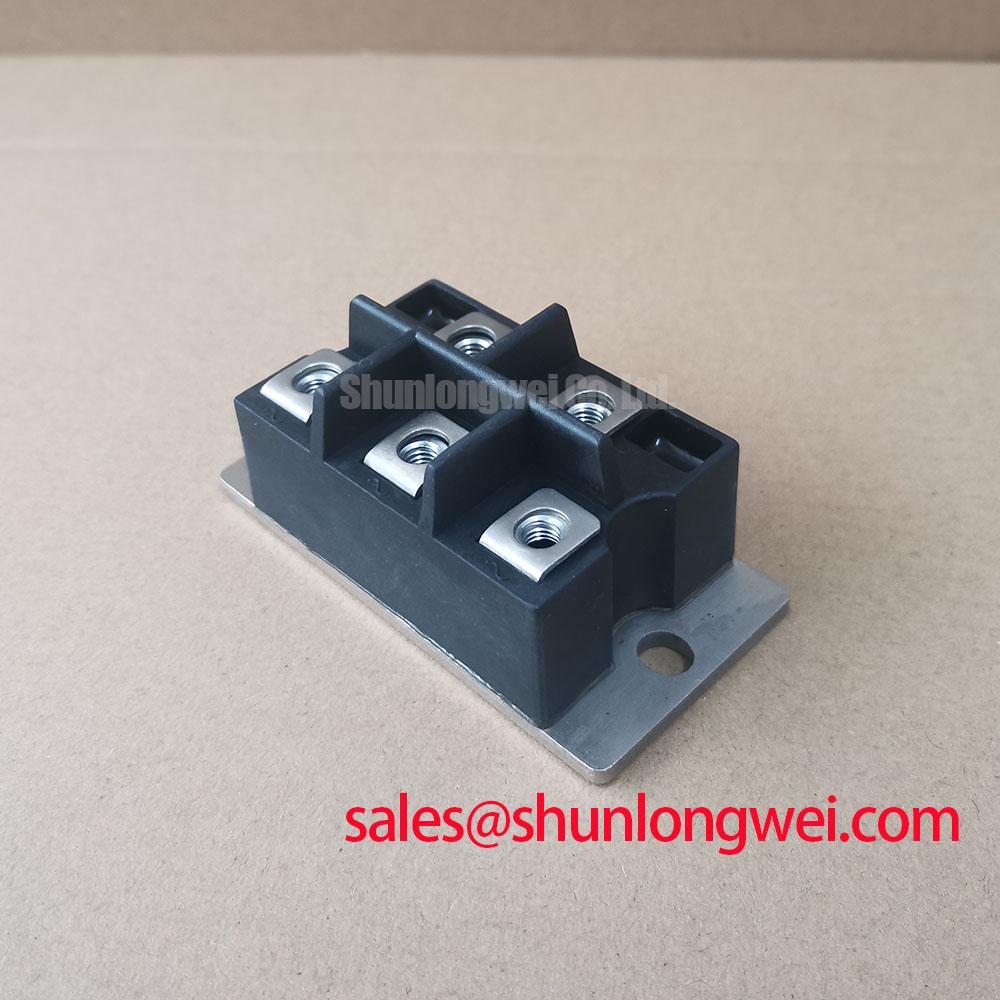
The isolated baseplate simplifies thermal design by allowing the module to be mounted directly to a grounded chassis or heatsink without needing an additional insulating layer. This enhances safety, reduces assembly complexity, and ensures reliable heat transfer. Read more about its importance in our article on integrated power modules.
Enabling Robust Power Conversion Designs
The Sanken DF60AA160 provides a direct and reliable solution for three-phase rectification in demanding environments. By integrating high voltage endurance with effective thermal characteristics and certified isolation, this diode module allows engineers to build robust and safe front-end power stages for a wide range of industrial equipment.