Sharp LM057QC1T01 5.7″ QVGA Industrial CSTN LCD Display: A Reliable Solution for Legacy HMIs
Sharp LM057QC1T01 5.7″ QVGA Industrial CSTN LCD Display
Introduction and Core Product Highlights
The Sharp LM057QC1T01 is a robust 5.7-inch CSTN-LCD passive matrix display. It is widely recognized as a dependable component for legacy HMIs and industrial control systems from Sharp.
- Core Specifications: 5.7″ Diagonal | 320 x 240 QVGA Resolution | CSTN Color Technology
- Key Engineering Advantages: Simplified parallel timing control and highly durable passive matrix architecture.
If you are looking to address obsolete HMI screens in factory automation units, the LM057QC1T01 provides an exact drop-in replacement. This avoids expensive system-wide re-engineering of the controller hardware.
Request Official LM057QC1T01 Datasheet (PDF)
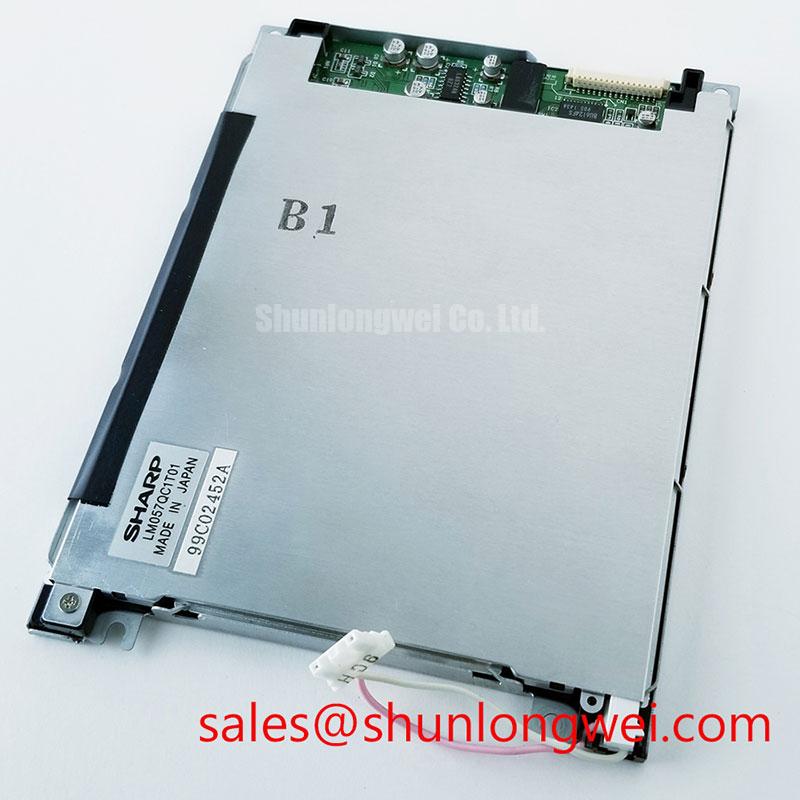

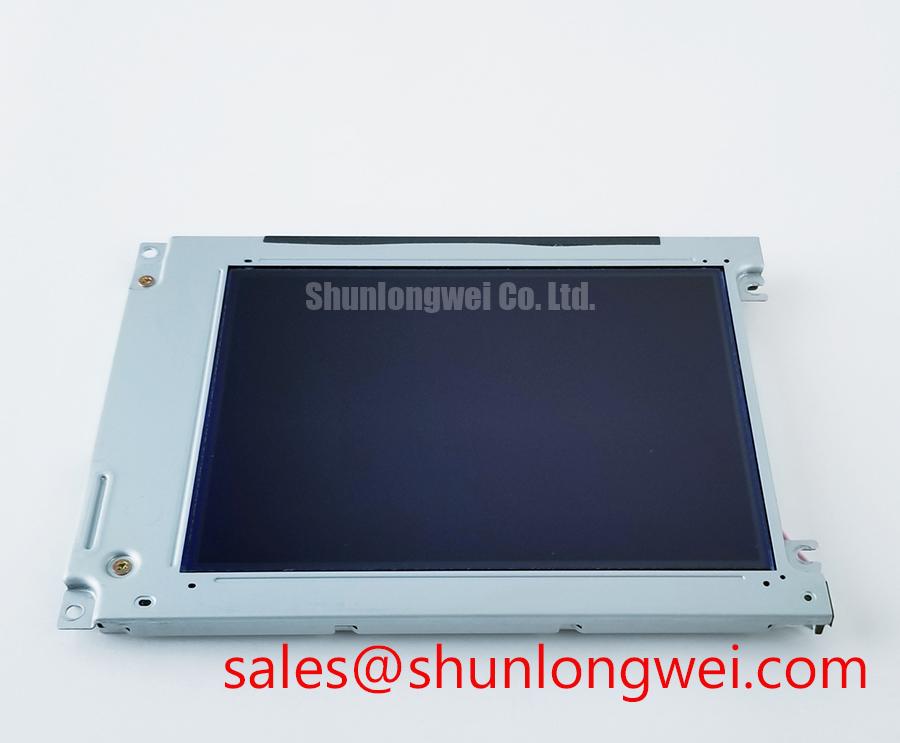


Technical Analysis of the Passive Matrix Architecture
The display utilizes Color Super-Twisted Nematic (CSTN) technology, which relies on a passive matrix design. Passive matrix configurations use a grid of row and column electrodes instead of dedicated thin-film transistors for every sub-pixel. This architecture reduces manufacturing complexity and increases the physical durability of the glass substrate. It makes the panel highly resilient to long-term wear in demanding control cabinets. For detailed insights on similar display structures, you can explore our resources on lcd core technology.
The interface relies on an 8-bit parallel data structure that delivers predictable timing control. You can think of this parallel bus as an eight-lane highway compared to a single-lane road. It allows data bytes to travel simultaneously. This ensures that frame refreshes remain synchronized without complex serial decoding overhead. This simplicity is vital for older industrial platforms that do not possess the computational power of modern graphics processors but require rock-solid display updates.
Equipped with an integrated Cold Cathode Fluorescent Lamp (CCFL) backlight, the module is engineered to withstand substantial temperature fluctuations. Furthermore, the structural design employs a robust metal bezel that dampens mechanical vibrations. In heavy-duty environments, minimizing physical resonance is critical. Designers can refer to our guide on vibration and shock resistance for industrial displays to understand how structural bezels preserve electrical connections.
Optimized Application Scenarios
- CNC Machine Controllers: Older machine tool controllers require the 320×240 passive interface. The high noise immunity of parallel timing prevents display corruption during high-electromagnetic interference events.
- Industrial HMIs: Well-suited for legacy factory terminals. The CSTN structure ensures uniform contrast at optimal viewing angles. For modern context on terminal design, see our article on smart factory hmi specifications.
- Medical Diagnostic Monitors: Legacy bedside monitors use this exact display form factor, requiring stable luminance parameters and precise mechanical fitting.
The robust LM057QC1T01 is highly recommended for drop-in maintenance of legacy factory automation and CNC systems.
Key Specifications Parameter Table
| Mechanical & Display Parameters | |
|---|---|
| Diagonal Size | 5.7 inches (14.4 cm) |
| Resolution | 320 x 240 (QVGA) |
| Display Technology | CSTN Color, Passive Matrix |
| Optical & Backlight Parameters | |
| Backlight Source | CCFL (Cold Cathode Fluorescent Lamp) |
| Contrast Ratio | Typically 30:1 (Static) |
| Electrical & Interface | |
| Interface Type | Parallel Data (8-bit) |
| Input Voltage | 5.0V (Typical) |
Engineers FAQ
Q1: Can I directly replace a broken screen in my CNC unit with this module?
A: Yes. If your controller specifies the Sharp LM057QC1T01, it serves as a direct drop-in replacement physically and electrically, requiring no controller reprogramming.
Q2: How do I manage the CCFL backlight inverter power on retrofitted systems?
A: The integrated CCFL tube requires an external high-voltage inverter. Ensure your replacement power board matches the voltage and current requirements specified in the technical manual to avoid damaging the backlight lamp.
Q3: What is the main advantage of CSTN over modern TFT in legacy setups?
A: CSTN displays have simpler driving structures and high tolerance to noisy timing signals. Replacing them with modern TFT screens often requires an entire controller redesign due to interface and timing protocol mismatches.
Operational Continuity and Reliability
This display remains a vital asset for maintaining operational continuity across vintage industrial infrastructures. By offering a stable passive matrix architecture and reliable parallel timing compatibility, it empowers maintenance engineers to extend the operational life of critical factory automation displays without complex re-engineering.