Sharp LM64C06P: A Robust 9.4-inch VGA Display for Industrial Applications
LM64C06P Sharp 9.4-inch VGA Passive Matrix LCD Module
Engineered for Clarity and Longevity in Industrial Systems
The Sharp LM64C06P is a 9.4-inch Film Super-Twisted Nematic (FSTN) passive-matrix LCD module delivering crisp, high-contrast monochrome visuals. Its core value proposition is the combination of a large, industry-standard VGA resolution display with a durable, low-power design, making it a reliable component for Human-Machine Interfaces (HMIs) and monitoring equipment where readability and operational lifespan are critical design factors.
- Core Specifications: 640 x 480 VGA | 9.4-inch Diagonal | FSTN Monochrome
- Key Advantages: High-contrast fluid for excellent readability, integrated CCFL backlight driver circuit simplifies power design.
- Design Focus: Provides a straightforward and robust display solution for systems requiring clear textual and graphical data presentation without the complexity of full-color TFTs.
Download the Official LM64C06P Datasheet (PDF)
In-Depth Technical Analysis
The LM64C06P’s technical design is centered on reliability and ease of integration into industrial environments. The choice of FSTN (Film Super-Twisted Nematic) passive-matrix technology is a key aspect of this. Unlike active-matrix TFTs, this technology consumes less power, a significant benefit for enclosed systems where thermal management is a concern. The module’s specified contrast ratio of 18:1 ensures that alphanumeric data and simple graphics are highly legible under typical indoor industrial lighting conditions.
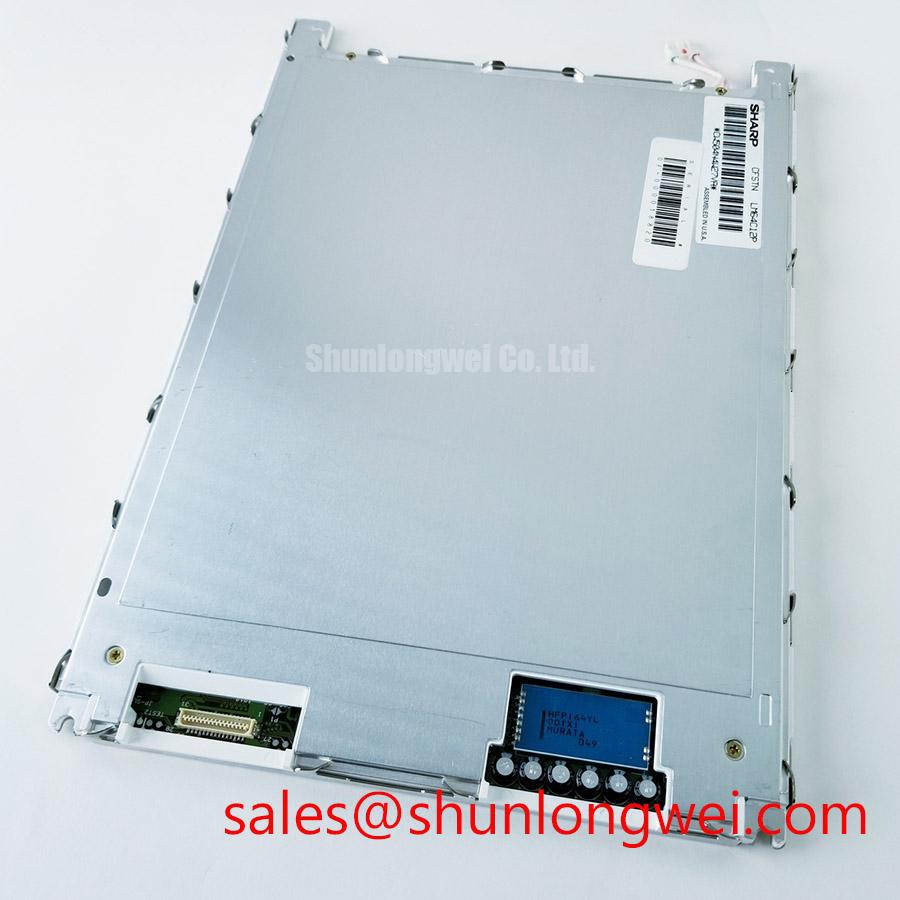
Another critical feature detailed in the datasheet is the display’s integrated drive circuitry. This simplifies the interface requirements, allowing it to connect to a system’s logic with minimal external components. Think of the contrast ratio like the clarity of a printed page; an 18:1 ratio is analogous to sharp, black ink on a clean white background, preventing eye strain for operators who monitor the screen for extended periods. This focus on fundamental performance makes the LM64C06P a workhorse for applications where function trumps form.
Optimized Application Scenarios
The specifications of the LM64C06P make it an excellent match for specific industrial and medical applications where durability and clarity are paramount.
- Industrial Control Panels & HMIs: Its 640×480 resolution is ideal for displaying system status, process variables, and soft-key menus. The robust construction ensures long-term operation in factory environments.
- Test and Measurement Equipment: The high-contrast monochrome display provides clear, unambiguous readings of waveforms and numerical data, which is essential for oscilloscopes, spectrum analyzers, and other diagnostic tools.
- Medical Monitoring Systems: Suitable for patient monitors that display vital signs like ECG waveforms and numeric data. The FSTN technology offers excellent readability from various angles in a room.
- Legacy System Replacement: As a component with a long production history, it serves as a form-fit-function replacement for aging displays in existing equipment, extending the life of valuable industrial assets.
This module is best matched for systems requiring a large, clear, and reliable monochrome display with low power demands and a straightforward interface.
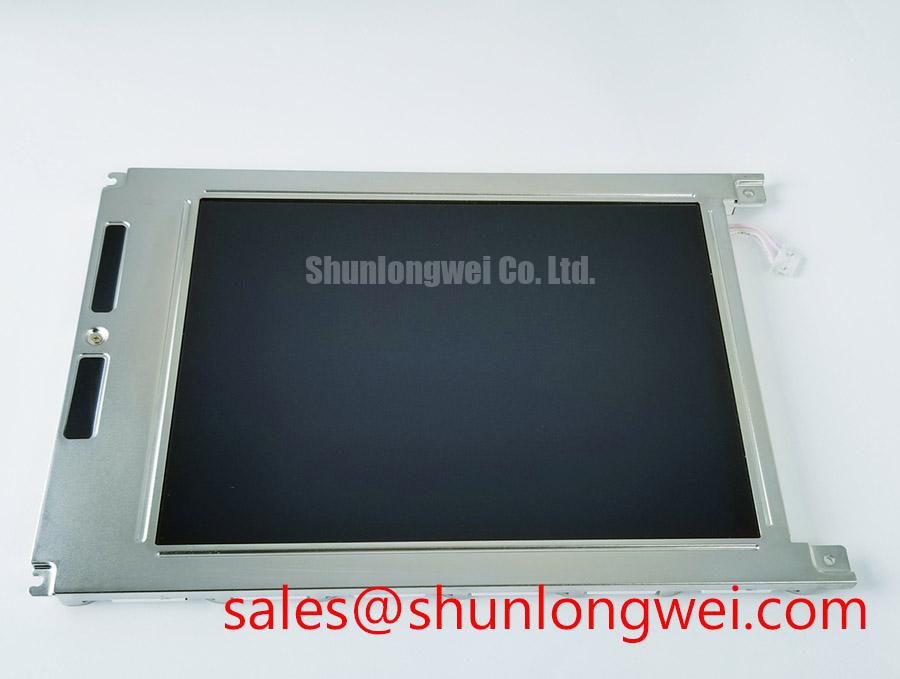

Key Specifications of the LM64C06P
| Display & Optical Characteristics | |
|---|---|
| Display Technology | FSTN (Film Super-Twisted Nematic) Passive Matrix LCD |
| Screen Size | 9.4 inches (24 cm) diagonal |
| Resolution | 640 x 480 pixels (VGA) |
| Active Area | 192 (W) x 144 (H) mm |
| Contrast Ratio (Typical) | 18:1 |
| Backlight | 1 CCFL (Cold Cathode Fluorescent Lamp) with inverter |
| Electrical & Mechanical Specifications | |
| Logic Supply Voltage (VDD) | 5.0 V |
| Interface | 4-bit parallel data |
| Outline Dimensions | 257.5 (W) x 174 (H) x 10 (D) mm |
| Weight | 490 g |
| Operating Temperature | 0°C to +45°C |
Engineer’s Frequently Asked Questions
1. What is the interface protocol for the LM64C06P?
The LM64C06P uses a parallel interface. It accepts 4-bit parallel data (D0-D3) along with control signals such as Frame Sync (FLM), Line Sync (LP), and a dot clock (CP), which is typical for passive-matrix displays of its generation.
2. How is the CCFL backlight powered and its lifespan managed?
The module includes an integrated CCFL inverter, which requires a separate high-voltage AC input. The datasheet specifies the input voltage and frequency for this inverter. To manage its lifespan, which is typically rated in tens of thousands of hours, it is crucial to operate it within the specified electrical parameters and ensure proper ventilation to avoid overheating, a key topic covered in guides to thermal management for display reliability.
3. Is this display suitable for new product designs?
While the LM64C06P is a mature technology, it remains a viable choice for new designs where a simple, high-contrast monochrome display is sufficient and low power consumption is a priority. It is particularly effective in cost-sensitive industrial equipment that does not require the features of modern full-color TFT panels. For more advanced designs, exploring newer emerging display technologies may be appropriate.
4. What are the key considerations for mounting the LM64C06P?
The module has four mounting holes, one in each corner of its bezel. The datasheet provides precise mechanical drawings for these locations. It is critical to use the specified screw torque and to avoid putting mechanical stress or flex on the display chassis, as this can damage the glass panel and its internal connections. Ensuring a secure, flat mounting surface is essential for long-term vibration and shock resistance.
Enabling Clear and Reliable System Interfaces
The Sharp LM64C06P provides a technically sound solution for engineers developing or maintaining systems that depend on unambiguous data display. By integrating a large VGA screen with a power-efficient FSTN panel and durable CCFL backlight, this module delivers the core functionality needed for effective HMIs in industrial and specialized fields. Its design prioritizes long-term readability and reliability over non-essential features, enabling the creation of robust and cost-effective end products.