Sharp LQ104V1DG5B: An Industrial Display Engineered for Extreme Temperatures
Sharp LQ104V1DG5B 10.4″ VGA Industrial LCD for Extreme Temps
Engineered for Unfaltering Performance from -30°C to +80°C
The Sharp LQ104V1DG5B is an a-Si TFT-LCD module built for operational resilience in environments where standard displays fail. Its primary engineering value lies in an exceptionally wide operating temperature range, ensuring consistent performance in applications exposed to severe thermal cycling. This 10.4-inch VGA panel provides a clear, reliable human-machine interface (HMI) solution for systems where long-term stability and durability are the most critical design parameters. For engineers developing systems for deployment in uncontrolled thermal conditions, this display offers a robust foundation.
- Core Specifications: 10.4″ Diagonal | 640×480 VGA | 350 cd/m² Brightness
- Key Advantages: Exceptional -30°C to +80°C operating range. Long-life CCFL backlight rated for 50,000 hours.
- Integration Focus: Standard 6-bit parallel RGB interface simplifies integration with industrial controllers.
Access Detailed Technical Specifications
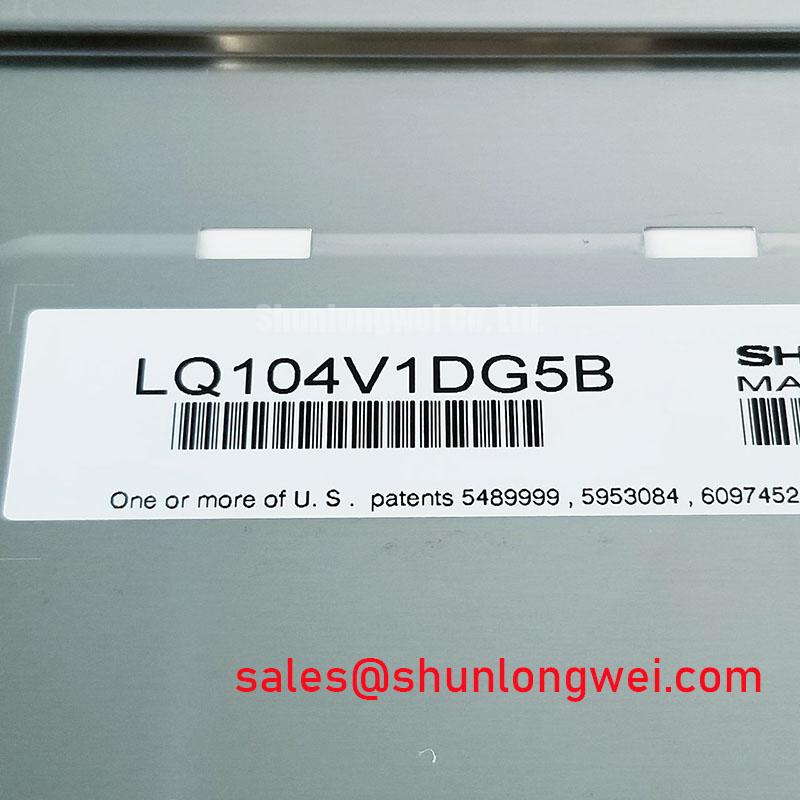

A Technical Analysis for System Reliability
Two key specifications of the Sharp LQ104V1DG5B directly translate into tangible engineering benefits. First, the operating temperature range of -30°C to +80°C is a testament to the specialized materials and construction. For system designers, this specification removes the need for auxiliary heating elements in cold-start scenarios or active cooling systems in high-temperature settings. Think of it like a vehicle’s engine that can start reliably in arctic cold and run efficiently in desert heat; this display is engineered to perform without the added complexity and cost of external thermal hardware. This attribute is critical for outdoor terminals, unpressurized cockpits, and heavy machinery cabins.
Second, the specified 50,000-hour typical lifespan of the single Cold Cathode Fluorescent Lamp (CCFL) backlight is a deliberate choice for industrial longevity. While modern displays often use LED backlights, a mature CCFL technology provides a proven track record of durability and stable brightness over many years of service. For equipment intended to operate for a decade or more, such as in CNC machining or process control systems, this focus on a long and predictable service life is paramount. For a deeper understanding of display durability, refer to this guide on vibration and shock resistance for industrial displays.
Optimized Application Scenarios
The LQ104V1DG5B is engineered for applications where environmental resilience is non-negotiable. Its feature set makes it an optimal choice for:
- Industrial Control Panels: The wide temperature range ensures readability and performance on factory floors with fluctuating temperatures.
- Transportation and Avionics: Its ability to function reliably from a cold start at -30°C makes it suitable for vehicle and aircraft cabins that are not temperature-controlled.
- Outdoor Kiosks and ATMs: The panel’s durability against both heat and cold provides the necessary uptime for public-facing automated systems.
- Legacy System Upgrades: A standard 10.4-inch VGA footprint and parallel interface allow for direct replacement of older, less reliable displays in long-service-life equipment.
For systems that require steadfast VGA performance across an extreme temperature spectrum, the LQ104V1DG5B delivers unmatched operational assurance.
Key Specifications of the LQ104V1DG5B
| Optical & Mechanical Characteristics | |
|---|---|
| Panel Size | 10.4 inches |
| Resolution | 640(RGB) × 480 [VGA] |
| Brightness | 350 cd/m² (Typ.) |
| Contrast Ratio | 350:1 (Typ.) |
| Viewing Angle (L/R/U/D) | 70/70/40/70 (Typ.) (CR≥10) |
| Surface | Antiglare, Hard coating (3H) |
| Environmental & Electrical | |
| Operating Temperature | -30°C to 80°C |
| Storage Temperature | -30°C to 80°C |
| Signal Interface | Parallel RGB (1 ch, 6-bit), 31 pins |
| Backlight System | 1 pc CCFL, 50,000 hours (Typ.) |
| Input Voltage (VCC) | 3.3/5.0V (Typ.) |
Engineer’s FAQ for the LQ104V1DG5B
What makes the LQ104V1DG5B suitable for outdoor or unheated environments?
The key is its extensive operating temperature range of -30°C to +80°C. Unlike commercial-grade displays that may require heaters to prevent liquid crystal freezing or fans to avoid overheating, the LQ104V1DG5B is built with materials that ensure stable performance across this entire spectrum, directly addressing the challenges of thermal management for display reliability.
What are the power supply and mounting considerations for this display?
The panel requires a dual voltage supply of 3.3V or 5.0V (Typ.) for logic. The CCFL backlight requires a separate inverter, which must be sourced to match the lamp’s voltage and current requirements. Mechanically, the module features side mounting holes. It is crucial to use the specified mounting screw torque to avoid mechanical stress on the chassis and potential damage to the panel.
Is the CCFL backlight replaceable?
Yes, the CCFL lamp is a serviceable component. Its 50,000-hour typical lifetime to half-brightness ensures long service, but for applications requiring even longer operational life, the backlight can be replaced. This serviceability is a key factor for maintaining equipment over extended lifecycles, a topic further explored in discussions about navigating component end-of-life.
How does a 350:1 contrast ratio impact readability in industrial settings?
A 350:1 contrast ratio provides clear and distinct separation between light and dark states, which is highly effective for the graphical user interfaces typical in industrial control, such as status indicators, menus, and numerical readouts. While not as high as modern multimedia displays, it offers excellent clarity and reliability for its intended purpose, ensuring that critical information is always unambiguous to the operator.
Design for Durability
The LQ104V1DG5B is a calculated choice for engineering projects where failure is not an option. By focusing on a foundation of extreme temperature resilience and a proven, long-life component architecture, this display enables the design of HMI systems that are built to last. It provides the visual clarity and operational stability required to keep critical industrial, transportation, and automated systems running reliably for years to come.