Sharp LQ10D32A: A Robust 10.4-inch VGA Display for Industrial Systems
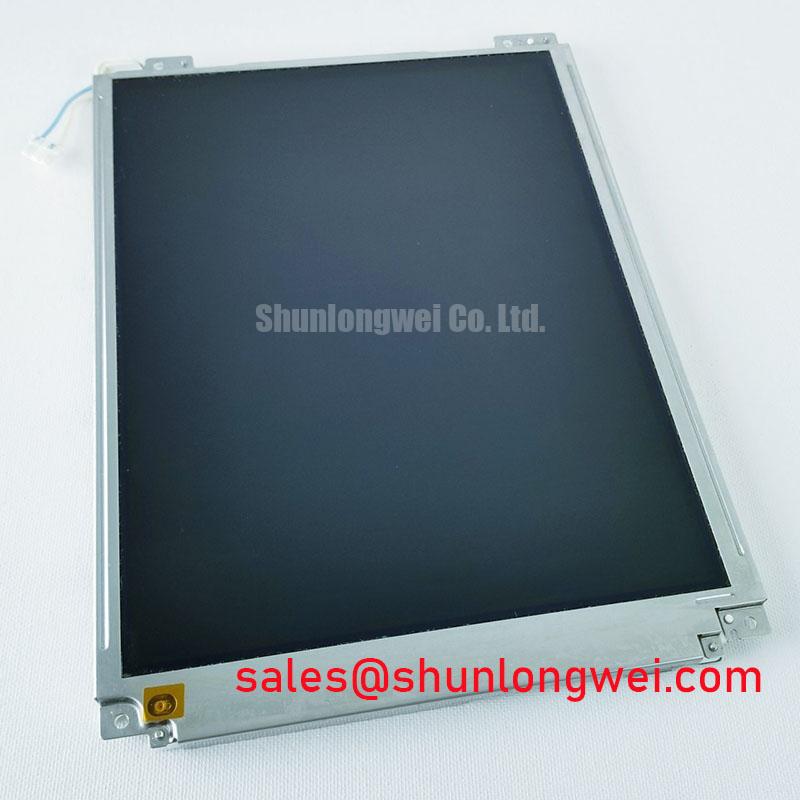
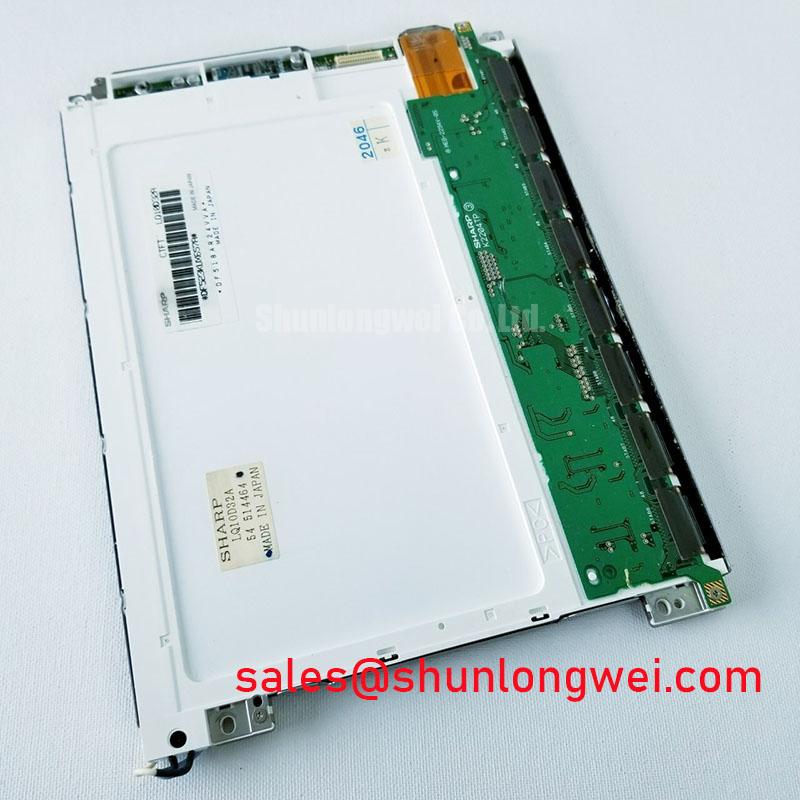
Sharp LQ10D32A: A 10.4-inch VGA TFT-LCD Module
Reliable Visual Performance for Industrial Systems
The Sharp LQ10D32A is a 10.4-inch color TFT-LCD module delivering proven performance for industrial applications. It provides a stable and reliable display solution built on amorphous silicon TFT technology, making it a fitting choice for sustaining legacy systems or for new designs where straightforward integration and long-term operational consistency are primary objectives. Its standard interface and robust construction address the core needs of industrial Human-Machine Interfaces (HMIs).
* **Core Specifications**: 10.4″ Diagonal | 640×480 (VGA) | 200 cd/m² Brightness
* **Key Advantages**: Consistent optical performance, standard 6-bit parallel RGB interface simplifies driver design.
* **Integration Focus**: Serves as a direct-fit component for systems designed around the 10.4-inch VGA form factor, ensuring continuity for long-lifecycle equipment.
Download the official LQ10D32A Datasheet (PDF)




Technical Analysis for System Integration
The LQ10D32A is engineered around core principles of reliability and functional clarity. The VGA resolution of 640×480 pixels, presented on a 10.4-inch active area, provides a pixel pitch of 0.33mm. This configuration is well-suited for industrial GUIs, where legible text and clear status indicators are more critical than high-definition media playback. The typical brightness of 200 cd/m² and a 300:1 contrast ratio ensure that information is clearly readable under typical indoor industrial lighting conditions.
A key aspect of this module is its 6-bit parallel RGB interface. Think of this interface as a 18-lane highway (6 lanes for red, 6 for green, 6 for blue) where data for each pixel’s color components travels directly and simultaneously to the display’s drivers. This architecture, common in legacy industrial systems, eliminates the need for complex serializer/deserializer (SerDes) chipsets that modern high-speed interfaces like LVDS require. This simplifies the driver board electronics, reduces potential points of failure, and lowers EMI concerns, contributing to a more robust and straightforward system design. For more on display technologies, see our guide to LCD core technology.
Optimized Application Scenarios
The specific characteristics of the LQ10D32A make it a strong candidate for applications where operational uptime and component stability are the primary engineering drivers.
- Industrial HMI Panels: The 4:3 aspect ratio and VGA resolution are a standard for many established control software interfaces, making it an ideal drop-in component for system maintenance and upgrades.
- Process Control Systems: Its clear, functional display is effective for monitoring machine status, process diagrams, and numerical data without unnecessary complexity.
- Test and Measurement Equipment: Provides a reliable and clear screen for displaying waveforms, readings, and instrument settings.
- Medical Monitoring Stations (Legacy): Suitable for equipment where a proven, long-term display solution with consistent performance is required.
This module is an optimal match for sustaining systems that require a proven, reliable 10.4-inch VGA interface.
Key Specifications of the LQ10D32A
| Parameter | Specification |
|---|---|
| Screen Size | 10.4 inches (26 cm) |
| Resolution | 640(H) x 480(V) pixels |
| Active Area | 211.2 (H) x 158.4 (V) mm |
| Display Technology | a-Si TFT, TN, Normally White |
| Luminance | 200 cd/m² (Typical) |
| Contrast Ratio | 300:1 (Typical) |
| Interface | 6-bit Parallel RGB |
| Backlight System | 1 x CCFL (Replaceable) |
| Power Consumption (Panel & Backlight) | 4.6 W (Typical) |
| Operating Temperature Range | 0°C to 50°C |
| Outline Dimensions | 246.5(W) x 179.4(H) x 11.0(D) mm |
| Weight | 520g (Approx.) |
Engineer’s FAQ
1. Is the LQ10D32A a suitable replacement for older 10.4-inch VGA displays in industrial equipment?
Yes, in many cases. The LQ10D32A’s standard 10.4″ VGA form factor, 4:3 aspect ratio, and parallel RGB interface make it a strong candidate for replacing similar displays in legacy systems. It is crucial, however, to verify the mechanical mounting points, connector types, and backlight inverter requirements against the existing system’s documentation before finalizing the integration. Proper thermal management is also key to ensuring longevity.
2. What are the power supply considerations for the CCFL backlight?
The CCFL backlight requires a separate high-voltage AC inverter, which is not integrated into the display module itself. The datasheet specifies a lamp voltage of 560 Vrms and a lamp current of 5.0 mArms (typical). Engineers must source a compatible inverter that can provide these specifications to ensure proper brightness and backlight lifespan.
3. How does the 6-bit RGB interface translate to on-screen colors?
A 6-bit interface means each primary color (Red, Green, Blue) is represented by a 6-bit digital value, ranging from 0 to 63. This results in 64 shades per color. The total number of possible colors is 64 (R) x 64 (G) x 64 (B), which equals 262,144 colors. This color depth is sufficient for the clear, distinct graphics required in most industrial HMI applications. For a deeper understanding of visual performance, read our guide on achieving motion clarity.
4. What are the specified viewing angles for this TN panel?
The datasheet specifies typical viewing angles, for a contrast ratio greater than 10, as ±45° horizontal and -10°/+30° vertical. This performance is typical for a TN (Twisted Nematic) panel and is adequate when the operator is positioned directly in front of the display, as is common with control panels and fixed instrumentation.
Enabling System Longevity
The LQ10D32A offers a robust and well-documented display platform. Its adherence to established industrial standards for size, resolution, and interface provides engineers with a reliable component to extend the life of existing systems and develop new applications where proven technology is a requirement, not a compromise.