Sharp LQ150X1DG14: A Technical Guide to the 15-Inch Industrial TFT-LCD Panel for Legacy Systems
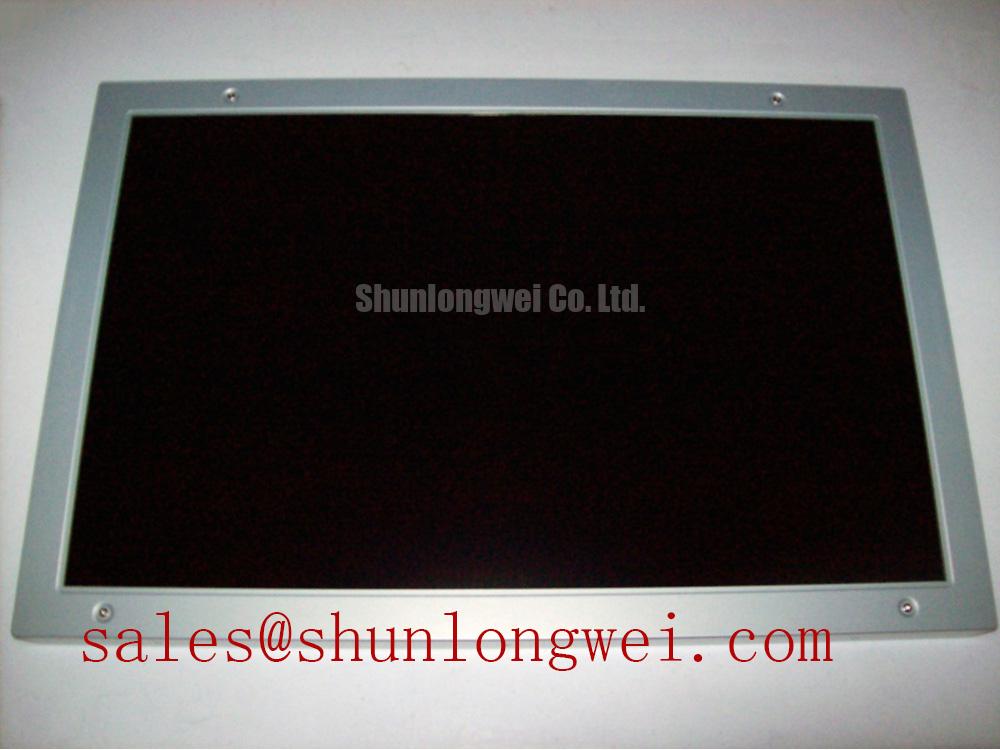
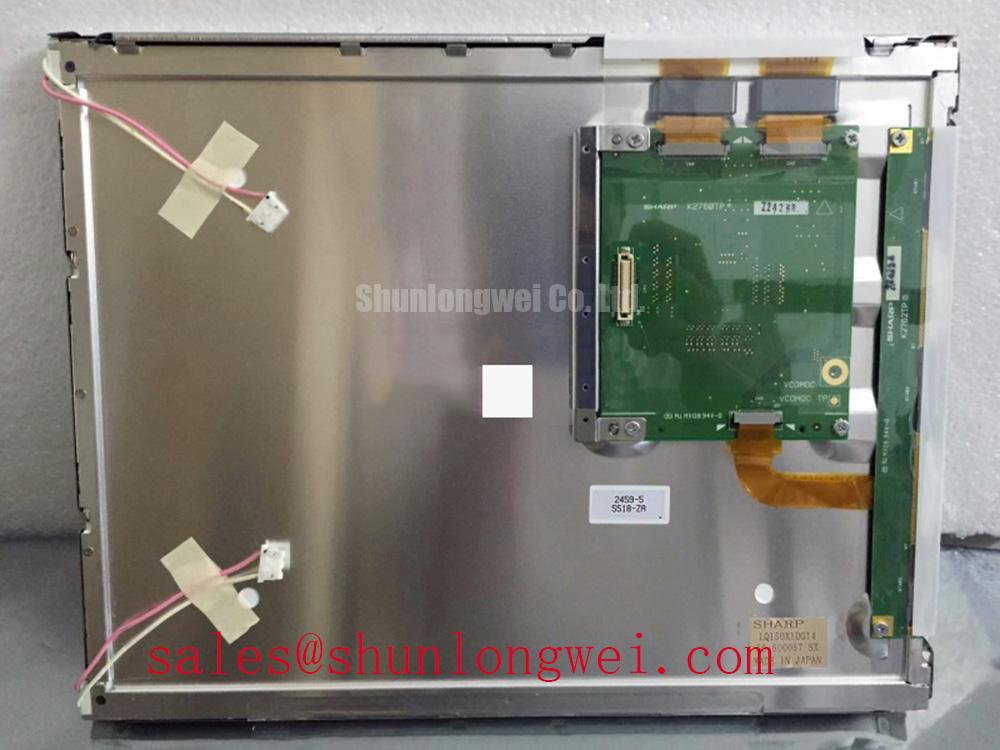
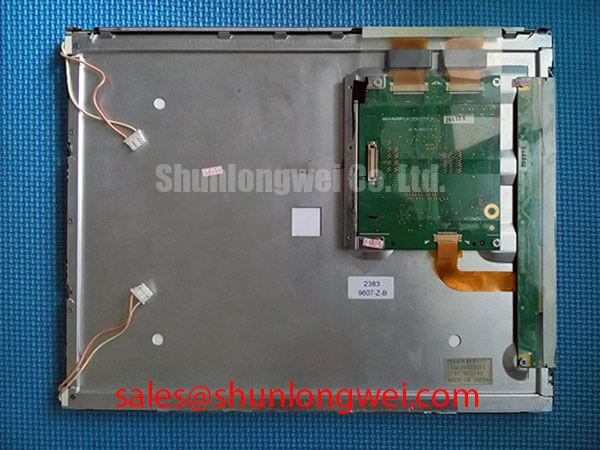
Sharp LQ150X1DG14 15.0-Inch XGA Industrial TFT-LCD Panel
Introduction and Core Highlights
The Sharp LQ150X1DG14 is an industrial-grade transmissive TFT-LCD module designed to deliver consistent optical performance in legacy automation environments. Integrating an amorphous silicon active matrix with a high-durability CCFL backlight, this display provides stable contrast under varying lighting conditions. It is a reliable choice for maintaining and servicing older machine interfaces requiring specific interface configurations.
- Core Parameters: 15.0-inch diagonal | 1024 x 768 XGA resolution | 450 cd/m² typical luminance.
- Engineering Advantages: Bypasses modern conversion layers via direct digital TTL CMOS connectivity, reducing system signal latency.
- Integration Support: Simplifies replacement pathways in cabinets designed around CCFL thermal and physical envelopes.
Download Sharp LQ150X1DG14 Datasheet (PDF)
UVP-Focused Technical Analysis
The Sharp LQ150X1DG14 employs a Twisted Nematic (TN) liquid crystal architecture. This technology excels in achieving rapid pixel response times. It is well-suited for displaying real-time waveform data and moving automation graphics. Its transmissive design relies on a dual-tube CCFL backlight configuration, which achieves a high-intensity output of 450 cd/m². This brightness level overcomes ambient glare in factory floor settings.
To fully understand the display’s thermal behavior, engineers must evaluate the thermal dissipation of the backlight assembly. The CCFL tubes generate localized heat that can impact the liquid crystal cell gap. Think of thermal resistance as a highway lane width. A wider lane allows heat to flow away effortlessly. This prevents isotropic transitions where the liquid crystal loses its alignment properties. Detailed insights on panel thermal dissipation can be found in our comprehensive review on LCD Core Technology.
Interfacing the LQ150X1DG14 is streamlined through its CMOS parallel interface. Supporting both 6-bit and 8-bit digital inputs, it displays up to 16.2 million colors. This raw digital interface bypasses the high-frequency switching noise common in early LVDS transmitters, simplifying electromagnetic compatibility (EMC) compliance during system integration. It allows direct, unbuffered connection to many legacy microcontrollers and embedded PCs.
Optimized Application Scenarios
- Legacy HMI Retrofitting: Matches the direct parallel CMOS timing requirements of older industrial computers.
- Medical Diagnostic Consoles: Stable 500:1 contrast ratio ensures precise gray-scale rendering for vital sign monitors.
- CNC Control Terminals: Anti-glare surface treatment minimizes reflections, ensuring readability under harsh overhead factory lighting.
- Marine Navigational Repeaters: Designed with robust mechanical mounting to withstand baseline mechanical stress and vibration.
Best Match: The Sharp LQ150X1DG14 is best suited for 12V legacy systems requiring CMOS parallel inputs and high-contrast, transmissive XGA rendering.
Key Specifications Parameter Table
| Parameter Category | Specification Description | Typical Value |
|---|---|---|
| Optical Characteristics | ||
| Display Area | Diagonal Dimension | 15.0 inches (38 cm) |
| Resolution | Pixel Format | 1024 x 768 (XGA) |
| Luminance | Surface Brightness | 450 cd/m² |
| Contrast Ratio | Intraband Ratio | 500:1 |
| Electrical Properties | ||
| Signal Interface | Input Bus Type | Parallel CMOS (31-pin / 41-pin) |
| Logic Voltage | Supply Input (VCC) | 3.3V / 5.0V |
| Backlight System | Lamp Assembly | Dual CCFL Tubes |
| Physical Parameters | ||
| Outer Outline | W x H x D Dimensions | 326.0 x 252.0 x 11.5 mm |
| Operating Temp | Standard Envelope | 0°C to +50°C |
Engineer FAQ
Q: My single-board computer only outputs LVDS. How do I connect to this CMOS interface?
A: You will need an active LVDS-to-TTL bridge board. Ensure the transmitter handles clock skew matching to prevent display artifacts on the LQ150X1DG14.
Q: What is the benefit of a CCFL backlight over LED in legacy systems?
A: CCFL displays like this one preserve the electrical matching of older inverters. Changing to LED requires modifying the dimming circuit. For guidance on brightness adjustment, refer to our article on industrial LCD dimming.
Q: What mechanical precautions should be taken for high-vibration applications?
A: CCFL tubes are more fragile than LEDs. To prevent lamp breakage, please review our specialized technical resource on vibration and shock resistance for industrial displays.
Summary of Engineering Value
The Sharp LQ150X1DG14 is a highly reliable display solution for keeping industrial systems running without extensive redesigns. By offering a direct parallel CMOS interface and a bright 450 cd/m² transmissive output, this module simplifies legacy integration while maintaining visual precision on the factory floor.