Sharp LQ190E1LW41: A Technical Review for Industrial and Medical Systems
Sharp LQ190E1LW41 19.0″ SXGA Industrial TFT-LCD Module
Engineered for High-Clarity Visuals in Demanding Environments
The Sharp LQ190E1LW41 is a 19.0-inch a-Si TFT-LCD module delivering exceptional visual performance for industrial and medical systems. Its key distinction lies in combining high brightness, a strong contrast ratio, and wide, symmetrical viewing angles, ensuring data is clearly legible from nearly any position. This makes it a reliable choice for complex human-machine interfaces (HMIs) and diagnostic equipment where visual accuracy is non-negotiable.
- Core Specifications: 1280×1024 SXGA | 450 cd/m² Brightness | 900:1 Contrast Ratio
- Key Advantages: Superior off-axis readability, long-life CCFL backlight system.
- User Intent Insight: The P-MVA panel technology provides symmetrical 89-degree viewing angles, ensuring that multiple operators can view the screen simultaneously without color distortion or contrast shift.
Download Official Datasheet (Reference)
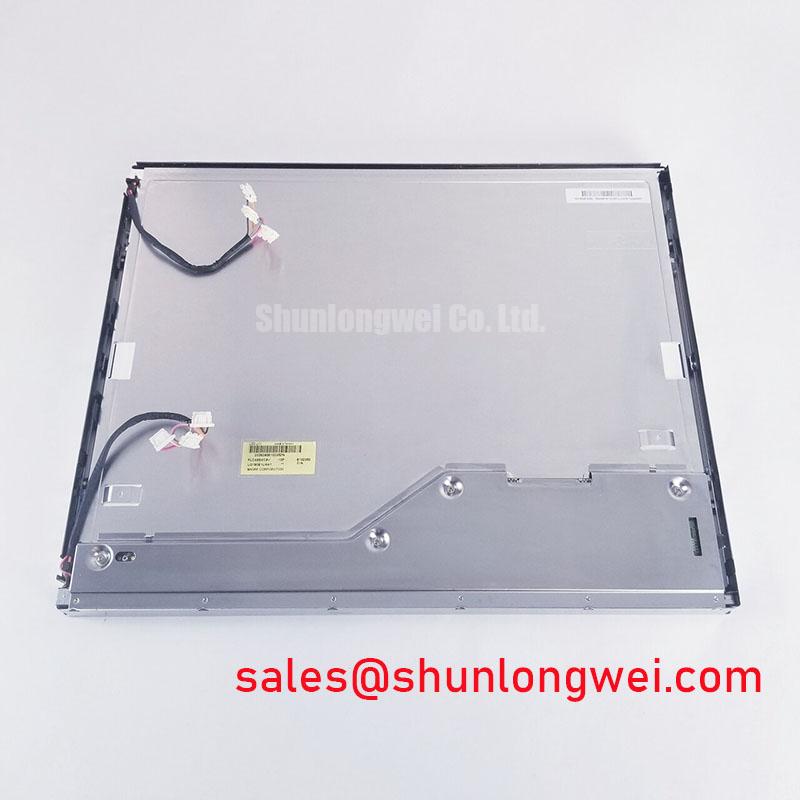
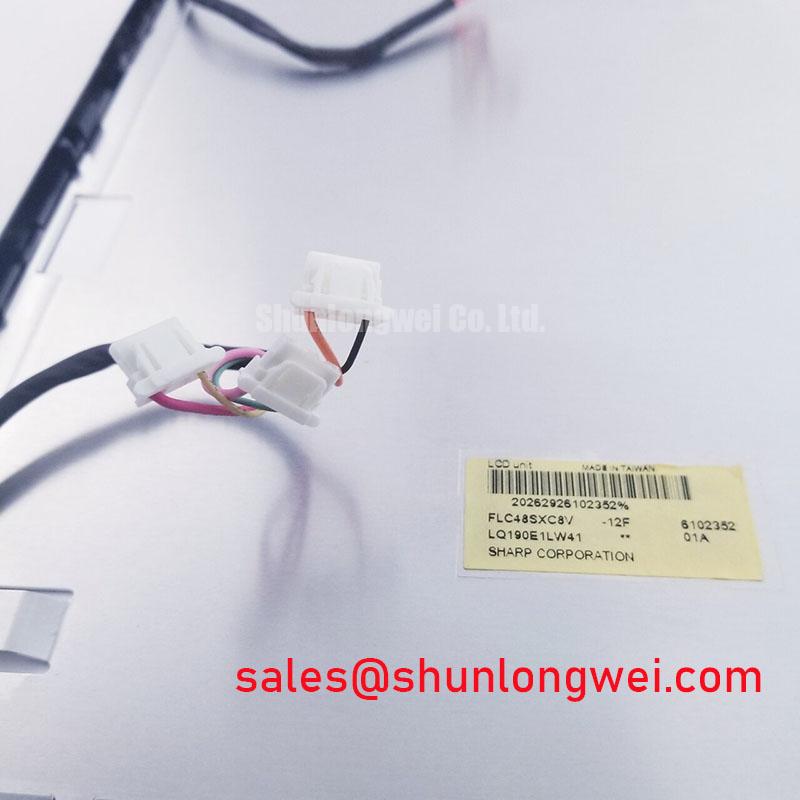
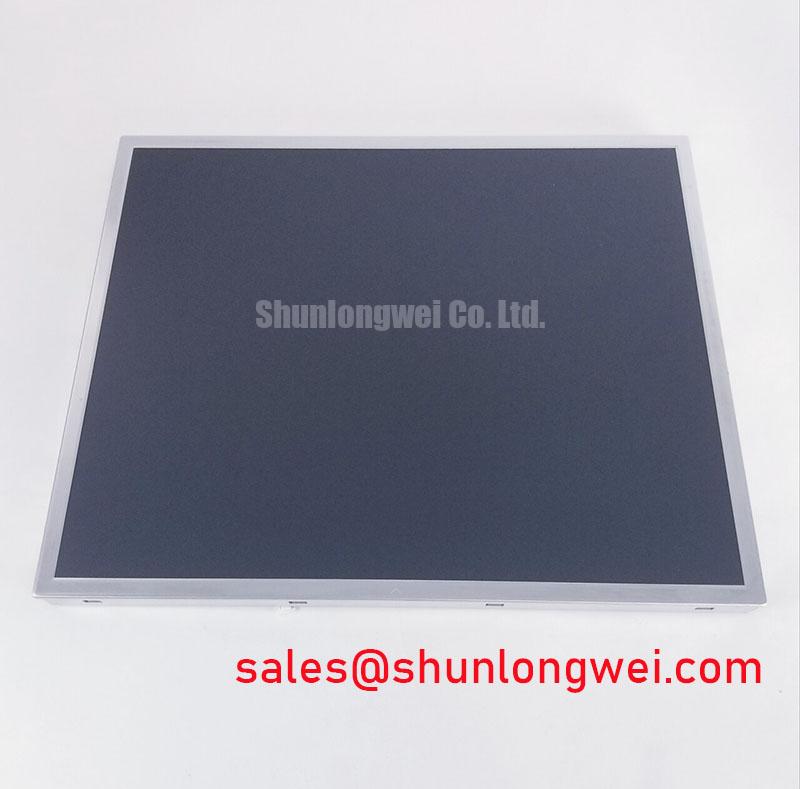
Technical Analysis for System Integration
The LQ190E1LW41 is built on a P-MVA (Patterned Vertical Alignment) panel, a technology that delivers deep, uniform blacks and consistent color fidelity across a wide viewing cone. Its specified viewing angle of 89/89/89/89 degrees (L/R/U/D) at a contrast ratio of 10:1 or greater is critical for collaborative environments, such as medical operating rooms or factory control stations. This ensures that measurements, waveforms, and status indicators are interpreted correctly, regardless of an operator’s position relative to the screen.
The module’s high contrast ratio of 900:1 provides the optical foundation for its readability. You can think of contrast ratio like the legibility of text on a physical document; a lower ratio is like trying to read light grey pencil on off-white paper, while a high ratio is like crisp black ink on bright white paper. The LQ190E1LW41’s performance ensures that graphical elements and data points remain distinct and sharp, reducing operator fatigue and potential for error, especially in complex user interfaces.
Integration is managed via a standard LVDS (Low-Voltage Differential Signaling) 2-channel, 8-bit interface, a common standard in industrial systems. The panel is powered by a 5.0V input, simplifying power supply design. Furthermore, its CCFL backlight system is rated for a minimum of 50,000 hours, contributing to a lower total cost of ownership by extending the system’s operational life before maintenance is required. For guidance on ensuring signal integrity with this interface, see our guide on rugged connectivity solutions.
Optimized Application Scenarios
- Industrial Control Panels: The 1280×1024 resolution and 5:4 aspect ratio provide ample vertical space for displaying SCADA interfaces, process diagrams, and data logs without excessive scrolling.
- Medical Imaging and Diagnostics: The high contrast ratio and stable, wide viewing angles are essential for the accurate interpretation of medical images where subtle variations in grayscale are critical.
- Test and Measurement Equipment: The 450-nit brightness and anti-glare surface treatment ensure that waveforms and numerical readouts are clear and legible in the varied lighting conditions of a laboratory or production floor.
- Public Information Kiosks and ATMs: The robust mechanical design and long-life backlight make it a suitable component for systems requiring continuous, reliable operation over many years.
This display’s combination of resolution, wide viewing angles, and proven backlight technology makes it an excellent match for systems where visual consistency and long-term reliability are primary design objectives.
Key Specifications of the LQ190E1LW41
| Feature | Specification |
|---|---|
| Screen Size | 19.0 inches |
| Resolution | 1280(RGB) x 1024 (SXGA) |
| Panel Technology | a-Si TFT-LCD, P-MVA, Normally Black |
| Brightness | 450 cd/m² (Typical) |
| Contrast Ratio | 900:1 (Typical) |
| Viewing Angle (L/R/U/D) | 89/89/89/89 degrees (Typical, CR≥10) |
| Response Time | 8 ms (Typ., G to G) |
| Signal Interface | LVDS (2 ch, 8-bit), 30-pin Connector |
| Operating Temperature | 0°C to 50°C |
| Storage Temperature | -20°C to 60°C |
| Backlight System | CCFL, 50,000 hours (Min.) |
Engineer’s FAQ
1. What makes the LQ190E1LW41’s viewing angle performance suitable for multi-personnel applications?
The panel utilizes P-MVA technology to achieve symmetrical viewing angles of 89 degrees in all directions (horizontal, vertical). This ensures that colors and contrast remain consistent for all viewers, which is a critical requirement for collaborative diagnostic or monitoring stations.
2. How does the 5:4 aspect ratio of the LQ190E1LW41 benefit industrial HMI design?
Compared to widescreen formats, the 5:4 aspect ratio of the 1280×1024 SXGA resolution provides greater vertical screen area. This allows for the display of longer data logs, detailed schematics, or extensive menu systems with less need for scrolling, improving operator efficiency.
3. What are the primary thermal management considerations for this display?
The LQ190E1LW41 has an operating range of 0°C to 50°C. System enclosures must provide adequate ventilation to keep the ambient temperature around the panel within this range. The CCFL backlight generates heat, so designers should ensure airflow behind the module to prevent heat buildup, which can impact performance and lifespan. For more on this topic, explore our resources on thermal management for display reliability.
4. Is an external backlight driver required?
Yes, the datasheet indicates that the CCFL backlight system requires an external inverter (driver) to supply the necessary high voltage. The connector type and electrical requirements for the lamps are specified to aid in the selection or design of a compatible driver.
Enabling Clarity and Longevity in Visual Systems
The Sharp LQ190E1LW41 provides a robust foundation for systems that demand clear, reliable, and consistent image reproduction. Its combination of high brightness, strong contrast, and superior off-axis viewing performance allows engineers to design HMIs and diagnostic tools that are both effective and durable. By delivering stable visual fidelity, this display supports the creation of equipment built for long-term operational excellence.