Sharp LQ231U1LW01: A High-Resolution Display for Professional Applications
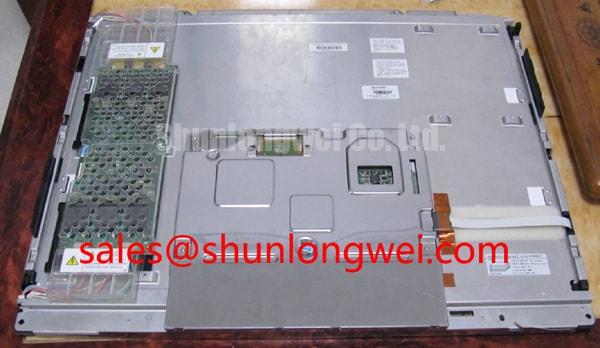
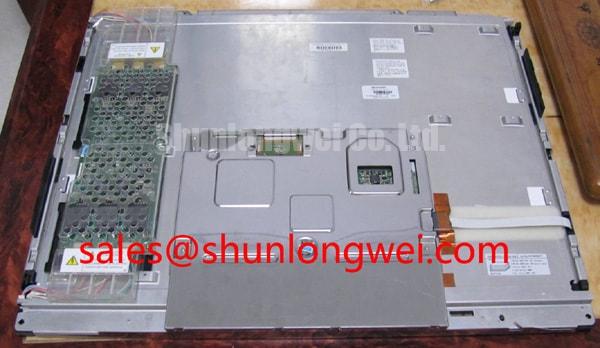
Sharp LQ2-31U1LW01 23.1-inch UXGA TFT-LCD Module
High-Resolution Imaging for Demanding Visual Applications
The Sharp LQ231U1LW01 is a 23.1-inch a-Si TFT-LCD module engineered for applications where image clarity and detail are paramount. It delivers a high-density UXGA resolution on a large active area, enabling precise visualization of complex data and high-fidelity graphics. This performance is achieved through a Multi-Domain Vertical Alignment (MVA) panel that ensures wide, symmetrical viewing angles and consistent image quality from various perspectives.
- Core Specifications: 23.1″ Diagonal | 1600×1200 UXGA | 500:1 Contrast Ratio
- Key Advantages: High pixel density (86 PPI) for sharp, clear images. Symmetrical 85° viewing angles for multi-user visibility.
- Engineered for Clarity: With its ability to render 16.7 million colors, this display provides the color depth required for nuanced graphical applications, from medical imaging to control room monitoring.
Download the Tentative Datasheet (PDF)
Technical Analysis for System Integration
The engineering value of the LQ231U1LW01 lies in its combination of size and resolution. The 1600×1200 UXGA resolution provides 1.92 million pixels within a 470.4 x 352.8 mm active area. This pixel density, approximately 86 pixels per inch (PPI), allows for the display of fine lines and small text without aliasing or distortion, a critical requirement in cartographic and diagnostic systems. The specified 500:1 transmissive contrast ratio ensures a clear distinction between light and dark shades, enhancing the legibility of on-screen information.
The display’s MVA, normally black technology is a key factor in its optical performance. It provides symmetrical viewing angles of 85 degrees in all directions (left, right, up, down) with a contrast ratio of at least 10:1. Think of viewing angles like the effective range of a flashlight beam; a wider, more uniform beam illuminates a larger area clearly. Similarly, these wide angles ensure that multiple operators can view the screen from different positions without significant color shift or loss of contrast. This is a crucial feature for collaborative environments like industrial control rooms or medical consultation stations.
Optimized Application Scenarios
The LQ231U1LW01 is well-suited for professional systems where visual accuracy is non-negotiable.
- Medical Imaging Stations: The high UXGA resolution enables radiologists and clinicians to analyze detailed anatomical structures in digital scans with high precision.
- Air Traffic Control (ATC) & VTS: The large 23.1-inch screen provides ample space to display complex radar data, maps, and flight information, while the high pixel density ensures all elements are sharp and legible.
- Geographic Information Systems (GIS): The combination of size, resolution, and color depth is ideal for rendering detailed maps and satellite imagery.
- Pre-Press and Graphic Design: The 8-bit color depth, producing 16.7M colors, allows for accurate color proofing and design work.
This module’s specifications are best matched for stationary, high-precision visualization systems where image integrity and wide viewing angles are primary design drivers.

Key Specifications of the LQ231U1LW01
| Display & Optical Characteristics | |
|---|---|
| Screen Size | 23.1 inches |
| Resolution | 1600(RGB) x 1200 (UXGA) |
| Display Technology | a-Si TFT-LCD, MVA, Normally Black, Transmissive |
| Brightness | 250 cd/m² (Typ.) |
| Contrast Ratio | 500:1 (Typ.) |
| Viewing Angle (CR≥10) | 85/85/85/85 (Min.) (L/R/U/D) |
| Response Time | 15 ms (Typ., G to G) |
| Display Colors | 16.7M (8-bit) |
| Backlight System | 6 pcs CCFL, 50k hours (Typ.), with inverter |
| Surface Treatment | Antiglare (Haze 25%), Hard coating (3H) |
| Interface & Mechanical Data | |
| Signal Interface | OpenLDI, 31 pins Connector |
| Logic Voltage | 5.0V (Typ.) |
| Outline Dimensions | 530(W) x 432.8(H) x 33.5(D) mm |
| Active Area | 470.4(W) x 352.8(H) mm |
| Weight | 5.50 Kgs (Max.) |
Engineer’s FAQ
1. What kind of controller is needed for the LQ231U1LW01’s OpenLDI interface?
The display utilizes an OpenLDI (Low Voltage Differential Signaling Display Interface) connection. An engineer will need a compatible TCON (Timing Controller) board or an AD board that can output the dual-pixel OpenLDI signal format required to drive the 1600×1200 resolution at the correct refresh rate. Ensure the controller’s power supply can provide the specified 5.0V.
2. How should the CCFL backlight and inverter be managed?
The module includes an integrated inverter for its 6-tube CCFL backlight system. The inverter requires its own power input and control signals (typically for enable and brightness adjustment). It’s important to follow the datasheet’s specifications for connector pinouts and voltage/current ratings to ensure proper operation and maximize the 50,000-hour rated lifespan of the backlight. For a deeper understanding of backlight management, consider reviewing resources on proactive backlight lifespan management.
3. What are the main thermal management considerations for this large display?
With a typical power consumption around 13.6W (Logic: 9.25W, Backlight: variable), the LQ231U1LW01 requires adequate ventilation within its final enclosure. Engineers must ensure that airflow around the rear of the panel and the inverter is sufficient to keep the operating temperature within the specified 0°C to 50°C range. Blocked vents or a tightly sealed enclosure could lead to overheating, which may shorten the backlight’s life and affect image quality.
Enabling High-Fidelity Visualization
The LQ231U1LW01 provides a stable, high-performance platform for professional systems that depend on accurate and detailed image reproduction. Its combination of a large screen, high UXGA resolution, and consistent wide-angle viewing empowers engineers to build visualization tools for critical applications, ensuring that operators see a clear and precise representation of essential data. This focus on foundational optical quality makes it a durable choice for long-lifecycle industrial and high-reliability systems.