Sharp LQ7BW556T: 7.0-Inch Wide-Temperature Analog RGB Industrial LCD Panel
Sharp LQ7BW556T 7.0-Inch Industrial Analog TFT-LCD Panel
Introduction and Core Highlights
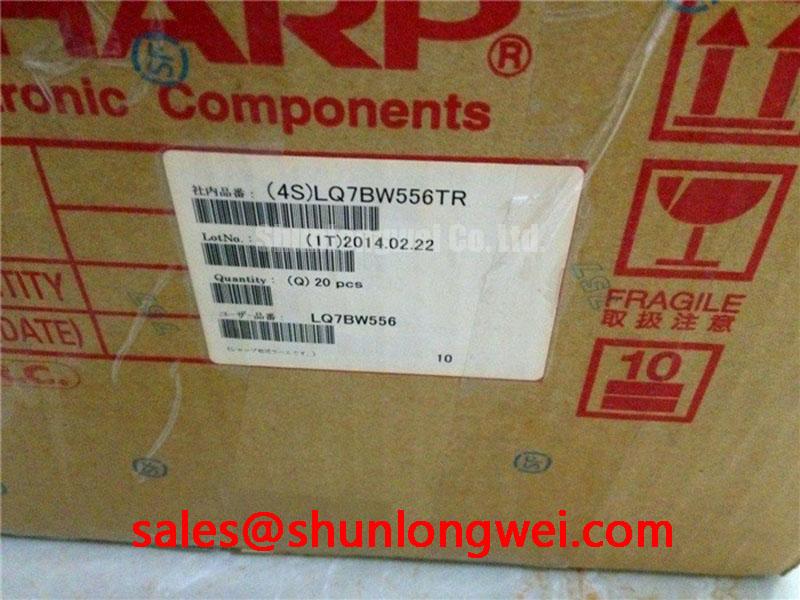
The Sharp LQ7BW556T is a 7.0-inch industrial a-Si TFT-LCD display module featuring an analog RGB interface and wide temperature tolerance, engineered to deliver reliable visual performance in harsh environments. Key specs: 7.0″ diagonal size, 400×234 resolution, and an operational range of -30°C to +80°C. Key benefits include straightforward integration with legacy analog video controllers and robust performance under thermal extremes, resolving common compatibility issues in classic HMI upgrades.
Download Official Sharp Datasheet (PDF)
Technical Analysis of Thermal and Signal Performance
The technical foundation of the LQ7BW556T lies in its analog RGB interface, which matches the output of legacy controllers. Unlike modern digital panels that require signal conversion bridges, this unit directly accepts analog red, green, and blue signals. This design simplifies legacy screen retrofits and eliminates signal conversion latency. This panel is highly suitable for retrofitting vintage CNC monitors and automotive displays that output native analog waveforms.
Another critical asset of this display is its wide operating temperature envelope. The display remains functional from -30°C up to +80°C. This temperature resilience is like a rugged off-road vehicle’s suspension; just as a specialized suspension absorbs extreme bumps without structural damage, the wide-operating liquid crystal chemistry in this screen absorbs thermal shocks. It maintains cell gap stability and prevents crystallization or clearing, ensuring visual clarity under rapid environmental transitions. This design reduces display failure risks when operating LCDs in extreme cold environments.
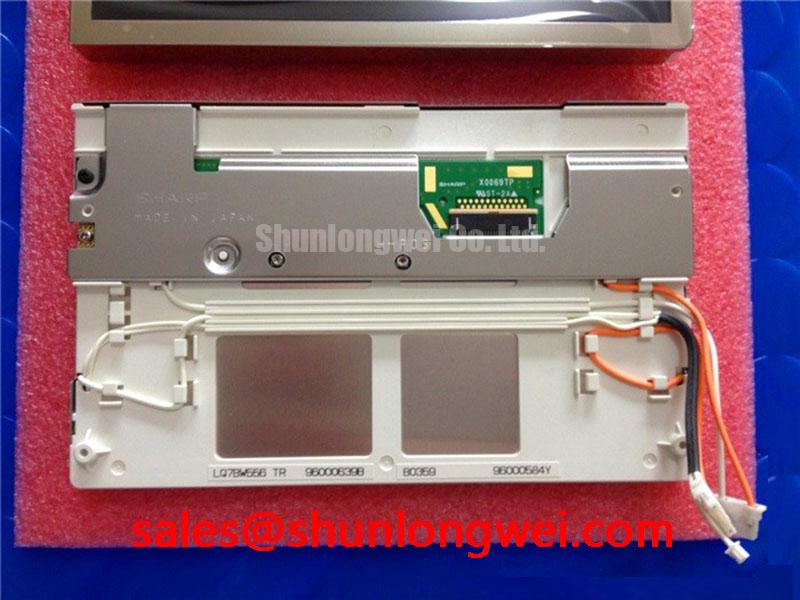
Furthermore, the integration of a CCFL backlight provides a typical luminance of 350 cd/m², which ensures readability inside industrial plants. The physical structure of the panel is optimized to reduce stress on the internal glass layers. This structural design helps in preventing defects related to image sticking and Mura defect mitigation. This ensures long-term display uniformity across its lifecycle. The display is a representative implementation of classic LCD core technology, balancing analog simplicity with industrial durability.
Optimized Industrial Applications
- Legacy HMI Retrofits: The analog RGB interface allows direct connection to older generation controller boards without auxiliary digital converter boards.
- Marine Display Consoles: The wide storage and operating limits protect the display from crystallization when exposed to extreme shoreline cold or high deck heat.
- Heavy Industrial Machinery: The robust construction resists mechanical stress and maintains contrast ratio stability in shock-heavy environments.
Best-Match: The LQ7BW556T is optimal for legacy analog visual systems operating in unregulated thermal environments from marine decks to heavy machinery cabins.
Key Specifications Table
| Parameter | Specification Value |
|---|---|
| Display Size | 7.0 inches (18 cm) diagonal |
| Panel Type | a-Si TFT-LCD |
| Resolution | 400 × 234 pixels |
| Luminance (Typical) | 350 cd/m² |
| Contrast Ratio | 150:1 |
| Signal Interface | Analog RGB |
| Operating Temperature | -30°C to +80°C |
| Storage Temperature | -30°C to +80°C |
| Backlight Source | Single CCFL tube |

Engineer Frequently Asked Questions
Q1: What driver circuit is required for the CCFL backlight in the LQ7BW556T?
A1: The integrated CCFL tube requires an external high-voltage AC inverter. Engineers should select an inverter that matches the starting voltage and operating current specified in the datasheet to ensure stable ignition and dimming range.
Q2: How do you handle analog RGB signal degradation over long cable runs?
A2: Analog RGB signals are prone to EMI and signal attenuation. For optimal performance, cable runs must be kept under 50 cm. You should use double-shielded coaxial lines with appropriate termination resistors to maintain clean signal transitions.
Q3: How does the LQ7BW556T perform when operating in extreme cold?
A3: The panel is rated to operate down to -30°C. In sub-zero environments, liquid crystal response times will increase, causing temporary ghosting. The integrated wide-temperature design prevents permanent damage to the display structure during cold startup sequences.
Implementation and Support
By prioritizing signal compatibility and environmental endurance, the LQ7BW556T offers system integrators a drop-in replacement panel for aging equipment. This hardware path extends the operational life of industrial control consoles without requiring costly software redesigns. For specific hardware pinout inquiries, please refer to the official datasheet documents.