Sharp LQ9D011: A Robust and Serviceable Display for Industrial Systems
Sharp LQ9D011: 8.4-inch Color TFT-LCD for Industrial Systems
Introduction and Core Features
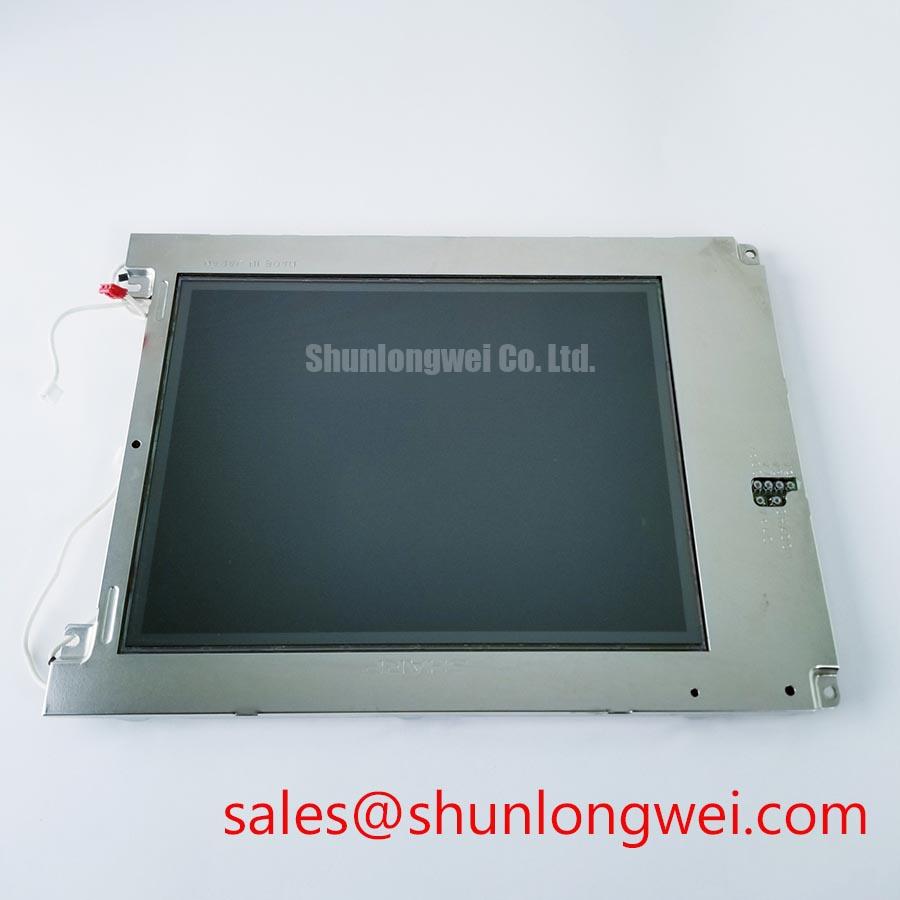
The Sharp LQ9D011 is an 8.4-inch a-Si TFT-LCD module delivering field-proven reliability and long-term serviceability for industrial human-machine interfaces (HMIs) and control systems. This display provides a stable solution for legacy equipment, combining a standard VGA resolution with a robust mechanical design. Its architecture directly addresses the engineering challenge of extending the operational life of installed systems, where sourcing form-fit-function replacements is critical. The design prioritizes durability and straightforward maintenance over bleeding-edge performance metrics.
- Core Specifications: 8.4-inch Diagonal | 640 x 480 VGA Resolution | Replaceable CCFL Backlight
- Key Engineering Value: Facilitates long-term system sustainment through a serviceable backlight design. Specified to withstand industrial shock and vibration.
Download the Official LQ9D011 Datasheet (PDF)


Technical Analysis for System Integration
A defining feature of the LQ9D011 is its serviceable design, centered on a replaceable Cold Cathode Fluorescent Lamp (CCFL) backlight. The datasheet confirms the lamp is a field-replaceable unit, a critical consideration for managing component end-of-life. Unlike modern LED-backlit displays where the light source is permanently integrated, this module allows technicians to restore original brightness (typically 180 cd/m²) after thousands of hours of use. This feature significantly lowers the total cost of ownership for capital equipment by enabling targeted maintenance instead of complete module replacement.
The module’s resilience in industrial settings is quantified by its shock and vibration ratings. The datasheet specifies a vibration tolerance of 1.0G (10 to 55 Hz) and a shock survivability of 60G. The shock rating can be thought of as the display’s ability to endure sudden impacts, much like a vehicle’s suspension absorbs bumps on a rough road. This level of mechanical robustness ensures operational integrity in environments such as factory floors or in-vehicle systems where jolts and constant machine humming are the norms, preventing display failure and data interruption.


Optimized Application Scenarios
The LQ9D011’s specifications make it a strong candidate for specific industrial and commercial roles:
- Industrial HMI Panels: Its standard 640×480 VGA resolution and parallel RGB interface provide a drop-in-compatible solution for sustaining older CNC machines, PLCs, and process controllers, minimizing software and hardware rework.
- Test and Measurement Equipment: The 180:1 contrast ratio and anti-glare screen surface deliver clear, readable data in typical indoor laboratory and workshop lighting conditions.
- Legacy Point-of-Sale (POS) Systems: The 8.4-inch form factor is a common size for older POS terminals. The ability to replace the backlight extends the life of the entire terminal, offering a cost-effective repair solution.
- Medical Carts (Non-Diagnostic): The specified operating temperature range of 0°C to 55°C is well within the climate-controlled conditions of medical facilities for use in non-critical monitoring equipment.
This module is best matched for sustaining existing industrial VGA systems, prioritizing serviceability and proven reliability for long-term operational continuity.
Key Specifications of the LQ9D011
| Parameter | Specification |
|---|---|
| Display Technology | 8.4-inch Amorphous Silicon TFT-LCD |
| Resolution | 640(RGB) x 480 [VGA] |
| Luminance | 180 cd/m² (typ.) |
| Contrast Ratio | 180:1 (typ.) |
| Viewing Angle (H/V) | 120° / 100° (L/R 60°, U/D 40°/60°) |
| Backlight System | 1 x CCFL, Replaceable |
| Logic Supply Voltage (VCC) | +5.0V |
| Signal Interface | 6-bit Parallel RGB |
| Operating Temperature | 0°C to +55°C |
| Storage Temperature | -25°C to +70°C |
| Mechanical Dimensions | 243.0 x 180.0 x 12.0 mm |
Frequently Asked Questions for Engineers
- What makes the LQ9D011 suitable for replacing an old industrial VGA display?
- Its 640×480 native resolution, 8.4-inch diagonal size, and parallel RGB interface are standard specifications for many legacy industrial systems. This allows for a more straightforward “form-fit-function” replacement, reducing the need for extensive hardware or software modifications during repairs or upgrades.
- Is the backlight on the LQ9D011 user-replaceable?
- Yes. The datasheet confirms the module includes a replaceable CCFL lamp. This is a key advantage for long-term maintenance, allowing the restoration of display brightness without replacing the entire TFT-LCD panel assembly, which is a common failure point in equipment that operates 24/7.
- How should I manage heat from the CCFL backlight?
- The lamp inverter and CCFL consume approximately 3.0W. For reliable, long-term operation, ensure the final enclosure design provides adequate ventilation around the rear of the module to dissipate this heat. Proper thermal management prevents premature aging of the backlight and other components, especially when operating near the upper temperature limit of 55°C.
- The datasheet specifies a “6 o’clock” viewing direction. What does this mean?
- A 6 o’clock viewing direction indicates that the optimal image quality, particularly contrast, is achieved when viewing the display from slightly below the center. This is a crucial consideration for HMI ergonomics; the display should be mounted so the operator’s typical line of sight is perpendicular to or slightly below the screen’s center.
Enabling Long-Term System Reliability
The Sharp LQ9D011 provides a stable and dependable foundation for systems that demand long-term availability and straightforward maintenance. Its combination of a standard interface, robust construction, and a serviceable backlight empowers engineers to maintain the integrity and successfully extend the lifecycle of established industrial equipment. For more insights on ensuring display performance, consider reading about industrial LCD reliability.