SKKD 164F17: A Technical Analysis of a 1700V Fast Diode for Efficient Power Conversion
## SKKD 164F17: Technical Analysis of a 1700V Fast Diode Module
Introduction & Core Highlights
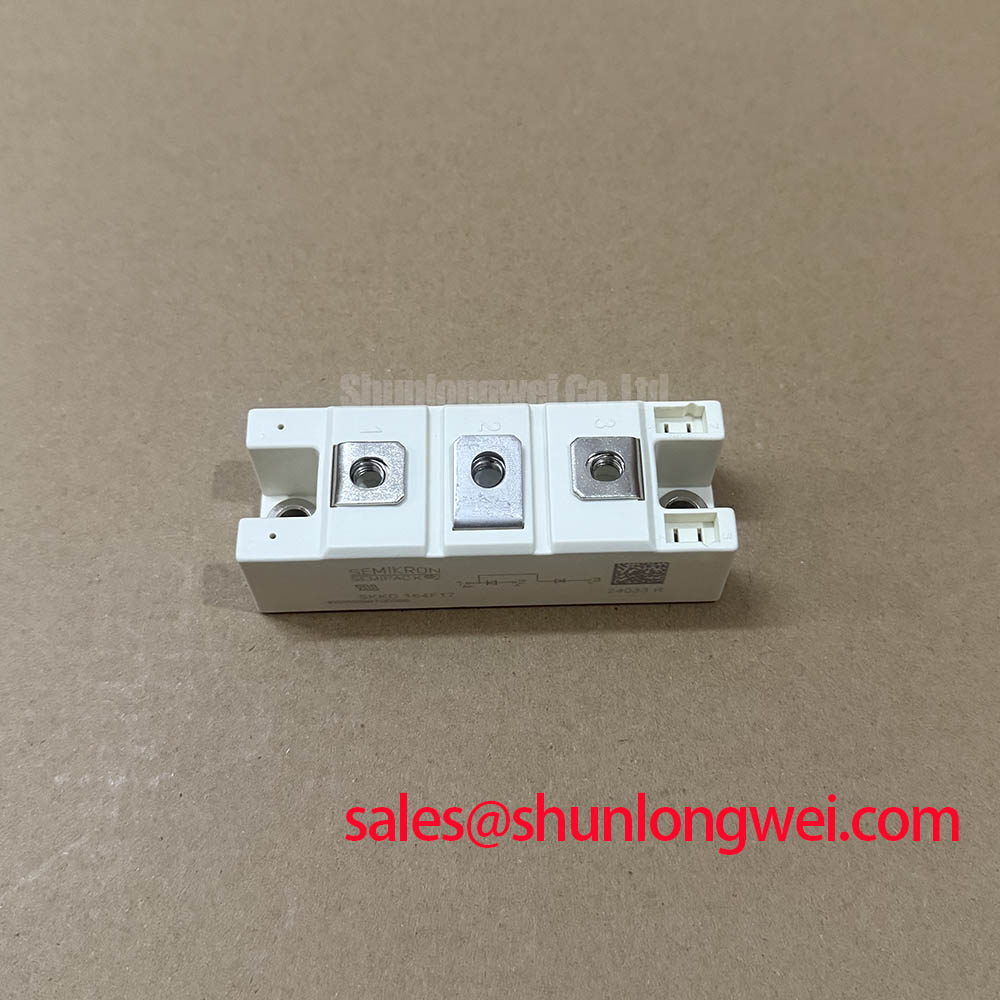
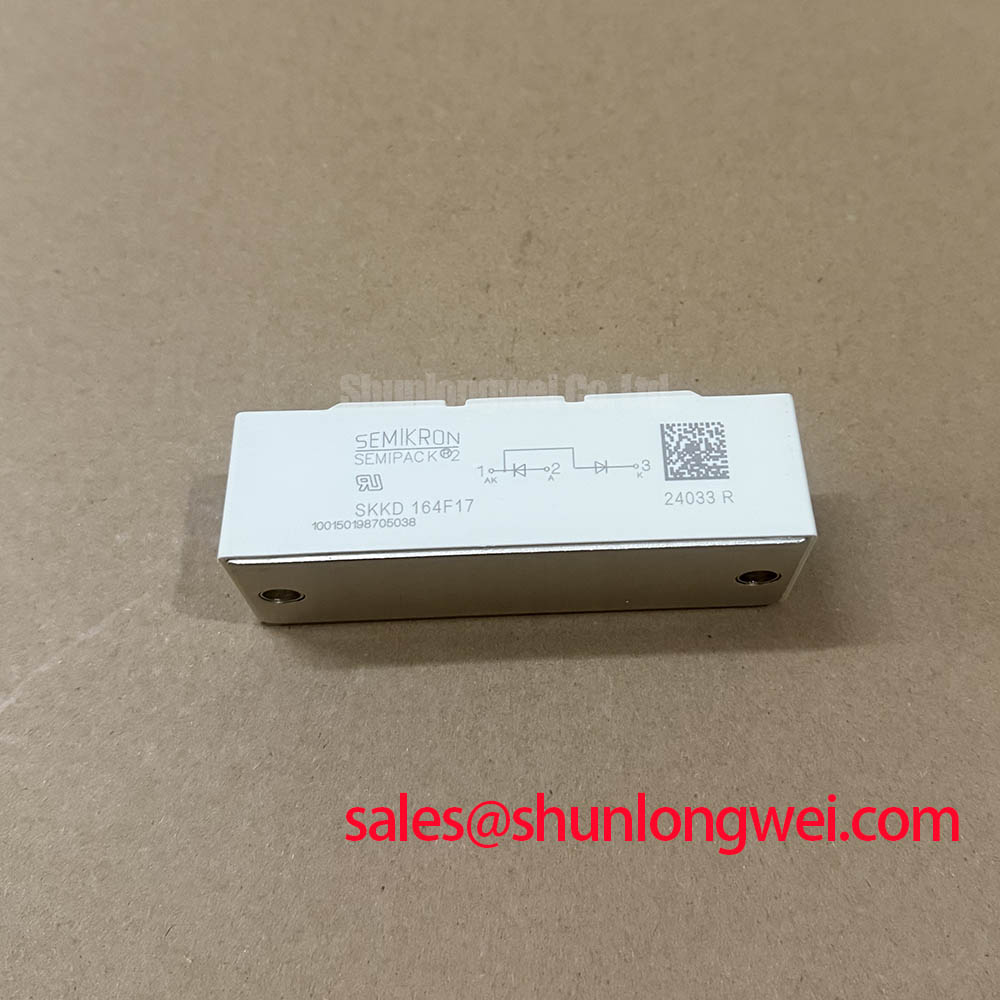
The Semikron SKKD 164F17 is a dual fast recovery diode module engineered for high-frequency power conversion systems. Its primary value is the integration of a high 1700V reverse voltage capability with optimized switching performance, all within the robust, industry-proven SEMIPACK® 2 package. This combination allows for reliable operation in demanding high-voltage circuits while minimizing the thermal load caused by switching losses. The module’s internal design, featuring an isolated baseplate, directly addresses a common engineering challenge by simplifying heatsink mounting and improving overall thermal management.
- Core Specifications: 1700V | 164A (Estimated IFAV) | SEMIPACK® 2 Housing
- Key Advantages: High voltage headroom for system safety, reduced switching losses for improved efficiency.
- Application Focus: Suited for high-frequency inverters and fast-switching power supplies.
Download Official Datasheet (PDF)
Technical Analysis for System Performance
High Blocking Voltage and Reliability
The 1700V repetitive peak reverse voltage (VRRM) is a defining characteristic of the SKKD 164F17. This provides a substantial safety margin for systems operating with high DC bus voltages, such as 800V or 1000V industrial drives and solar inverters. This high VRRM ensures the device can reliably block voltage transients and spikes that occur during switching events, a critical factor for long-term system reliability. The use of hard-soldered joints for the internal connections further enhances its robustness, providing a high tolerance to thermal and power cycling stresses.
Fast Recovery for Switching Efficiency
As a “fast” diode, this module is specified with a low reverse recovery charge (Qrr) and time (trr). These parameters are crucial in high-frequency applications. Think of the reverse recovery charge as the electrical “inertia” of the diode; a lower Qrr means the diode can transition from a conducting to a blocking state much faster. This rapid transition minimizes the time a reverse current flows, directly reducing switching power loss. The result is less heat generation, allowing for smaller heatsinks or higher operational power, which is central to achieving high power density. Explore more about how diode characteristics impact system performance in our guide to soft recovery diodes.
Thermally Efficient SEMIPACK® 2 Package
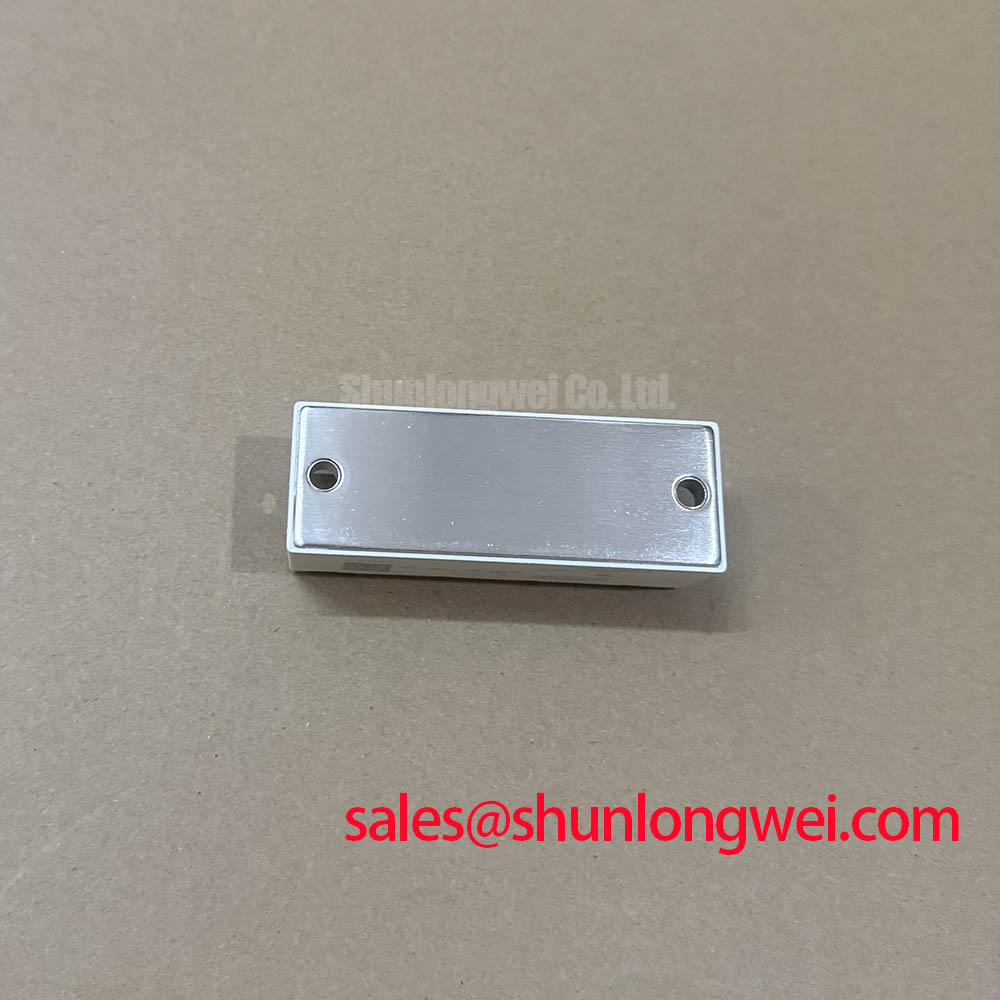
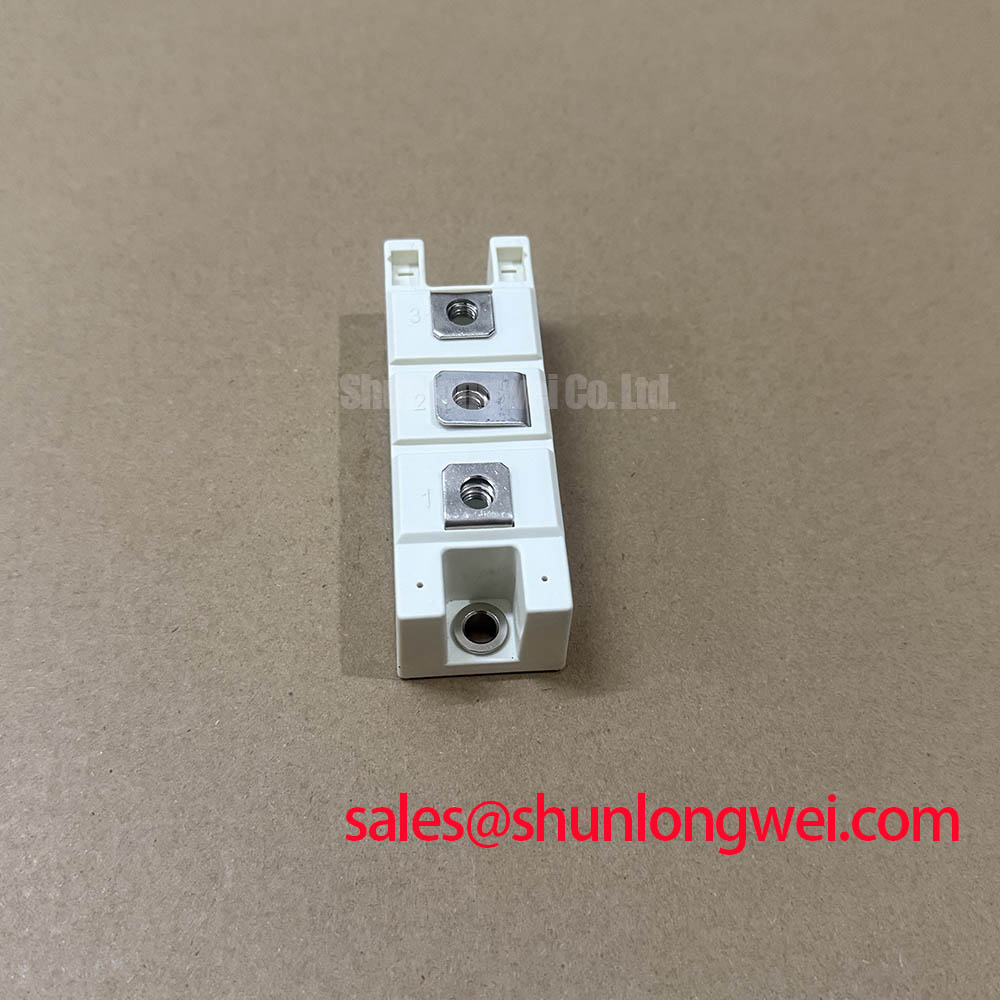
The SKKD 164F17 is built into a SEMIPACK® 2 housing which features a ceramic isolated metal baseplate. This design provides excellent electrical isolation between the semiconductor chips and the mounting surface. For engineers, this eliminates the need for external insulating materials like silicone pads, which often introduce unwanted thermal resistance. The direct, low-resistance thermal path from the module baseplate to the heatsink simplifies assembly and maximizes heat dissipation, a key aspect of effective thermal management.
Optimized Application Scenarios
The specific characteristics of the SKKD 164F17 make it a strong candidate for several demanding power applications:
- Freewheeling Diodes in High-Frequency Inverters: Its fast and soft recovery behavior is ideal for operating alongside high-speed IGBTs, minimizing voltage overshoots and reducing EMI.
- DC-DC Converters and Choppers: The combination of high voltage and fast switching enables higher converter operating frequencies, leading to smaller magnetic components and increased power density.
- Uninterruptible Power Supplies (UPS): The module’s robust thermal performance and high surge current capability ensure reliable operation during critical power backup transitions.
- Welding Power Supplies: It can effectively serve in the output rectifier stage of inverter-based welders, where both high current and fast switching are required.
This module is an optimal match for power systems from 50 to 150 kW where 1700V blocking capability and high switching efficiency are primary design requirements.

Key Specifications of the SKKD 164F17
*(Note: The following values are based on the SKKD 162/17 datasheet, the closest available reference, and should be verified with an official SKKD 164F17 datasheet.)*
| Parameter | Symbol | Value | Unit |
|---|---|---|---|
| Absolute Maximum Ratings | |||
| Repetitive Peak Reverse Voltage | VRRM | 1700 | V |
| Average Forward Current (per diode, Tc=85°C) | IFAV | 162 | A |
| Surge Forward Current (10 ms, Tvj=25°C) | IFSM | 5500 | A |
| I²t Value (10 ms, Tvj=25°C) | I²t | 151000 | A²s |
| Electrical Characteristics | |||
| Forward Voltage (IF=500A, Tvj=25°C) | VF | 1.85 (max) | V |
| Threshold Voltage (Tvj=140°C) | V(TO) | 0.9 (max) | V |
| Thermal and Mechanical Characteristics | |||
| Thermal Resistance, Junction to Case (per diode) | Rth(j-c) | 0.11 (max) | K/W |
| Operating Junction Temperature | Tvj | -40 to +140 | °C |
| Mounting Torque (to heatsink) | Ms | 5 ± 15% | Nm |
Engineer’s FAQ
Q1: What makes the SKKD 164F17 a good choice for a 1700V fast diode in an inverter?
Its 1700V VRRM rating provides a safe operating margin against voltage overshoots on high-voltage DC buses. The ‘F’ designation indicates fast recovery characteristics, which are essential for minimizing switching losses and improving the overall efficiency of high-frequency inverters.
Q2: What is the main benefit of the isolated baseplate?
The isolated baseplate, rated for high isolation voltage (typically >3000V), allows the module to be mounted directly onto a grounded heatsink without needing an additional insulating layer. This simplifies the mechanical design, reduces assembly time, and improves thermal transfer by removing a layer of thermal resistance.
Q3: What are the recommended mounting torque specifications?
Based on datasheets for the SEMIPACK 2 housing, the recommended mounting torque for securing the module to a heatsink is 5 Nm (±15%). For the electrical terminals, it is also typically 5 Nm (±15%). Applying correct torque is critical for ensuring good thermal and electrical contact without causing mechanical stress. For more on this topic, see our analysis of IGBT terminal torque.
Q4: How does the “soft recovery” feature benefit a circuit?
A soft recovery characteristic means the reverse recovery current decays smoothly rather than abruptly. This reduces the rate of change of current (di/dt), which in turn lowers induced voltage ringing and electromagnetic interference (EMI). This leads to a more stable and electromagnetically quieter system.
Concluding Statement
The Semikron SKKD 164F17 provides a high-performance solution for power electronics engineers tasked with designing efficient and reliable high-voltage systems. By combining a 1700V rating with fast, soft recovery performance in a thermally efficient package, this module enables the development of power-dense converters with simplified thermal management and enhanced durability.