Technical Analysis: The Optrex DMF-50773NF-FW-ACE-AI FSTN Industrial Display
Optrex DMF-50773NF-FW-ACE-AI | 5.4″ 240×128 FSTN LCD
Introduction and Core Highlights
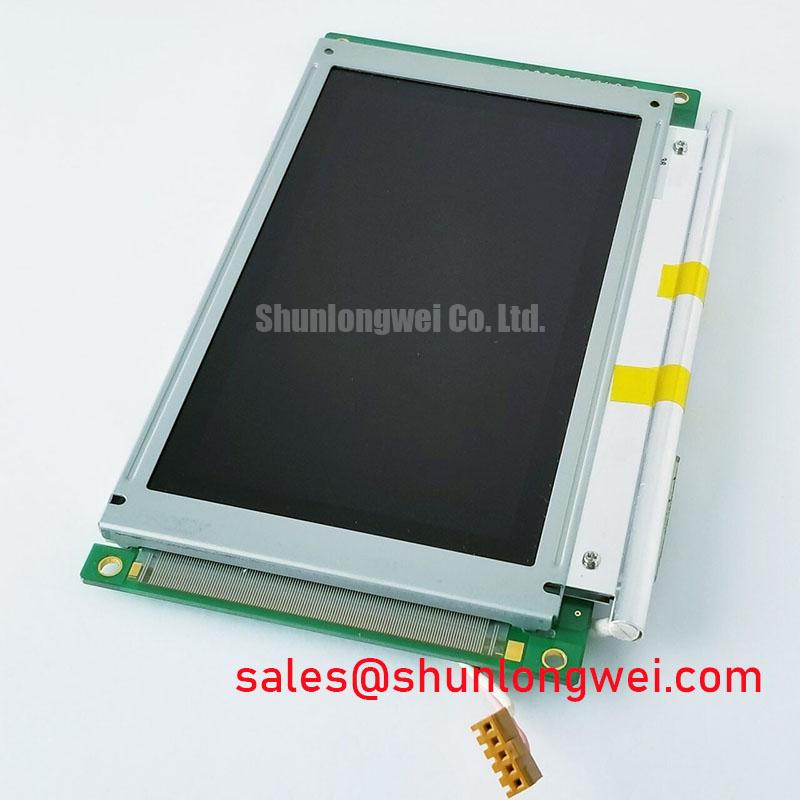
The Optrex (a Kyocera Group company) DMF-50773NF-FW-ACE-AI is a monochrome FSTN graphic LCD module engineered for exceptional clarity and simplified integration into industrial instruments. Its design centers on the widely adopted Toshiba T6963C controller, which provides a robust and familiar interface for engineers. This significantly reduces development time for human-machine interfaces (HMIs) that require clear, reliable graphical and text-based information displays. The Film Super-Twisted Nematic (FSTN) technology ensures a high-contrast, true black-and-white visual output suitable for a variety of lighting conditions.
- Core Specifications: 240×128 Resolution | FSTN Monochrome | Integrated T6963C Controller
- Key Engineering Advantages: Streamlined development with an 8-bit parallel interface and high-level commands, superior readability from wide viewing angles.
Download Official Datasheet (PDF)
Technical Analysis for System Integration
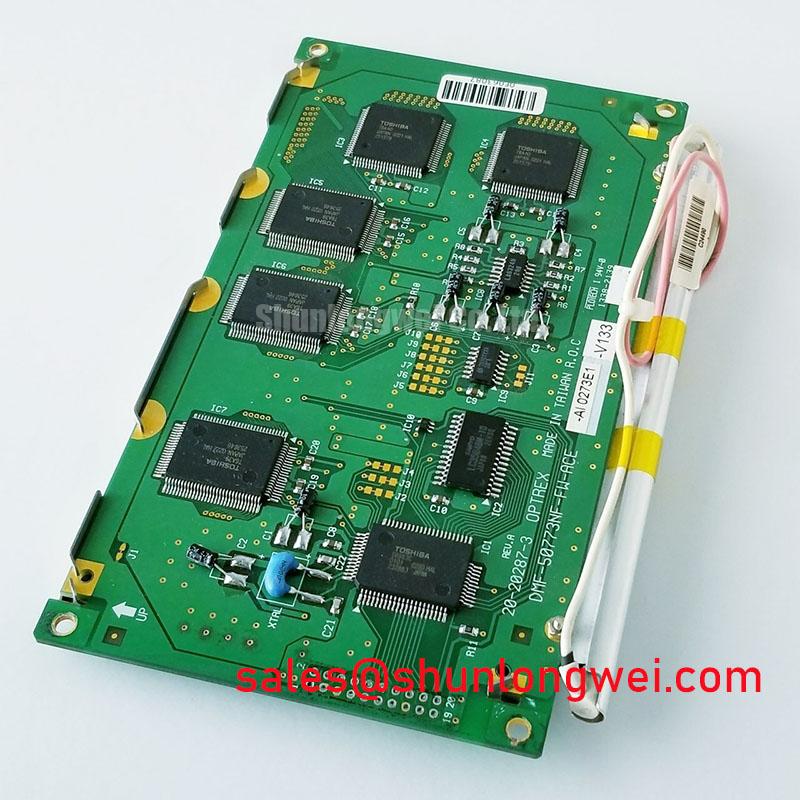
The standout feature of the DMF-50773NF-FW-ACE-AI is its integrated Toshiba T6963C graphics controller. For design engineers, this controller is a significant asset. It manages the display’s frame buffer RAM and interprets high-level commands for drawing text and graphics, offloading these intensive tasks from the host microcontroller. Think of the T6963C as a dedicated graphics co-processor for the display; it handles the complex job of pixel manipulation, allowing the main system processor to focus on its primary functions. This architecture is particularly beneficial in systems with limited processing power, enabling responsive UIs without requiring a high-end MCU.
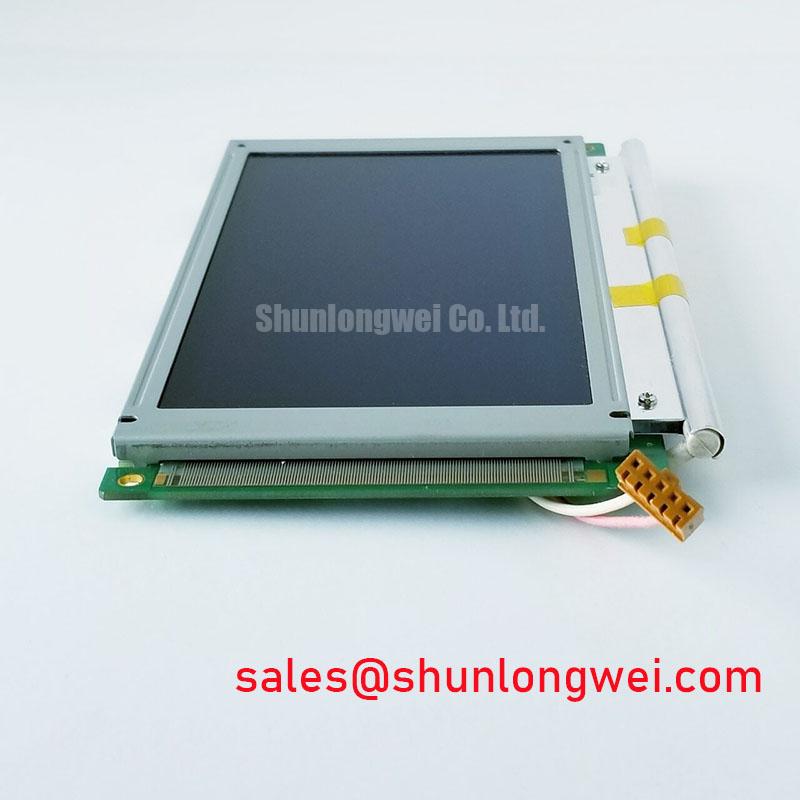
Optical performance is anchored by its Film Super-Twisted Nematic (FSTN) passive-matrix technology. Unlike older STN displays that often had a noticeable blue or yellow color shift, the compensation film in FSTN neutralizes this effect, producing a crisp, high-contrast black-and-white image. This is technically validated by its 10:1 typical contrast ratio. The result is excellent legibility from wider viewing angles, a critical requirement for industrial control panels where operators may not always be positioned directly in front of the screen. Further information on display technologies can be found by exploring LCD core technology.
Optimized Application Scenarios
The specific feature set of the DMF-50773NF-FW-ACE-AI makes it a strong candidate for several demanding applications:
- Industrial Control Panels: The 0°C to 50°C operating temperature and robust construction make it reliable for factory floor HMIs and PLC interfaces.
- Test and Measurement Equipment: Its 240×128 resolution is well-suited for rendering waveforms, system schematics, and precise numerical readouts in benchtop instruments.
- Legacy System Sustainment: The T6963C controller and parallel interface make it a form-fit-function replacement for countless older industrial displays, simplifying repairs and extending equipment life.
- Medical Devices: The clear, unambiguous monochrome display is ideal for vital sign monitors and infusion pumps where data legibility is paramount for operator accuracy.
This module is a prime fit for text-and-graphic-centric HMI designs that demand proven reliability and straightforward hardware/software integration. For more on HMI requirements, see our guide on essential touch and display specifications.
Key Specifications of the DMF-50773NF-FW-ACE-AI
| Parameter Category | Specification | |
|---|---|---|
| Display | Display Type | FSTN-LCD, Monochrome (Black/White), Transmissive |
| Screen Size | 5.4 inches diagonal | |
| Resolution | 240 x 128 pixels | |
| Active Area | 119.97(H) x 63.97(V) mm | |
| Contrast Ratio | 10:1 (Typical) | |
| Electronics | Controller IC | Toshiba T6963C |
| Interface | 8-bit parallel | |
| Logic Supply Voltage (VDD) | 5.0V (Typical) | |
| Backlight | Backlight Type | Cold Cathode Fluorescent Lamp (CCFL) |
| Backlight Lifespan | 15,000 hours (Typical) | |
| Backlight Driver | Not included (External inverter required) | |
| Mechanical & Environmental |
Module Dimensions | 170(W) x 105(H) x 14.0(D) mm (Max) |
| Operating Temperature | 0°C to +50°C | |
| Storage Temperature | -20°C to +60°C | |
Engineer’s FAQ
- What are the interface requirements for the DMF-50773NF-FW-ACE-AI?
- The module requires an 8-bit parallel data bus (D0-D7) and standard control signals associated with the T6963C controller, such as Chip Enable (/CE), Command/Data (C/D), Read (/RD), Write (/WR), and Reset (/RST). These signals are common on most 8/16-bit microcontrollers.
- This display uses a CCFL backlight. What is needed to power it?
- A dedicated, external CCFL inverter is required. The display module itself does not include the high-voltage driver needed to ignite and sustain the cold cathode lamp. The inverter must be sourced separately and matched to the lamp’s specifications.
- What is the function of the VEE power input?
- VEE is the negative voltage supply required for the LCD driving logic. This voltage is critical for generating the proper waveforms to control the liquid crystal elements. An external negative voltage generator circuit is typically needed to supply this voltage, which is specified in the datasheet.
- What are the primary advantages of this FSTN display over a color TFT?
- While a TFT offers full color and video-rate speed, this FSTN module provides superior readability in high-contrast text and simple graphics applications, consumes less power, and is driven by a simpler parallel interface, which reduces system complexity and cost. For more details on display durability, refer to our guide on vibration and shock resistance.
Enabling Robust HMI Design
The combination of an integrated T6963C controller and high-clarity FSTN optical performance makes the DMF-50773NF-FW-ACE-AI a highly effective component. It empowers engineers to design or maintain industrial and medical equipment with a readable, reliable, and easy-to-implement graphical interface. Its architecture ensures long-term viability for systems where clarity and dependability are the primary design drivers.