Technical Review: The AUO B104SN03 V2 10.4″ SVGA Industrial Display
AUO B104SN03 V2 | 10.4″ 800×600 SVGA Industrial Display
Introduction and Core Features
The AUO B104SN03 V2 is a 10.4-inch TFT-LCD module that provides a durable and standardized solution for industrial display applications. It is engineered for straightforward system integration, combining a classic 4:3 aspect ratio with a reliable electrical interface. This display addresses the need for clear, consistent visualization in moderately demanding environments.
- Core Specifications: 800×600 SVGA Resolution | LVDS (1 ch, 6-bit) Interface | 20k Hours Backlight Lifetime (Typ.)
- Key Advantages: Facilitates easy integration into new and legacy systems. Anti-glare surface treatment enhances readability in various lighting conditions.
- Power Profile: The panel’s logic circuit typically consumes 0.76W, making power budget calculations predictable for system designers.
Access the G104SN03 V2 Reference Datasheet (PDF)
Engineered for Clarity and Durability
A display’s performance in an industrial setting is defined by its reliability and readability. The B104SN03 V2 is built around a conventional a-Si TFT-LCD in a normally white, transmissive mode. Its surface is treated with an anti-glare finish and a 3H hard coating. This combination is crucial for reducing specular reflections from overhead factory lighting, ensuring that operators can clearly read data without visual interference.
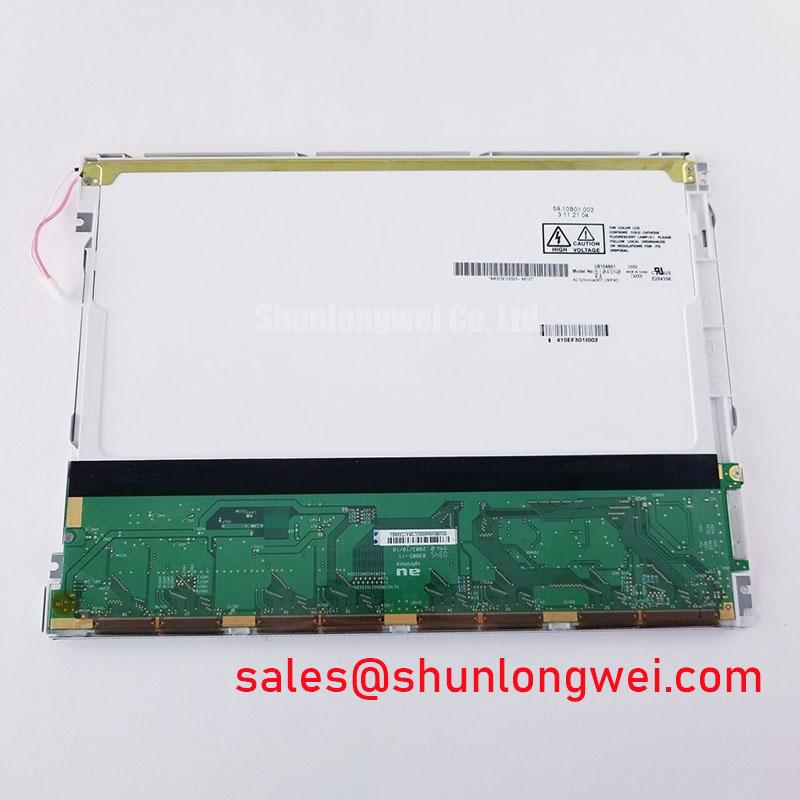
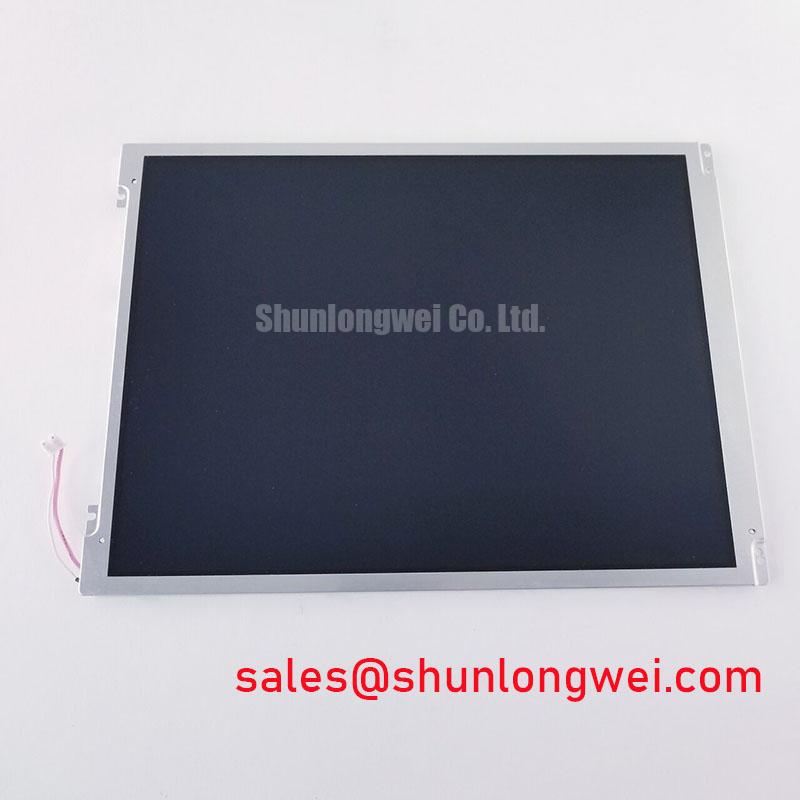
The panel’s mechanical structure is designed for resilience. It is rated to withstand a vibration level of 1.5G (14.7 m/s²), a key parameter for equipment that may be subject to mechanical shock or constant movement. Think of the display’s vibration resistance as the suspension system in a vehicle; it’s designed to absorb operational stresses and maintain integrity over its service life, contributing to a lower total cost of ownership for the end equipment.
Streamlined System Integration
The B104SN03 V2 utilizes a Low-Voltage Differential Signaling (LVDS) interface. This 1-channel, 6-bit configuration is a widely adopted standard in industrial systems. It simplifies the connection between the display and the system’s main board, requiring fewer conductors compared to older TTL interfaces. This not only reduces cable complexity and cost but, more importantly, enhances noise immunity—a critical factor for maintaining signal integrity in electrically noisy industrial environments. The specified 3.3V driving voltage is a common logic level, simplifying power rail design for engineers.
Optimized Application Scenarios
The specific feature set of the B104SN03 V2 makes it a suitable candidate for several industrial use cases.
- Human-Machine Interfaces (HMI): The 800×600 resolution on a 10.4″ screen provides sufficient pixel density for clear graphical user interfaces and process diagrams.
- Industrial Control Terminals: Its anti-glare surface and robust mechanical design ensure reliable operation on the factory floor.
- Test & Measurement Equipment: The standard LVDS interface ensures a stable and clean signal for displaying precise data.
- Legacy System Maintenance: The common form factor and resolution make it an effective replacement part for aging industrial panels, extending the life of existing machinery.
This module is best matched for applications prioritizing proven technology and mechanical compatibility over cutting-edge optical performance.
Key Technical Specifications
| Parameter | Specification |
|---|---|
| Screen Size | 10.4 inch |
| Resolution | 800(RGB)×600 [SVGA] 96 PPI |
| Display Technology | a-Si TFT-LCD, LCM, Normally White, Transmissive |
| Outline Dimensions | 236(W) × 174.3(H) × 7.7(D) mm |
| Active Area | 211.2(W) × 158.4(H) mm |
| Interface Type | LVDS (1 ch, 6-bit), 20-pin Connector |
| Logic Power Supply (VDD) | 3.3V (Typ.) |
| Backlight System | 1 pcs CCFL, 20,000 hours (Typ.) |
| Operating Temperature | 0 ~ 50 °C |
| Storage Temperature | -20 ~ 60 °C |
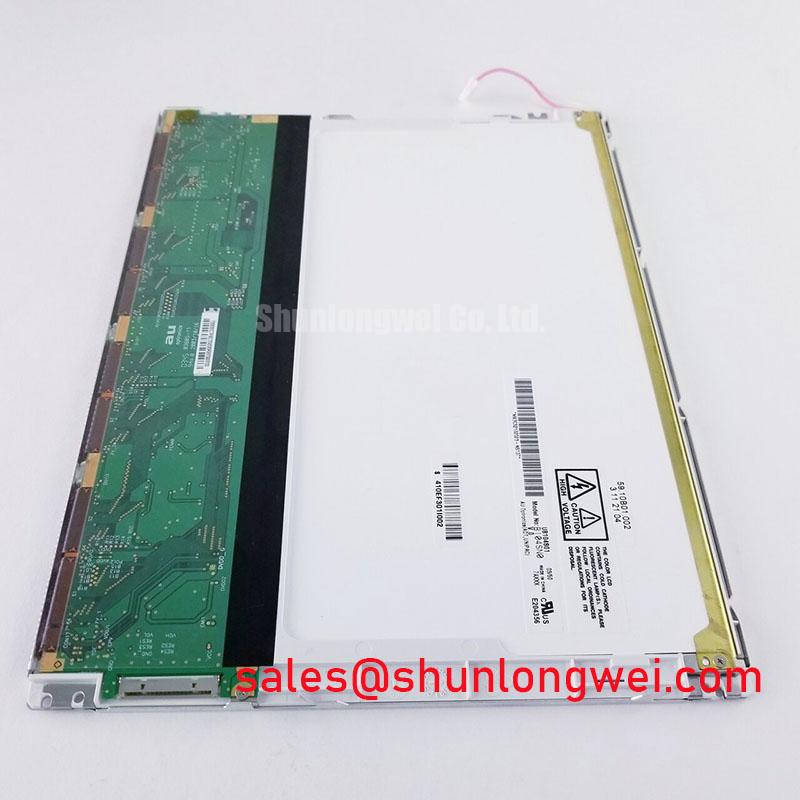
Engineer’s FAQ
1. What is the required input signal configuration for the B104SN03 V2?
The module accepts a standard LVDS signal. The interface is a single channel, 6-bit configuration, which supports a palette of 262,144 colors. This setup is common for SVGA resolution displays and is well-documented in many graphics controller datasheets.
2. How does this display handle challenging industrial environments?
The B104SN03 V2 is specified to operate in temperatures from 0 to 50°C and can withstand a vibration of 1.5G. Its anti-glare and 3H hard-coat surface protects the polarizer and improves readability. These features make it suitable for control rooms and factory floor applications where conditions are stable but subject to vibration and ambient light.
3. What are the design considerations for the CCFL backlight?
The Cold Cathode Fluorescent Lamp (CCFL) backlight has a typical lifetime of 20,000 hours. Unlike modern LED systems, a CCFL requires an external high-voltage inverter to operate. System designers must account for the space and power requirements of this inverter and consider the eventual need for backlight replacement in long-life applications. Explore our resources on proactive backlight management for more insight.
4. Are there any special power sequencing requirements?
Yes, as with most TFT-LCDs, a proper power sequence is important to prevent damage. The logic supply voltage (VDD) should be applied and stable before the LVDS signals are sent to the panel. The backlight should only be turned on after the panel is displaying a stable image. Referencing the detailed timing diagrams in the datasheet is essential during the design phase.
Enabling Reliable Industrial Systems
The AUO B104SN03 V2 provides a dependable display foundation for systems that require proven, long-term performance. Its adherence to standard mechanical and electrical interfaces minimizes design risks and simplifies the supply chain. For engineers developing or maintaining equipment with a 10.4-inch SVGA requirement, this module delivers a well-documented and reliable visualization component.