Toshiba LTM08C342F: A Robust Display for Demanding Industrial Environments
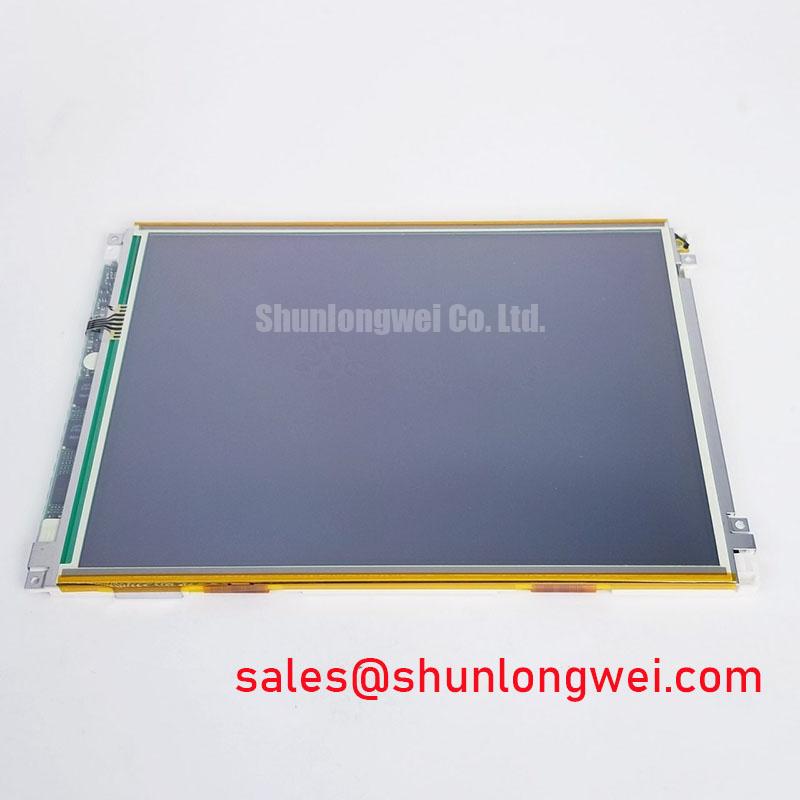
Toshiba LTM08C342F 8.4″ SVGA Industrial TFT-LCD Module
Engineered for Longevity in Demanding Industrial Environments
The Toshiba LTM08C342F is an 8.4-inch amorphous silicon (a-Si) TFT-LCD module delivering proven performance for industrial human-machine interfaces (HMIs) and control systems. Its core value proposition is sustained operational reliability, supported by a wide operating temperature range and a long-life, field-serviceable backlight system. This display provides a stable platform for systems requiring clear, consistent visual output over extended product lifecycles.
- Core Specifications: 8.4-inch Diagonal | 800×600 SVGA Resolution | LVDS Interface
- Key Advantages: Wide operating temperature range (-10°C to +65°C), high-contrast anti-glare display, and a user-replaceable CCFL backlight unit.
- Design Application: This module’s robust thermal performance makes it suitable for deployment in non-climate-controlled factory floors or enclosed instrument panels.
Access the LTM08C342F Specification Sheet

Technical Analysis for System Integration
The LTM08C342F’s primary engineering benefit is its operational resilience. The specified operating temperature range of -10°C to +65°C allows for integration into systems deployed in environments without consistent climate control, such as factory floors, warehouses, or outdoor-housed terminals. Think of this thermal tolerance as an operational envelope; it ensures consistent performance whether the system is starting up on a cold morning or running continuously in a warm, enclosed cabinet. This broad range is a key differentiator from commercial-grade displays, reducing the need for complex external heating or cooling systems. For further insights into thermal design, explore our resources on thermal management for industrial display reliability.
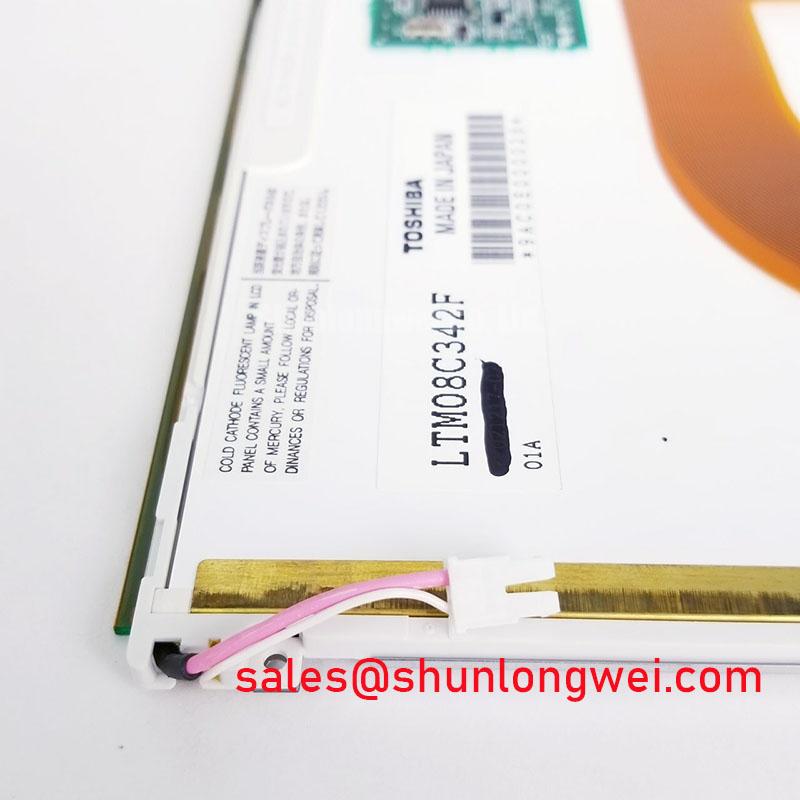
Another critical feature for long-term deployments is the display’s backlight architecture. The LTM08C342F utilizes a single Cold Cathode Fluorescent Lamp (CCFL) with a typical lifespan of 50,000 hours. Crucially, this component is designed to be user-replaceable. This serviceability is paramount for industrial equipment, where the display module is often a component in a larger, more expensive system. The ability to replace a worn-out backlight in the field significantly extends the overall service life of the HMI or instrument, maximizing return on investment and minimizing downtime. This approach is a cornerstone of engineering for extreme reliability.
Optimized Application Scenarios
The LTM08C342F is specified for applications where proven technology and long-term availability are prioritized over cutting-edge resolutions or form factors.
- Industrial HMI Panels: The 800×600 resolution is ideal for displaying schematics, process controls, and diagnostic information with clarity. The anti-glare surface minimizes reflections from overhead factory lighting.
- Test and Measurement Equipment: Its robust construction and stable performance across a wide temperature range ensure reliable data visualization in lab or field environments.
- Medical Monitoring Systems: The 300:1 contrast ratio provides clear differentiation for vital signs and waveforms, a critical requirement for patient monitoring equipment.
- Legacy System Sustainment: As a drop-in replacement for other 8.4″ SVGA LVDS panels, it offers a path to extend the life of existing systems where a complete redesign is not feasible.
This module is best suited for systems requiring proven SVGA resolution, long-term reliability, and serviceability in variable temperature environments.
Key Specifications of the LTM08C342F
| Feature | Specification |
|---|---|
| Screen Size | 8.4 inches (21.3 cm) |
| Display Technology | a-Si TFT Active Matrix, Transmissive |
| Resolution | 800 (RGB) x 600 [SVGA] |
| Active Area | 170.4 (H) x 127.8 (V) mm |
| Luminance | 220 cd/m² (Typical) |
| Contrast Ratio | 300:1 (Typical) |
| Interface | LVDS (1 channel, 6-bit) |
| Backlight | 1 pc CCFL, 50,000 hours (Typ.), Replaceable |
| Operating Temperature | -10 ~ 65 °C |
| Storage Temperature | -20 ~ 70 °C |
| Surface Treatment | Anti-glare |
Engineer’s Frequently Asked Questions
1. What are the main factors to consider when using the LTM08C342F as a replacement for an older 8.4″ SVGA display?
When retrofitting, engineers must verify three key areas. First, confirm the mechanical dimensions (199.5 x 149.5 x 11.0 mm) and mounting hole locations. Second, ensure the pinout of your system’s LVDS cable matches the 20-pin connector specification in the datasheet. Finally, verify that your existing backlight inverter provides the necessary voltage and current for the CCFL lamp.
2. How is the CCFL backlight replaced on this module?
The datasheet indicates a user-replaceable backlight system. Typically, this involves detaching the lamp cassette from the rear of the module, disconnecting the lamp cable from the inverter, and installing the new unit. This design is crucial for maintenance in industrial settings, extending the display’s usable lifespan well beyond the backlight’s 50,000-hour rating.
3. Does the LVDS interface on the LTM08C342F support a wide color gamut?
The module specifies a 6-bit LVDS interface, which supports 262,144 colors. This is standard for industrial displays of this class and is well-suited for typical HMI applications, but it does not support a wide color gamut like those found in modern 8-bit or 10-bit multimedia displays. For deeper technical discussions, see our articles on LCD core technology.
4. What kind of power supplies are needed for this display?
The module requires two main power inputs as per the datasheet. A +3.3V supply is needed for the TFT-LCD panel logic. A separate high-voltage AC source, provided by an external inverter (not included), is required to drive the CCFL backlight.
Enabling System Longevity
The LTM08C342F provides a robust and reliable display solution. Its foundation in proven a-Si TFT technology, combined with a wide operational temperature range and a field-replaceable backlight, empowers engineers to design and maintain industrial systems with confidence in their visual interface. This focus on durability and serviceability ensures consistent performance for the long term.