Toshiba TLX-5071-C3M 240×64 Monochrome Graphic LCD Module: Technical Overview and Integration Guide
Toshiba TLX-5071-C3M 240×64 Monochrome Graphic LCD Module
Introduction and Core Highlights
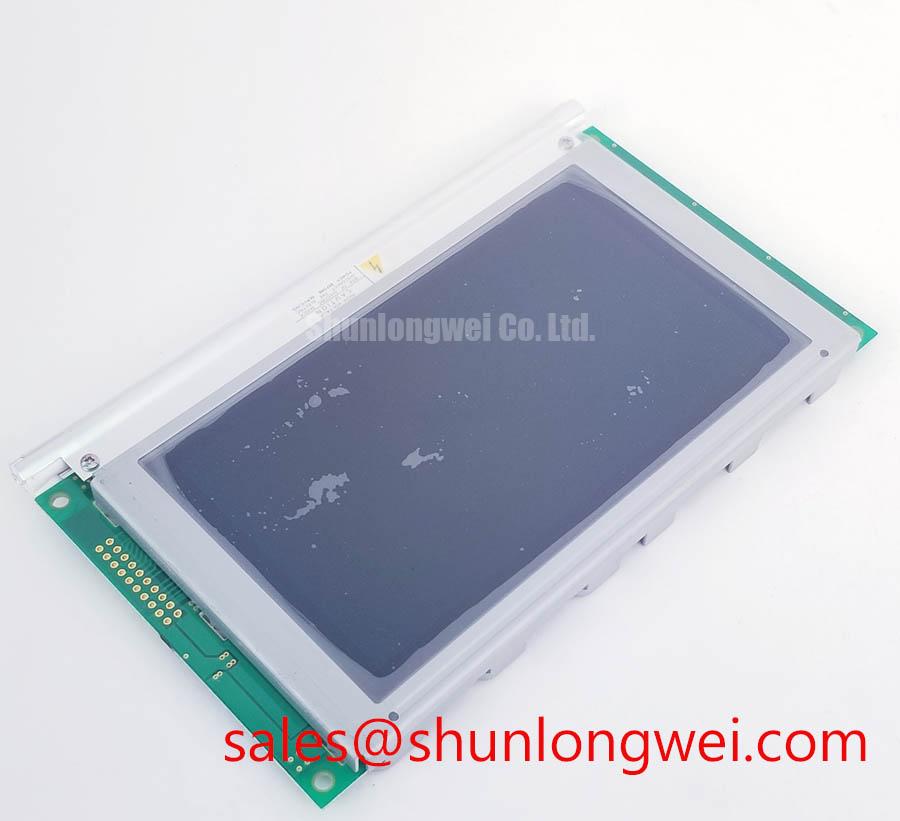
The TLX-5071-C3M toshiba LCD is a 240×64 dot matrix STN monochrome graphic display module engineered to deliver clear visual data in legacy industrial control environments. This display simplifies hardware integration by utilizing a built-in graphics controller and integrated RAM, reducing the hosting CPU’s rendering overhead. By eliminating the need for constant display refreshing, the module maintains form-factor and interface continuity for drop-in replacements in aging HMI systems.
- Core Specifications: 240×64 Pixels | STN Monochrome | 8-bit Parallel Interface
- Key Engineering Benefits: Preserves main processor bandwidth and simplifies retrofitting projects.
Addressing legacy interface differences is crucial during system updates. Engineers can consult our technical overview on cross-brand LCD driver IC migration to streamline the software adaptation process.


Technical Analysis of Display Architecture
The STN (Super-Twisted Nematic) liquid crystal structure in the TLX-5071-C3M toshiba LCD provides a significant technical advantage over standard TN displays. By twisting the liquid crystal molecules up to 240 degrees instead of 90, STN displays achieve a steeper electro-optical threshold. This enables a higher multiplexing rate, allowing the 240×64 grid to display complex text and graphics without severe degradation of the contrast ratio. For harsh industrial environments, this ensures that status messages remain legible from off-center viewing angles.
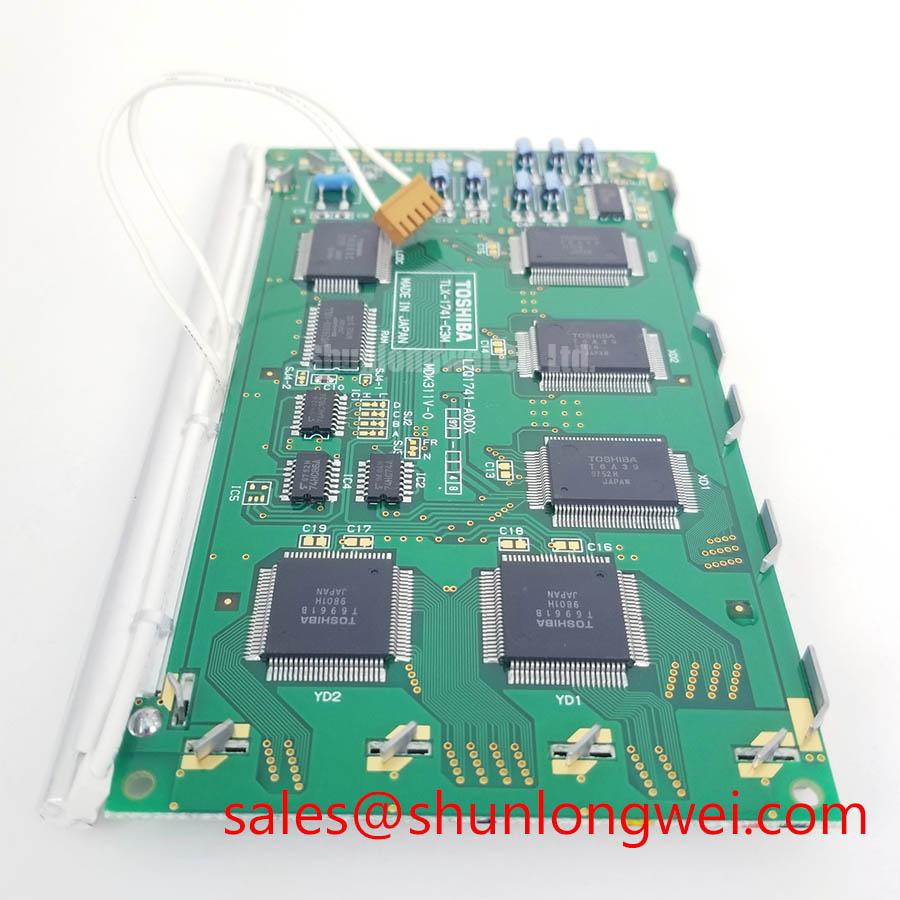
Another core design feature is the integrated display controller and dedicated video RAM. Think of this built-in RAM as a local whiteboard inside the display. Instead of the main system CPU continuously redrawing every pixel on the screen sixty times a second, it simply updates the data on the local whiteboard when a change occurs. The display’s internal controller continually refreshes the screen from this local memory, allowing the main processor to focus on critical industrial control loops. For more information on display technologies, visit our category page on LCD core technology.
In cold climates, liquid crystal response times slow down significantly. When deploying this display in sub-zero environments, implementing external heating elements or software compensation routines may be necessary. For detailed logic timing and voltage levels, refer to the official manufacturer resources available via Toshiba’s official portal.
Optimized Industrial Applications
- CNC Machinery HMIs: The 8-bit parallel interface allows direct bus coupling to legacy microprocessors, simplifying drop-in retrofits.
- Power Supply Control Panels: The monochrome STN technology maintains visual clarity in environments with high electromagnetic interference.
- Marine Instrument Displays: High-contrast graphic rendering guarantees readability under varying outdoor ambient light conditions.
- Factory Automation PLCs: The robust construction withstands continuous operation in high-vibration electrical cabinets.
Best-Fit Conclusion: The Toshiba TLX-5071-C3M is best matched for industrial HMI retrofits requiring parallel bus control and highly stable legacy display form factor continuity.
Key Specifications Table
| Absolute Maximum Ratings | |
|---|---|
| Supply Voltage (VDD – VSS) | 0V to 7.0V |
| Input Voltage (VIN) | -0.3V to VDD + 0.3V |
| Electrical & Optical Characteristics (Ta = 25°C) | |
| Resolution | 240 x 64 pixels |
| Display Type | STN Monochrome Graphic LCD |
| Interface Type | 8-bit Parallel (8080/6800 compatible) |
| Controller Type | T6963C (Integrated) |
| Thermal & Mechanical Specifications | |
| Operating Temperature Range | 0°C to +50°C |
| Storage Temperature Range | -20°C to +60°C |
Engineer FAQ
Q1: How do I interface the TLX-5071-C3M toshiba LCD with modern 3.3V microcontrollers?
A1: The TLX-5071-C3M operates on a nominal 5V logic supply. Interfacing with 3.3V microcontrollers requires logic-level shifters on the data bus and control lines (WR, RD, CE, RST) to prevent logic level mismatch or electrical overstress.
Q2: Does this module require an external negative voltage source for contrast adjustment?
A2: Yes. STN displays like the TLX-5071-C3M toshiba LCD require a negative bias voltage (VEE) for liquid crystal driving. This voltage is applied to the V0 pin via a potentiometer connected to the negative voltage supply line.
Q3: What backlight technology does the TLX-5071-C3M use?
A3: This variant utilizes a CCFL (Cold Cathode Fluorescent Lamp) backlight. Driving the backlight safely requires an external high-voltage AC inverter, typically generating 250V to 350V AC at 30-50 kHz.
Closing Statement
The TLX-5071-C3M toshiba LCD provides system designers with a reliable, integrated graphical display platform that minimizes processing overhead in critical controls. By combining an STN panel with a local memory controller, it ensures long-term operational stability and straightforward integration for legacy system sustainment.