Vicor V375C8T100BL: High-Efficiency 375V to 8V 100W DC-DC Power Conversion Solution
Vicor V375C8T100BL | 375V Input 8V Output 100W DC-DC Converter
Engineered Efficiency in High-Voltage DC Distribution
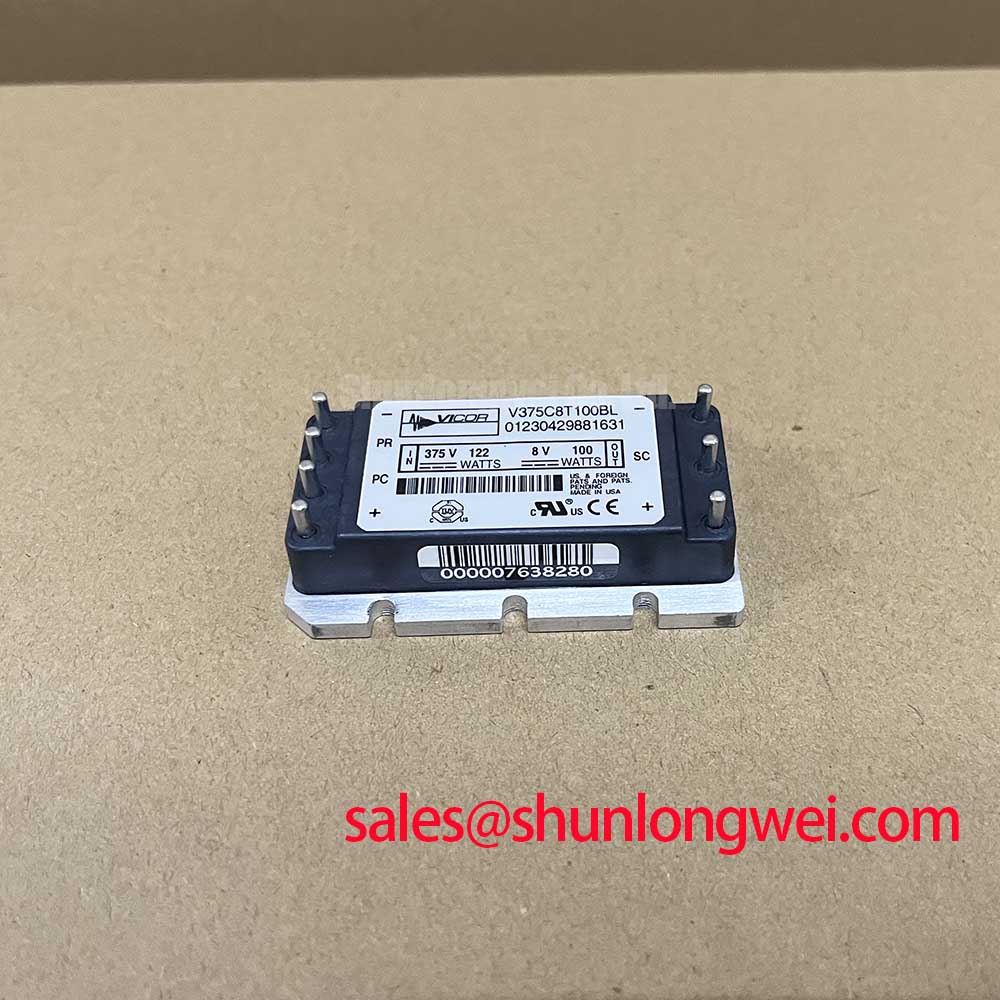
The V375C8T100BL represents a sophisticated power conversion solution within the Vicor Micro Family, specifically optimized for high-voltage DC infrastructure. This module leverages a proprietary Zero-Current Switching (ZCS) and Zero-Voltage Switching (ZVS) topology to deliver 100 Watts of regulated power in a significantly reduced footprint. By converting a nominal 375VDC input into a precise 8VDC output, it addresses the technical requirements of distributed power architectures where high-density and thermal resilience are non-negotiable parameters.
- Core Specifications: 375VDC Input Range (250V–425V) | 8VDC Output | 100W Rated Power
- Key Advantages: High power density of 60 Watts per cubic inch and reduced electromagnetic interference (EMI) through soft-switching.
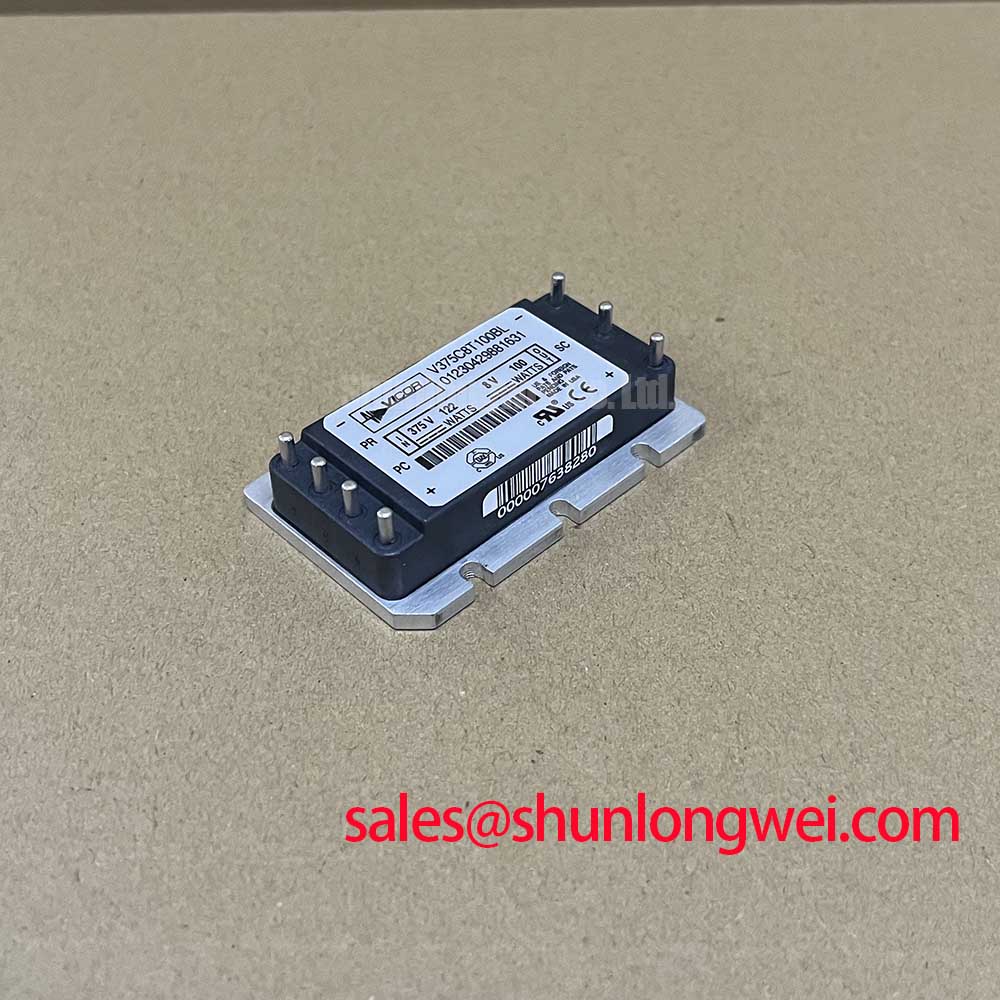
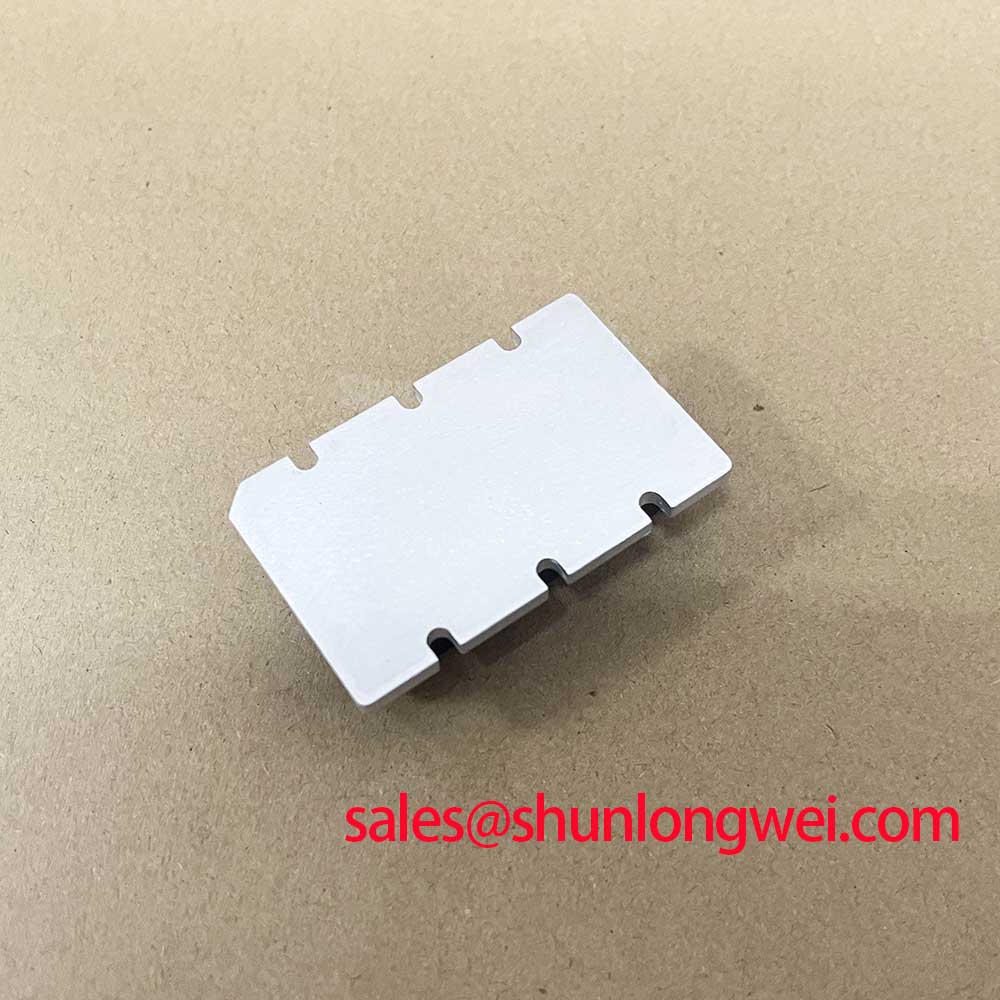
For engineers asking how to manage thermal loads in high-density 375V converters, the V375C8T100BL provides an integrated thermal baseplate designed to facilitate efficient heat transfer to external sinks, ensuring stability in constrained environments.
Download Official V375C8T100BL Datasheet (PDF)
Advanced ZCS/ZVS Technical Analysis
The fundamental technical differentiator of the V375C8T100BL is its departure from traditional pulse-width modulation (PWM) switching. Traditional hard-switching converters experience significant energy loss during the transition phase when both voltage and current are present on the switching element. In contrast, Vicor’s ZCS/ZVS architecture ensures that switching occurs only when current or voltage is at zero. This minimizes the “overlap” that generates heat and electrical noise.
To understand the engineering impact, one can compare the switching process to a relay racer handing off a baton. In a hard-switching system, the hand-off is jarring, causing both runners to lose momentum and energy. In a ZCS/ZVS system like the V375C8T100BL, the hand-off happens when both runners are perfectly synchronized in speed and position; there is no friction or lost energy, allowing the system to run cooler and faster.
This efficiency directly translates to a lower thermal management requirement. Furthermore, with an isolation rating of 3,000 Vrms from input to output, the module provides the robust safety barrier required for high-voltage DC industrial applications. The 375V input range is specifically tailored for rectified AC line inputs or 384VDC battery systems common in modern data centers and telecommunications hubs.
Optimized Application Scenarios
The V375C8T100BL is particularly effective in environments where reliability and noise suppression are prioritized. Its technical characteristics make it suitable for:
- Distributed Power Architectures: Utilizing high-voltage DC buses to reduce distribution losses while maintaining local regulation.
- Off-line Power Systems: Ideal for systems requiring Power Factor Correction (PFC) followed by isolated DC-DC stages.
- Industrial Automation: Powering 8V logic or sensor arrays from a centralized high-voltage DC source.
- Battery-Backed Infrastructure: Seamlessly integrating with 384V nominal battery stacks for uninterruptible power.
The V375C8T100BL is a data-validated match for high-voltage DC distribution systems requiring 100W regulation within a compact, isolated Micro-brick footprint.

Key Specifications Table
| Parameter Group | Specification | Value |
|---|---|---|
| Input Characteristics | Nominal Input Voltage | 375 VDC |
| Input Voltage Range | 250 – 425 VDC | |
| Input Surge (100ms) | 500 VDC | |
| Output Characteristics | Output Voltage | 8 VDC |
| Output Power | 100 W | |
| Efficiency (Full Load) | 82.3% (Typical) | |
| Environmental/Physical | Operating Temp (T-Grade) | -40°C to +100°C |
| Dimensions | 2.28 x 1.45 x 0.5 in |
Engineer FAQ
Q1: What are the primary thermal management considerations for the V375C8T100BL?
A: Given its 100W output in a micro-size package, the use of isolated baseplates and high-quality thermal interface materials is critical. The module should be mounted to a heat sink or a cold plate to maintain the baseplate temperature below 100°C during full-load operation.
Q2: Can this module be paralleled for higher power output?
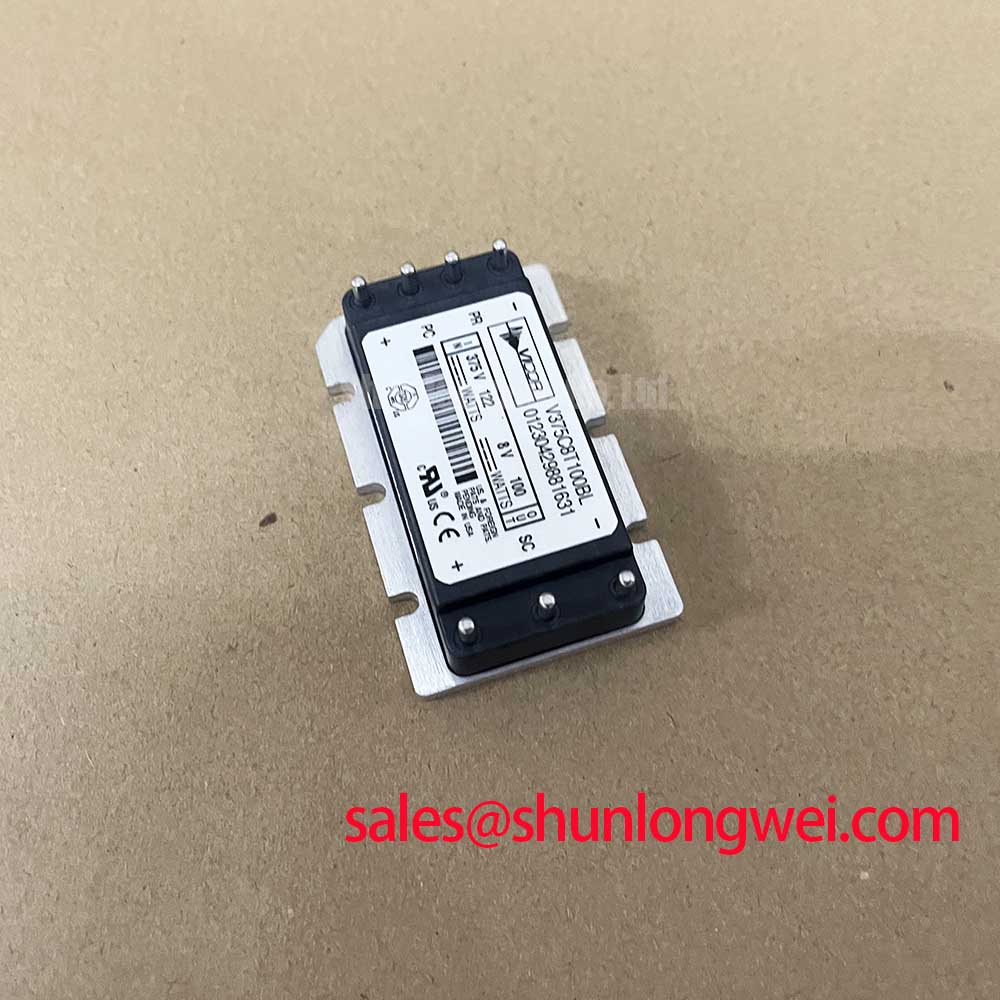
A: Yes. Vicor Micro Family modules feature a PR (Parallel) pin. When configured in a parent-child arrangement, multiple V375C8T100BL units can share the load, allowing for scalable power systems while maintaining consistent regulation and transient response.
Q3: How does the soft-switching technology affect the system’s EMI profile?
A: The ZCS/ZVS architecture significantly reduces high-frequency harmonic content compared to hard-switching PWM converters. This simplifies the input filter design and reduces the risk of noise interference with sensitive downstream industrial logic or communication interfaces.
Utilizing the V375C8T100BL enables engineers to achieve high-efficiency power conversion within demanding high-voltage DC environments. By integrating soft-switching technology with a robust thermal design, this converter serves as a reliable building block for modern distributed power architectures.