NL8060BC21-11F: A Technical Review of a High-Brightness Industrial Display
NL8060BC21-11F 8.4″ SVGA High-Brightness Industrial LCD
Introduction and Core Highlights
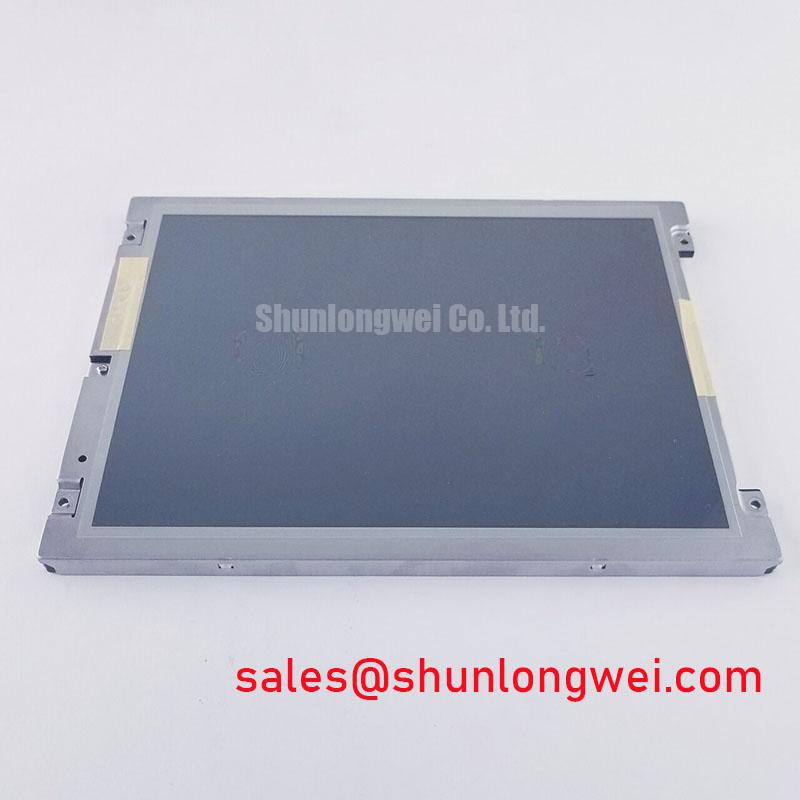
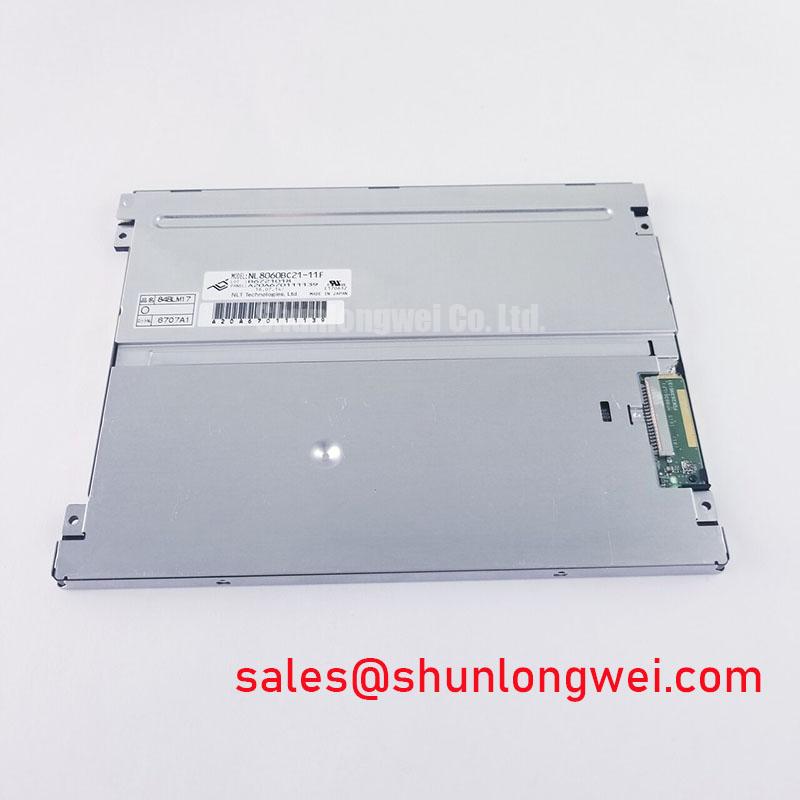
The NL8060BC21-11F is an 8.4-inch amorphous silicon TFT-LCD module engineered for exceptional image clarity in high ambient light and demanding industrial environments. Its standout feature is a powerful backlight system that delivers high luminance, ensuring screen readability without compromising on operational longevity. The module’s standard SVGA resolution and LVDS interface make it a straightforward upgrade for many existing systems, reducing redesign efforts.
- Core Specifications: 8.4-inch Diagonal | 800×600 SVGA | 800 cd/m² Brightness
- Key Advantages: Excellent readability in bright conditions, robust performance across a wide temperature range.
- Primary Application Focus: Industrial controls, HMI panels, and test equipment.
Download the Official NL8060BC21-11F Datasheet (PDF)
Technical Analysis for System Integration
The engineering value of the NL8060BC21-11F is centered on its visual performance and environmental resilience. A typical luminance of 800 cd/m² provides the necessary intensity for clear image reproduction in environments where direct or indirect sunlight, or strong overhead factory lighting, would render standard displays unreadable. This high brightness is coupled with a 1000:1 contrast ratio, ensuring that graphics, text, and data retain their sharpness and color definition.
The module’s operational robustness is defined by its wide operating temperature range of -30°C to +80°C. This specification is critical for equipment deployed in non-climate-controlled settings, such as outdoor kiosks, vehicle cabins, or manufacturing floors. Think of this temperature range as the display’s operational envelope; a wider envelope, like that of the NL8060BC21-11F, reduces the need for external heating or cooling systems. This simplifies the overall mechanical design and lowers the total cost of ownership. For more on this topic, see our guide to engineering displays for extreme environments.
Optimized Application Scenarios
The specific parameters of this display make it a strong candidate for several industrial and specialized applications:
- Industrial HMI Panels: The 800-nit brightness and wide viewing angles (80° in all directions) ensure that operators can clearly read machine status and controls from various positions on the factory floor.
- Marine Chart Plotters: High brightness is essential for readability on a ship’s bridge, where intense sunlight is common. The wide temperature range also handles the challenging environmental conditions at sea.
- Test and Measurement Equipment: The SVGA resolution is well-suited for displaying waveforms and measurement data with clarity, while its rugged design ensures reliability in field or lab use.
- Legacy System Retrofits: The 8.4-inch SVGA format has been an industrial standard, making the NL8060BC21-11F a viable drop-in replacement or upgrade for aging systems, often with significant gains in brightness and reliability.
Its combination of high brightness, temperature resilience, and standard interface makes it a prime candidate for both new designs and legacy system upgrades.


Key Specifications of the NL8060BC21-11F
| Core Module Specifications | |
|---|---|
| Manufacturer | Tianma (formerly NEC) |
| Panel Size | 8.4 inches |
| Resolution | 800(RGB)×600 [SVGA] |
| Active Area | 170.4(H) × 127.8(V) mm |
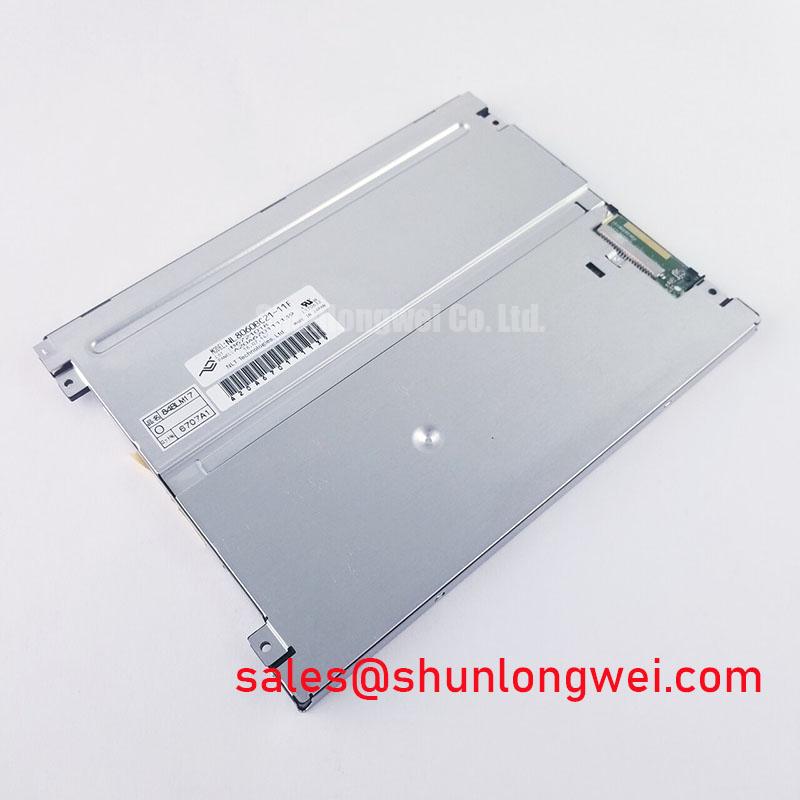
| Module Size | 200.0(W) × 152.0(H) × 8.7(D) mm (Max.) |
| Technology | a-Si TFT-LCD, Transmissive |
| Optical & Electrical Characteristics | |
| Luminance | 800 cd/m² (Typ.) |
| Contrast Ratio | 800:1 (Typ.) |
| Viewing Angle | 80/80/80/80 (Typ.)(CR≥10) |
| Interface | LVDS (1 ch, 6/8-bit) |
| Supply Voltage | 3.3V (Typ.) |
| Backlight | WLED, 70,000 hours (Typ.) |
| Environmental Ratings | |
| Operating Temperature | -30°C to 80°C |
| Storage Temperature | -30°C to 80°C |
Engineer’s FAQ
1. What are the key factors when upgrading from an older 8.4″ SVGA display to the NL8060BC21-11F?
Three primary areas require verification. First, confirm the LVDS connector pinout matches your existing system; this model uses a standard 20-pin configuration. Second, ensure your system provides a stable 3.3V power supply for the panel logic. Finally, check the mechanical dimensions (200.0 x 152.0 x 8.7 mm) to ensure a proper fit within your enclosure.
2. How should thermal management be handled for this high-brightness display in a sealed enclosure?
The NL8060BC21-11F consumes approximately 5.0W of power, primarily from its LED backlight. In a sealed, fanless enclosure, it is crucial to establish a thermal path from the display’s metal chassis to the enclosure’s housing. Using thermal gap pads can facilitate this heat transfer, preventing the module from exceeding its 80°C maximum operating temperature. For further insights, explore thermal management for display reliability.
3. Is the LED backlight replaceable?
Yes, the datasheet for the NL8060BC21-11F specifies that the LED backlight is a replaceable component. This is a significant advantage for long-life industrial applications, as it allows for field service to restore original brightness levels after extended use, thereby increasing the system’s overall lifespan. Details on the replacement part can be found in the manufacturer’s documentation.
4. Can this display’s input be configured for both 6-bit and 8-bit color depth?
Yes, the LVDS interface is selectable for either 6-bit (262,144 colors) or 8-bit (16.7 million colors) digital RGB data. This flexibility allows engineers to match the display’s color depth to the capabilities of their graphics controller, making it adaptable to a wider range of host systems.
Enabling System Reliability and Clarity
The NL8060BC21-11F offers a robust and high-performance display solution for systems that cannot afford to compromise on readability or durability. By integrating high brightness with an extended operational temperature range and a long-life, serviceable backlight, this module provides the foundational components necessary for engineers to build dependable and user-friendly interfaces that perform consistently across challenging industrial environments.