AUO B104SN03 V0: Slim 10.4-Inch Industrial SVGA LCD Panel Specifications and Overview
B104SN03 V0 AUO 10.4-Inch Industrial SVGA LCD Panel Specs
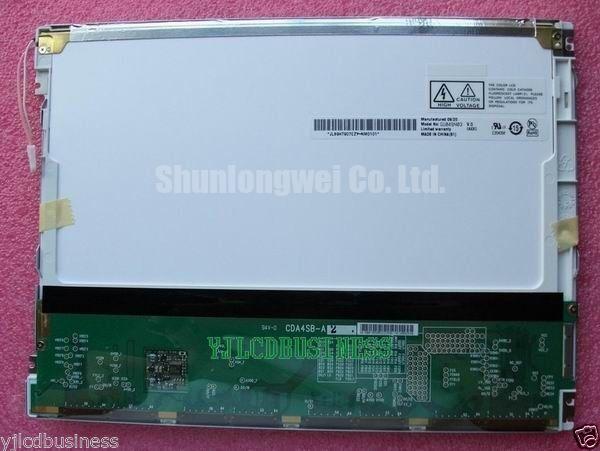
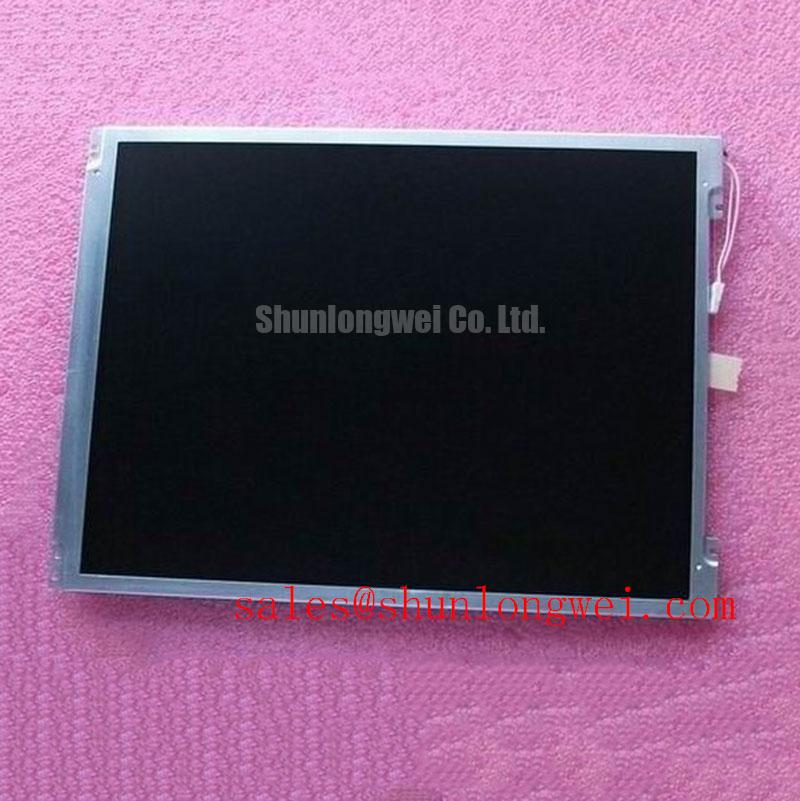
The AUO B104SN03 V0 is an amorphous silicon TFT-LCD module engineered to deliver reliable SVGA resolution in space-constrained industrial systems. Featuring an ultra-slim 5.6 mm outline, this 10.4-inch screen outputs a typical 230 cd/m² brightness and a solid 500:1 contrast ratio. It provides a simple, direct pathway when retrofitting legacy 10.4-inch display panels in older human-machine interfaces without modifying existing cabinet depths.
Download B104SN03 V0 Technical Datasheet
Depth Optimization and Signaling Precision
Integrating displays into rugged machinery often runs into mechanical bottlenecks. The physical thickness of the B104SN03 V0 is restricted to a mere 5.6 mm, freeing up internal enclosure volume for auxiliary circuit boards and thermal heatsinks. This mechanical refinement allows field technicians to perform fast component swaps without re-machining display bezels or mounting brackets.
Optically, the native 500:1 contrast ratio ensures clear line definition on complex diagnostic displays. You can think of this contrast ratio as the focusing power of a physical optical lens; higher ratios keep subtle graphic variations visible under changing factory light levels. This clarity is crucial for smart factory HMI essential touch and display specifications where dynamic numerical values require sharp visual isolation.
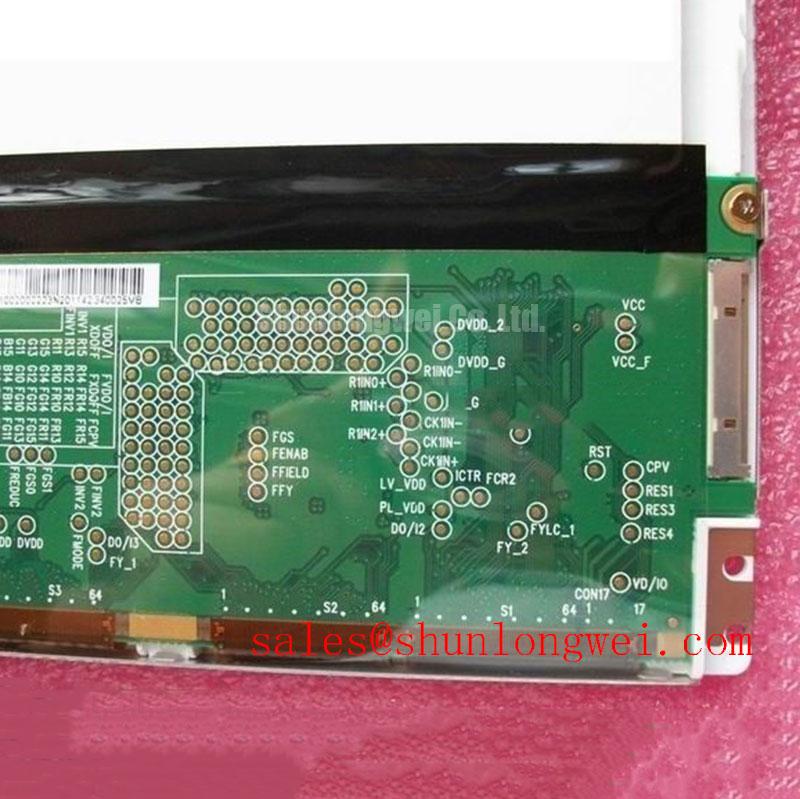
For data transport, the module utilizes a single-channel 6-bit LVDS Interface operating on a typical 3.3V logic supply. This digital signaling method minimizes electromagnetic emissions (EMI) over internal wiring harnesses, maintaining signal fidelity near high-frequency motor controllers and relays.
Industrial Application Scenarios
- CNC Machinery Control Panels: The 800×600 SVGA resolution matches standard legacy coordinate grids without scaling distortion.
- Medical Vital Signs Monitors: Low-EMI LVDS output prevents interference with sensitive nearby biosensors and telemetry equipment.
- Factory Automation Terminals: Fits shallow-mount protective enclosures typical of automated manufacturing lines.
This 10.4-inch display panel delivers stable SVGA visuals with a minimal installation footprint for legacy HMI platforms.
Key Specifications Table
| Mechanical & General Characteristics | |
|---|---|
| Diagonal Size | 10.4 inches (26.4 cm) |
| Resolution | 800 (RGB) × 600 (SVGA) |
| Active Area | 211.2 mm (H) × 158.4 mm (V) |
| Outline Dimensions | 236.0 mm (W) × 174.3 mm (H) × 5.6 mm (D) |
| Optical Performance | |
| Luminance (White) | 230 cd/m² (Typ.) |
| Contrast Ratio | 500:1 (Typ.) |
| Viewing Angle (U/D/L/R) | 45° / 55° / 60° / 60° (Typ.) |
| Backlight Type | 1 × CCFL (Replaceable) |
| Electrical & Interface | |
| Interface Protocol | LVDS (1-channel, 6-bit) |
| Connector Pins | 20 Pins |
| Logic Voltage VCC | 3.3V (Typ.) |
Engineer FAQ
Q1: What power requirements are needed for the backlight?
A: The single CCFL backlight requires an external high-voltage inverter capable of supplying approximately 1000Vrms ignition startup and a constant running voltage of roughly 500Vrms. Proper safety insulation is required around the high-voltage inverter output lines.
Q2: Can this screen replace newer revisions in the same series?
A: The B104SN03 V0 features standard mechanical mounting tabs and a 20-pin connector. It serves as a direct base alternative, but check electrical timings if replacing panels like the V2. For comparison details, see our AUO B104SN03 V2 technical review.
Q3: How do I minimize noise on the LVDS interface?
A: Keep the 20-pin flat cable as short as possible, preferably under 30 cm. Route the signal lines away from AC mains, the backlight inverter, and high-power motor drivers to prevent data corruption or screen flicker.
The B104SN03 V0 provides a straightforward, robust option for engineers looking to maintain the life of their legacy industrial equipment. By matching standardized 20-pin LVDS connections with a slim physical profile, it simplifies the maintenance and support of critical visualization systems.