AUO G104SN03 V0: Technical Analysis and Application Guide for the 10.4-inch SVGA Industrial TFT-LCD Module
G104SN03 V0 AUO 10.4-inch SVGA Industrial TFT-LCD Module
Introduction and Core Technical Highlights
The G104SN03 V0 is a high-reliability 10.4-inch Amorphous Silicon (a-Si) TFT-LCD module manufactured by AUO, specifically engineered for industrial HMI and automation environments. Utilizing an efficient 1-channel LVDS interface, it delivers a balance of visual clarity and power efficiency, which is critical for sustained operation in factory settings. This module’s primary value proposition lies in its legacy compatibility and signal integrity, offering a stable SVGA resolution for systems requiring long-term availability.
- Core Specifications: 10.4-inch | 800 x 600 (SVGA) | 230 cd/m² Luminance
- Key Advantage: Simplified 1-ch LVDS reduces EMI and simplifies rugged connectivity design.
- Key Advantage: High aperture ratio architecture optimizes light transmission, minimizing power consumption.
Download Official Datasheet / Interface Report (PDF)

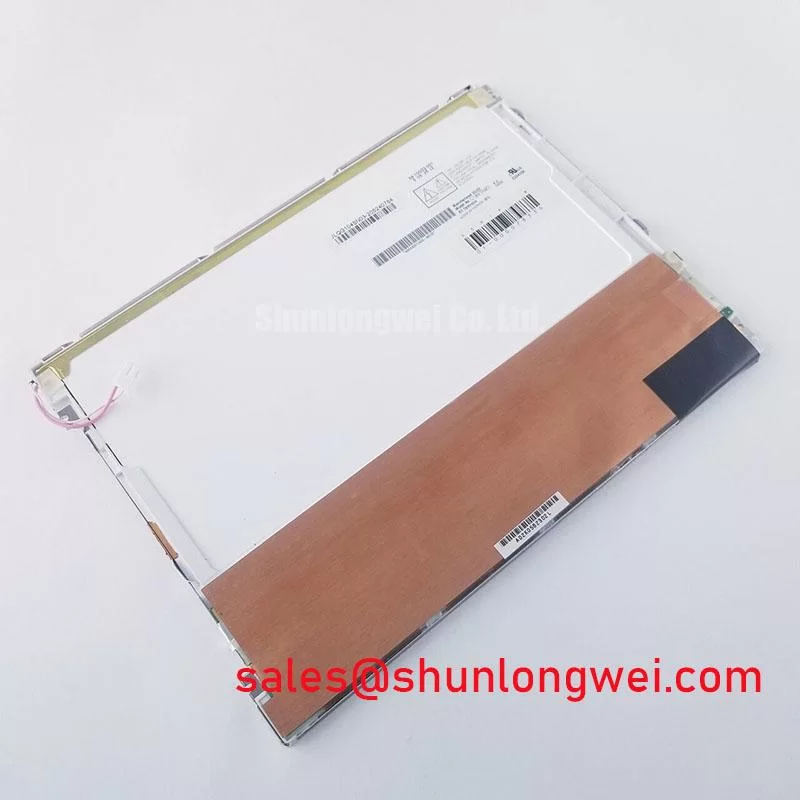
Technical Analysis of the G104SN03 V0 Architecture
The G104SN03 V0 features an 800×600 resolution, a standard for industrial LCD core technology. This resolution provides sufficient pixel density for complex control dashboards without overtaxing legacy graphics controllers. One of the standout features is its contrast ratio of 500:1 (typ.), which ensures that critical data remain legible even in variable ambient lighting conditions. Engineers must account for its 6-bit color depth, which supports 262,144 colors, making it ideal for standard graphical user interfaces rather than high-fidelity video reproduction.
The interface logic is handled through a Single Channel LVDS (Low Voltage Differential Signaling) protocol. You can think of the LVDS bandwidth as a multi-lane highway; even though it has fewer physical “lanes” (cables) than a TTL interface, the data travels at much higher speeds with differential noise immunity, ensuring that signal “traffic jams” or external interference do not cause screen flickering or data corruption. This is further enhanced by the module’s 35ms typical response time, which is tuned for static and slow-moving industrial data displays.


Optimized Application Scenarios
- CNC Machinery Interfaces: The 800×600 resolution matches legacy CNC controllers, while the high contrast aids operator precision.
- Marine Navigation Systems: Reliable operation across a wide viewing angle (60/60/45/45) ensures visibility for bridge personnel.
- Medical Patient Monitors: The stable CCFL backlight provides consistent luminance required for long-term clinical monitoring.
- ATM and Kiosk Displays: Robust a-Si construction handles continuous indoor use with a typical luminance of 230 nits.
Best Match Conclusion: The G104SN03 V0 is the primary choice for drop-in replacements in legacy industrial HMIs requiring stable SVGA performance via LVDS.

G104SN03 V0 Key Specifications
| Category | Parameter | Value |
|---|---|---|
| Optical Stats | Resolution | 800 x 600 (SVGA) |
| Brightness | 230 cd/m² (Typical) | |
| Contrast Ratio | 500:1 | |
| Electrical | Interface Type | LVDS (1 channel, 6-bit) |
| Supply Voltage | 3.3V (Typical) | |
| Mechanical | Outline Dimensions | 236.0 x 174.3 x 5.9 mm |
| Active Area | 211.2 x 158.4 mm |
Engineer FAQ
Q1: How do I ensure maximum signal integrity when using the LVDS interface?
A1: To minimize jitter and electromagnetic interference, engineers should use differential impedance-controlled cabling (typically 100 ohms) and keep the cable length as short as possible. Proper shielding of the LVDS harness is essential in high-EMI industrial environments.
Q2: Can the G104SN03 V0 be used in outdoor applications?
A2: With a typical brightness of 230-250 nits, this module is best suited for indoor industrial use. Outdoor visibility would require higher luminance or specialized anti-reflective treatments not standard on this model.
Q3: Is this module compatible with flicker-free dimming?
A3: Dimming performance depends on the CCFL inverter used. For precise control and operator comfort, high-frequency PWM inverters are recommended to avoid visible strobing at lower brightness levels.
The AUO G104SN03 V0 remains a cornerstone for industrial designers focusing on stability and standardized HMI formats. Its integrated LVDS architecture and proven a-Si TFT reliability ensure that mission-critical visualization remains consistent throughout the equipment’s service life.