AUO M190EG02 V1: A Robust SXGA Display for Industrial Applications
AUO M190EG02 V1 19.0-Inch SXGA Industrial TFT-LCD Module
Engineered for Clarity and Durability in Industrial Applications
The AUO M190EG02 V1 is a 19.0-inch a-Si TFT-LCD module delivering high-detail SXGA resolution for industrial systems that demand precise and reliable visual data. Its primary value stems from a balanced combination of a high-contrast panel and wide, consistent viewing angles, ensuring image integrity from multiple operator perspectives. This display provides a robust solution for upgrading legacy systems or implementing new human-machine interfaces (HMIs) where clarity is paramount.
- Core Specifications: 1280×1024 SXGA | 700:1 Contrast Ratio | 300 cd/m² Brightness
- Key Advantages: Wide 80° viewing angles for off-axis readability; fast 3ms G-to-G response time minimizes motion blur.
- Application Focus: Well-suited for environments where operators are not always directly in front of the screen, such as in control rooms or medical diagnostic stations.
Download The Official M190EG02 V1 Datasheet (PDF)
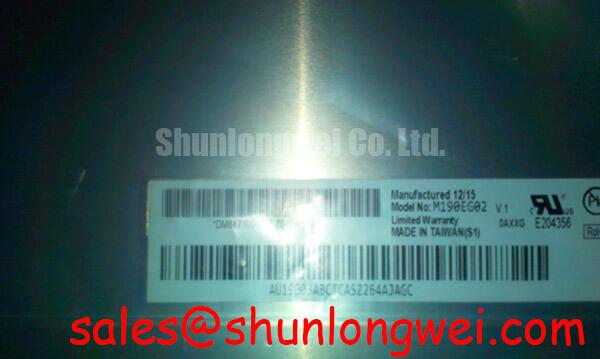
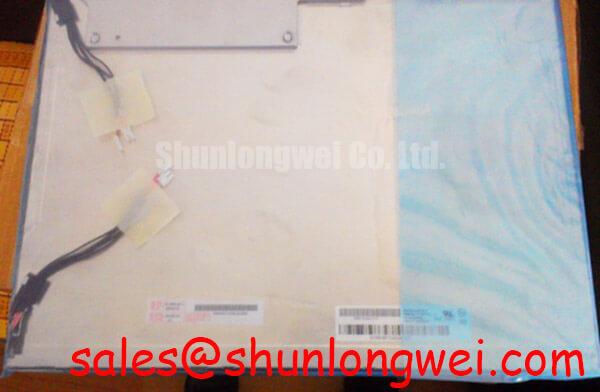
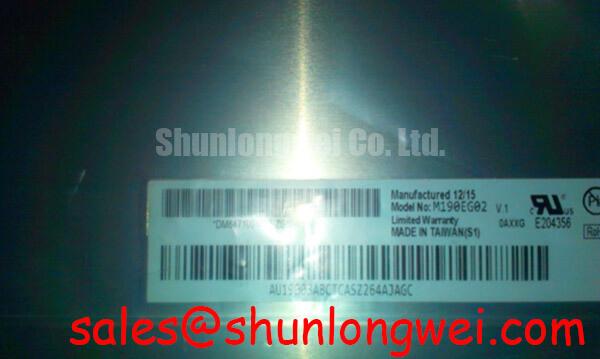
Technical Analysis for System Integration
The M190EG02 V1’s core strength is its native 1280×1024 (SXGA) resolution in a 5:4 aspect ratio. This pixel density is critical for applications like industrial control panels and medical imaging systems, where displaying complex data, fine lines, and detailed text without scaling artifacts is essential. The panel’s ability to render 16.2 million colors (using 6-bit + FRC technology) ensures that graphical user interfaces are represented with sufficient color depth for accurate status indication and data visualization.
A significant factor in its performance is the specified typical contrast ratio of 700:1. Think of contrast ratio as the display’s ability to distinguish between its brightest white and its darkest black. A higher ratio, like that of the M190EG02 V1, means deeper blacks and more vibrant colors, making the screen easier to read, especially in varied lighting conditions common to factory floors or labs. This is complemented by its 80/80/80/80 viewing angles, ensuring that image colors and contrast remain stable even when viewed from significant off-axis positions.
Optimized Application Scenarios
The specifications of the M190EG02 V1 align it with several demanding professional applications:
- Industrial HMI Panels: The SXGA resolution and antiglare surface make it ideal for displaying complex SCADA diagrams and control interfaces with clarity.
- Medical Diagnostic Stations: Consistent color and contrast across its wide viewing angles are crucial for multiple viewers to analyze medical imagery without distortion.
- ATM & Vending Kiosks: The robust build and hard coating (3H) on the panel surface provide the necessary durability for public-facing interactive systems.
- Legacy System Upgrades: Its standard 5:4 aspect ratio and LVDS interface allow for direct replacement of older, lower-performance 19-inch panels in existing equipment, extending the operational life of valuable machinery.
This module is an optimal match for systems requiring a high-detail, durable display with consistent off-axis viewing performance for clear operator communication.
Key Specifications of the M190EG02 V1
| Display Characteristics | |
|---|---|
| Panel Type | a-Si TFT-LCD, TN, Normally White |
| Screen Size | 19.0 inches |
| Resolution | 1280(RGB)×1024, SXGA, 86 PPI |
| Aspect Ratio | 5:4 (H:V) |
| Optical Performance | |
| Brightness | 300 cd/m² (Typ.) |
| Contrast Ratio | 700:1 (Typ.) |
| Viewing Angle | 80/80/80/80 (Typ.) (CR≥10) |
| Response Time | 3 ms (Typ.) (G to G) |
| Interface & Electrical Data | |
| Signal Interface | LVDS (2 ch, 8-bit) |
| Input Voltage | 5.0V (Typ.) |
| Backlight System | CCFL (Note: Inverter not included) |
| Mechanical & Environmental | |
| Outline Dimensions | 396(H) x 324(V) x 18(D) mm (Max.) |
| Surface Treatment | Antiglare, Hard coating (3H) |
| Operating Temperature | 0 ~ 50 °C |
Engineer’s Frequently Asked Questions
1. What are the optimal viewing angles for the M190EG02 V1?
The datasheet specifies a viewing angle of 80 degrees in all directions (left, right, up, down) while maintaining a contrast ratio of at least 10:1. This makes it highly suitable for applications where the operator may be viewing the screen from the side or above/below the center axis.
2. What are the key considerations for integrating the LVDS interface of this display?
The M190EG02 V1 uses a dual-channel, 8-bit LVDS interface. Engineers must ensure their controller board can support this standard. Proper impedance matching (typically 100 ohms) and careful routing of the differential pairs are crucial to maintain signal integrity and prevent EMI issues. Learn more about ensuring signal integrity in our guide to rugged connectivity for industrial displays.
3. Is an inverter required for the CCFL backlight?
Yes, the M190EG02 V1 module contains the CCFL lamps for its backlight, but it does not include the external high-voltage inverter required to power them. System designers must source and integrate a compatible inverter that meets the voltage and current requirements specified in the official datasheet.
4. How does the 5:4 aspect ratio benefit industrial applications?
The 5:4 aspect ratio is a standard format for many legacy and specialized industrial software applications. Using a native 5:4 display like the M190EG02 V1 avoids the image stretching or letterboxing that occurs when running such software on widescreen (16:9 or 16:10) monitors. This ensures that graphical elements are displayed correctly without distortion.
Enabling System Longevity and Performance
The AUO M190EG02 V1 provides the technical foundation for clear, reliable, and durable visual interfaces. By combining high-detail SXGA resolution with consistent wide-angle viewing and a robust mechanical design, this TFT-LCD module enables engineers to develop or maintain systems that deliver accurate visual data for years of operation. It is a well-documented and practical choice for demanding industrial and professional environments. To learn more about the technologies behind modern industrial displays, explore our articles on LCD core technology and the essentials of shock resistance.