EL640.480-AD4: A Rugged TFEL Display for Extreme Environments
“`html
EL640.480-AD4 TFEL Display for Extreme Environments
Technical Analysis of the Lumineq EL640.480-AD4 Display
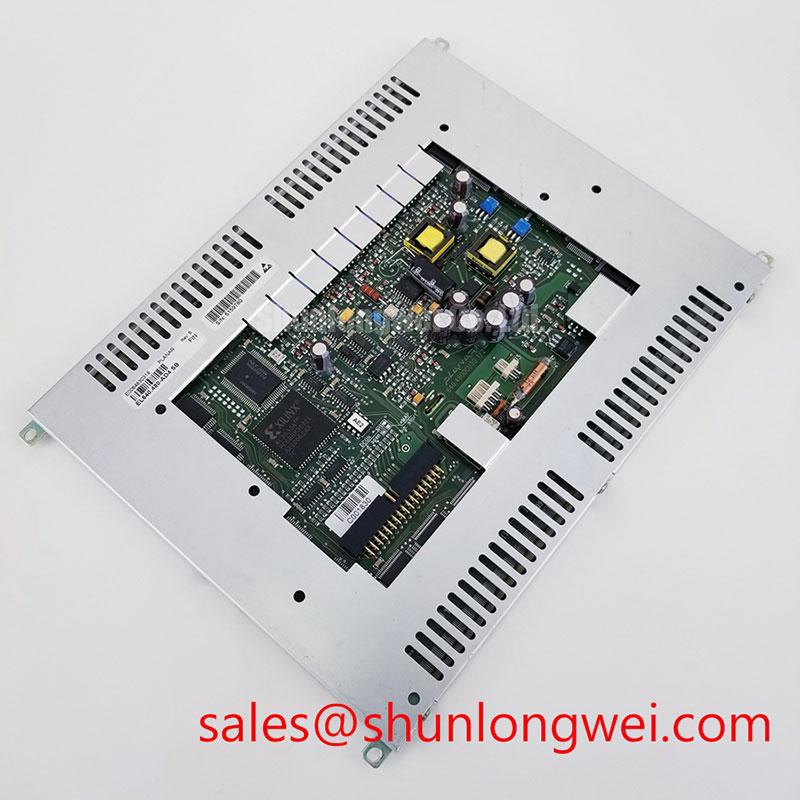
The Lumineq EL640.480-AD4 is a Thin Film Electroluminescent (TFEL) display engineered for exceptional performance in applications where conventional displays fail. Its core value proposition is rooted in its intrinsic ruggedness and superior visual performance under extreme environmental stress, offering a reliable solution for mission-critical systems. This display maintains excellent readability across a wide temperature range and in high shock environments.
- Key Specifications: 640×480 Resolution | -40 to +65°C Operating Temp | <1 ms Response Time
- Engineering Advantages: Delivers motion-blur-free video and data, ensures operational integrity in extreme cold and heat, and withstands significant physical shock and vibration.
For systems deployed in unforgiving conditions, the EL640.480-AD4 provides a stable and dependable human-machine interface.
Download Official Datasheet (PDF)
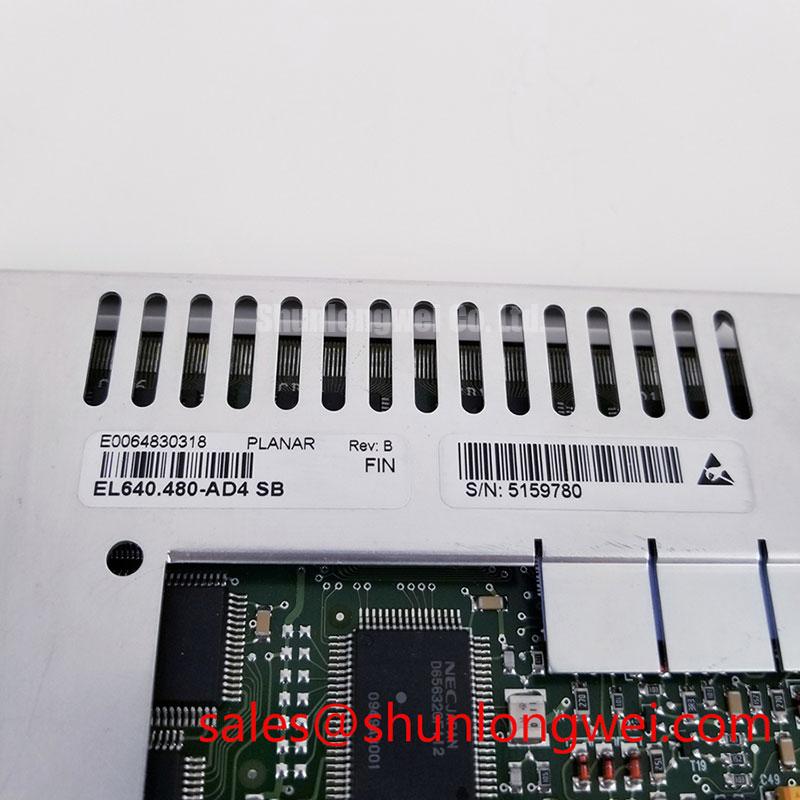
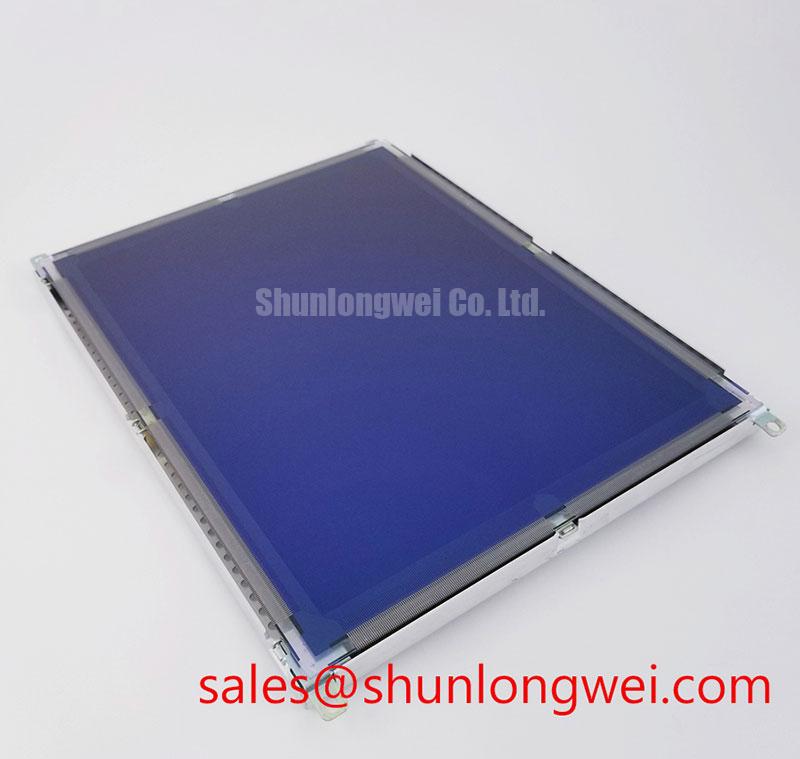
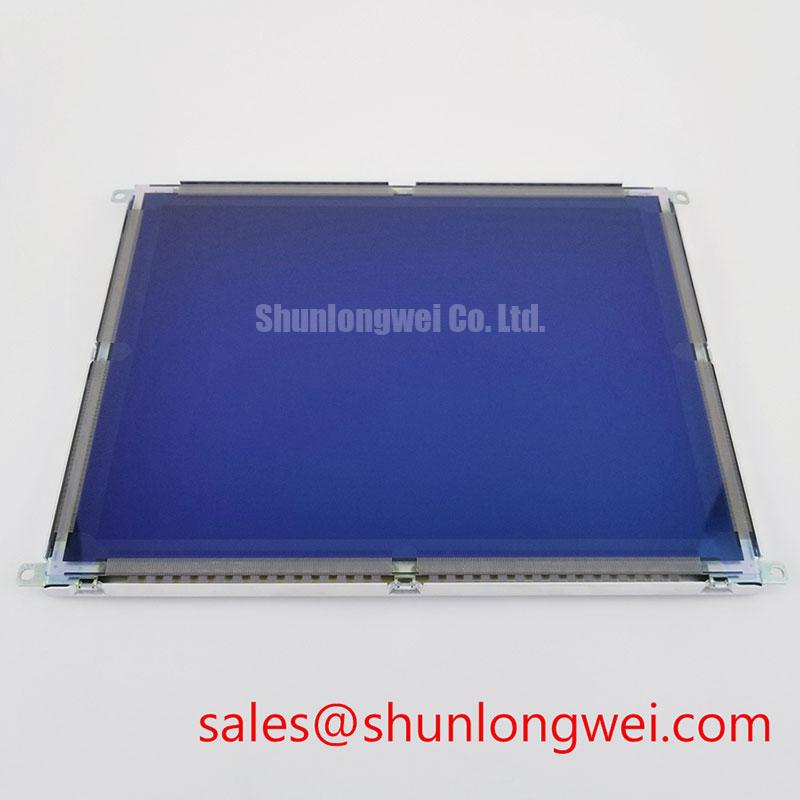
Engineered for Extreme Conditions
The operational resilience of the EL640.480-AD4 is defined by its extensive environmental tolerances. The datasheet specifies an operating temperature range of -40 to +65 °C, a capability that far exceeds that of most industrial LCDs, which often suffer from slow response times or failure in sub-zero conditions. Furthermore, the unit is validated to withstand a 50 g half-sine shock over an 11 ms duration. To put this in perspective, think of shock tolerance as a device’s ability to survive a sudden, high-energy impact; the 50 g rating ensures the display remains functional even when subjected to forces common in military vehicles and heavy industrial machinery. For more information on this topic, consider reading our guide on vibration and shock resistance for industrial displays.
Unmatched Clarity in Motion
A standout feature of TFEL technology is its exceptionally fast pixel response time. The EL640.480-AD4 specifies a response time of less than 1 millisecond. This is a critical parameter for applications displaying rapidly changing data, such as avionics instrumentation or vehicle telemetry. An easy analogy for response time is that of a camera’s shutter speed; a slower shutter speed (higher response time) results in motion blur. With its sub-1ms performance, this display effectively “freezes” motion, rendering crisp, clear images without the ghosting or trailing artifacts common on slower LCD panels. This ensures that operators can make accurate readings from fast-moving graphics or scrolling text.
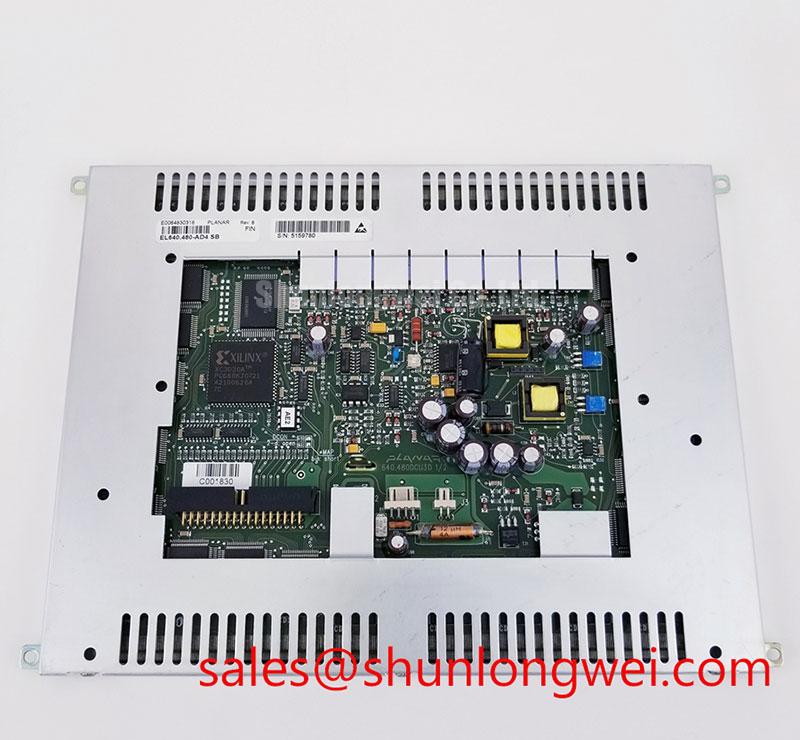
Optimized Application Scenarios
- Avionics and Military Systems: The wide operating temperature and high shock tolerance meet the demanding requirements for flight decks and ground vehicles. The fast response time is ideal for critical flight data.
- Industrial Automation: Its immunity to vibration and temperature extremes makes it a reliable HMI solution for factory floors, foundries, and processing plants.
- Marine and Rail: The display’s durability ensures consistent operation in environments with constant vibration and potential temperature swings, as detailed in guides for extreme reliability engineering.
- Medical Diagnostics: The blur-free imaging and wide viewing angle are beneficial for critical patient monitoring and diagnostic equipment, where image integrity is paramount.
This display is best matched for critical systems where data must be presented without fail, regardless of environmental challenges.
Key Specifications of the EL640.480-AD4
| Parameter | Specification |
|---|---|
| Display Characteristics | |
| Resolution | 640 x 480 pixels |
| Active Area | 195.0 mm x 147.0 mm (9.6-inch diagonal) |
| Typical Area Luminance | 38 cd/m² (Luminance control via PWM) |
| Typical Contrast Ratio | 12:1 (dark ambient) |
| Response Time | < 1 ms |
| Viewing Angle | > 160° |
| Environmental Ratings | |
| Operating Temperature | -40°C to +65°C |
| Storage Temperature | -50°C to +85°C |
| Shock Resistance | 50 g, half sine, 11 ms |
| Vibration Resistance | 5 to 500 Hz @ 1 g RMS |
| Electrical Interface | |
| Logic Supply Voltage (Vdd) | 5.0 VDC ±5% |
| High Voltage Supply (Vhv) | 210 VDC |
| Interface | 4-bit LCD-type (FLM, LP, M, C-frame signals) |
Engineer’s FAQ
What makes the EL640.480-AD4 suitable for extreme cold or high-vibration applications?
Its suitability comes directly from its TFEL technology and rugged construction. The official datasheet confirms an operational temperature range from -40°C to +65°C and specifies tolerance to a 50 g shock and 1 g RMS random vibration, making it reliable where standard displays would not be.
What kind of controller is needed for the 4-bit interface?
The display uses a common 4-bit LCD-type digital interface. It is compatible with a wide range of standard display controllers that can generate the necessary timing signals, including Line Pulse (LP), Frame Sync (FLM), and Pixel Clock (M). The datasheet provides detailed timing diagrams to facilitate integration.
How does the sub-1ms response time benefit my design?
A response time under 1ms eliminates motion blur and image ghosting. This is a significant advantage in applications with fast-moving graphics, video, or scrolling data, such as in aviation, vehicle displays, or industrial process monitoring. It ensures that the information presented to the operator is always sharp and unambiguous.
What is the expected reliability of this display module?
The datasheet for the EL640.480-AD4 specifies a Mean Time To Failure (MTTF) of over 50,000 hours for the integrated ICE (Integrated Control Electronics) driver. This figure underscores the long-term reliability engineered into the module, which is a key consideration in the field of thermal management for industrial display reliability.
Enabling Designs for Uncompromising Environments
For engineers designing systems that must operate flawlessly in punishing conditions, the EL640.480-AD4 TFEL display offers a proven foundation of visual reliability. Its inherent toughness, coupled with exceptional motion clarity and a wide operational temperature range, ensures data integrity and system uptime when it matters most. This component is a direct solution for overcoming the environmental limitations of conventional display technologies.
“`