Fuji Electric ET439: A Technical Analysis for Robust AC Power Control
Fuji Electric ET439 Thyristor Module for AC Power Control
Technical Analysis of the Fuji Electric ET439 Thyristor Module
The Fuji Electric ET439 is a thyristor module engineered for robust control of AC power in demanding industrial circuits. This component’s core value proposition lies in its combination of high voltage and current ratings with a high-isolation design, facilitating reliable power switching in applications such as AC motor controllers and industrial heating systems. It provides a dependable solution for phase control and switching tasks where safety and durability are paramount.
- Core Specifications: 600V | 50A | VISO 2500V
- Key Advantages: High electrical isolation for system safety, robust surge current capability for inductive loads.
Engineers often need to select components that can withstand significant inrush currents, particularly in motor control. The ET439 addresses this with a high surge current rating, ensuring operational stability during load startup.
Download the Official ET439 Datasheet (PDF)
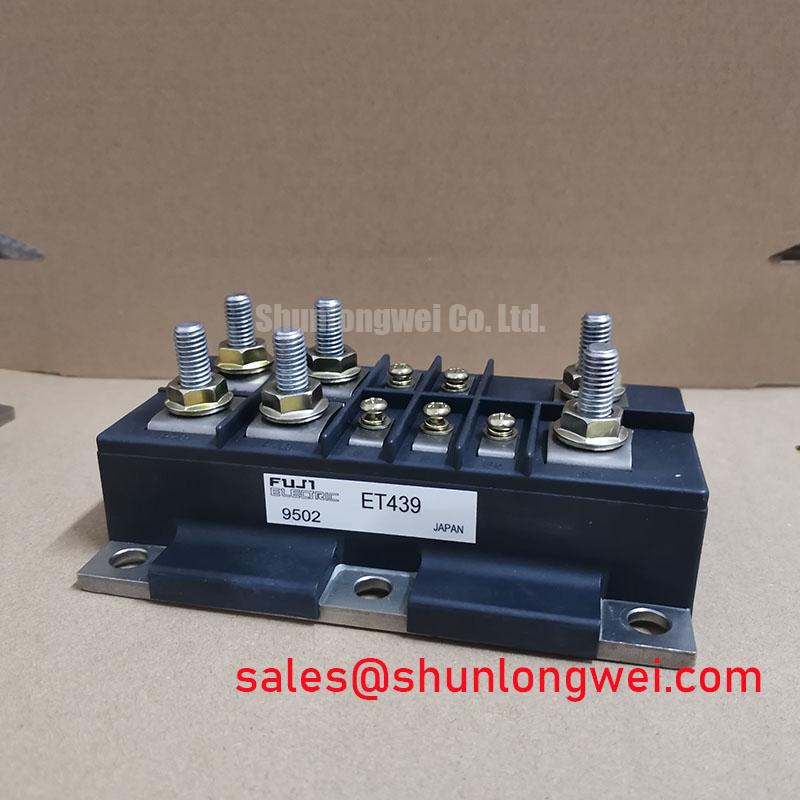
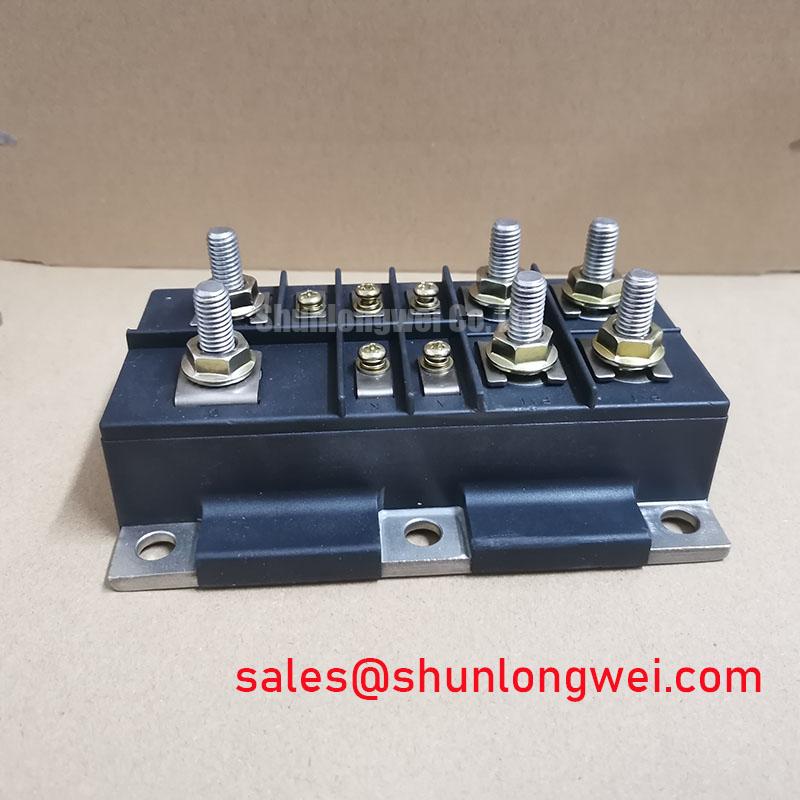
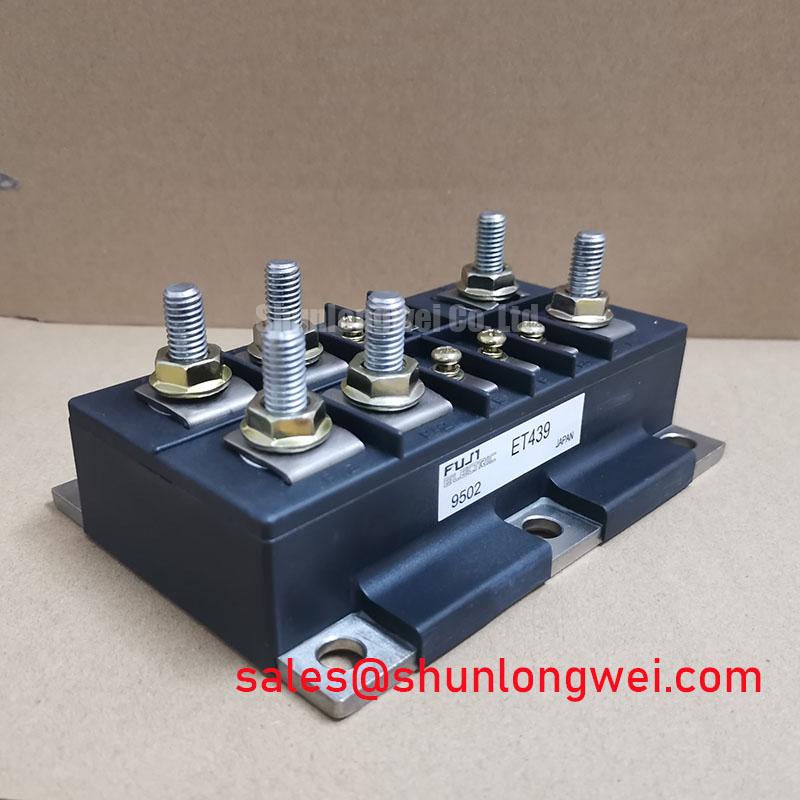
Engineered for Isolation and Durability
A critical parameter for power modules operating in industrial environments is the isolation voltage (VISO). The ET439 features a VISO rating of 2500V AC. This specification is vital as it guarantees a robust dielectric barrier between the high-power circuit and the module’s mounting baseplate, which is typically connected to the system chassis ground. Think of this isolation rating as an electrical firewall; it prevents high voltages from endangering control circuits or maintenance personnel, thereby enhancing overall system safety and reliability. For further reading on the importance of robust gate control in power systems, see our article on optimizing gate drive design.
The module’s ability to handle high surge currents (ITSM) is another key engineering feature. With a non-repetitive surge peak on-state current of 1000A for a 60Hz half-cycle, the ET439 is well-equipped to manage the significant inrush currents associated with starting large motors or switching transformer loads. This robustness prevents component failure during transient conditions, a common challenge in industrial power control. This capability ensures the longevity of both the module and the equipment it controls.

Optimized Application Scenarios
The specifications of the ET439 make it well-suited for several industrial power control applications:
- AC Motor Soft Starters: The high ITSM rating allows the module to safely manage the high inrush currents typical of motor startup, providing a smooth ramp-up of voltage.
- Industrial Heater and Furnace Control: Its 50A average on-state current (IT(AV)) provides ample capacity for precise temperature regulation in high-power resistive heating systems.
- Static AC Switches: The robust voltage and current ratings enable the ET439 to function as a reliable solid-state switch for disconnecting or connecting AC loads.
- Lighting Dimmers: In large-scale commercial or theatrical lighting systems, this module can effectively control the power delivered to lighting banks.
This module is an optimal match for AC power control systems requiring high isolation and proven robustness against transient current surges.
Key Specifications of the ET439
| Absolute Maximum Ratings (TC = 25°C unless otherwise specified) | |
|---|---|
| Repetitive Peak Reverse Voltage (VRRM) | 600V |
| Average On-State Current (IT(AV)) | 50A |
| Surge Peak On-State Current (ITSM) | 1000A (60Hz, 1 cycle) |
| Isolation Voltage (VISO) | 2500V (AC, 1 min.) |
| Operating Junction Temperature (Tj) | -40 to +125°C |
| Electrical & Thermal Characteristics | |
| Peak On-State Voltage (VTM) | 1.6V (max, ITM=157A) |
| Gate Trigger Current (IGT) | 100mA (max) |
| Thermal Resistance (Rth(j-c)) | 0.4 °C/W (per arm) |
Engineer’s FAQ
What are the critical considerations for mounting the ET439 to a heatsink?
Proper thermal management is crucial. The datasheet specifies a mounting torque of 2.5 to 3.5 N·m. It is essential to use a thin, even layer of thermal grease to ensure optimal heat transfer by minimizing air gaps between the module’s baseplate and the heatsink surface. Insufficient torque or uneven grease application can lead to higher junction temperatures and reduced reliability. For more on this topic, explore our guide on mastering thermal design.
How does the isolation voltage of 2500V contribute to system safety?
The 2500V isolation rating ensures that the high-voltage power circuit is safely separated from the module’s metal baseplate and, by extension, the equipment’s chassis. This high level of isolation is critical for preventing electrical shock hazards during maintenance and protecting low-voltage control electronics from faults in the power stage, which is fundamental to meeting industrial safety standards.
What is the purpose of the dual thyristor configuration in the ET439?
The module contains two thyristors connected in series with a center tap. This configuration is commonly used to create a single-phase AC controller. By controlling the firing angle of each thyristor on the positive and negative half-cycles of the AC waveform, a system can precisely regulate the amount of power delivered to a load.
Enabling Reliable Power Systems
The Fuji Electric ET439 thyristor module offers a technically sound foundation for industrial AC power control. Its specified high surge current handling and robust electrical isolation provide the necessary durability for controlling inductive and resistive loads reliably. This focus on safety and robustness allows engineers to design and implement dependable power switching and phase control circuits for a range of industrial equipment. More information on power semiconductors can be found on our category page.