LTM12C289: A Technical Analysis of a Long-Life Industrial Display
LTM12C289: Toshiba 12.1″ SVGA Industrial TFT-LCD Module
Engineered for Reliability and Serviceability in Industrial Systems
The Toshiba LTM12C289 is a 12.1-inch a-Si TFT-LCD module engineered for long-term operational stability in industrial applications. This display’s core value proposition is its extended functional life, anchored by a high-longevity backlight system and robust construction. It delivers consistent SVGA resolution visuals, making it a suitable component for sustaining legacy systems or developing new human-machine interfaces where reliability is paramount. Understanding the LTM12C289 backlight’s lifespan is a key step in planning long-term system maintenance.
- Core Specifications: 800×600 SVGA | 250 cd/m² Brightness | 50,000-Hour Backlight Life
- Key Advantages: Facilitates extended system uptime with a long-life, replaceable CCFL backlight. Provides clear, stable visuals for typical indoor industrial lighting conditions.
Download The Official LTM12C289 Datasheet (PDF)
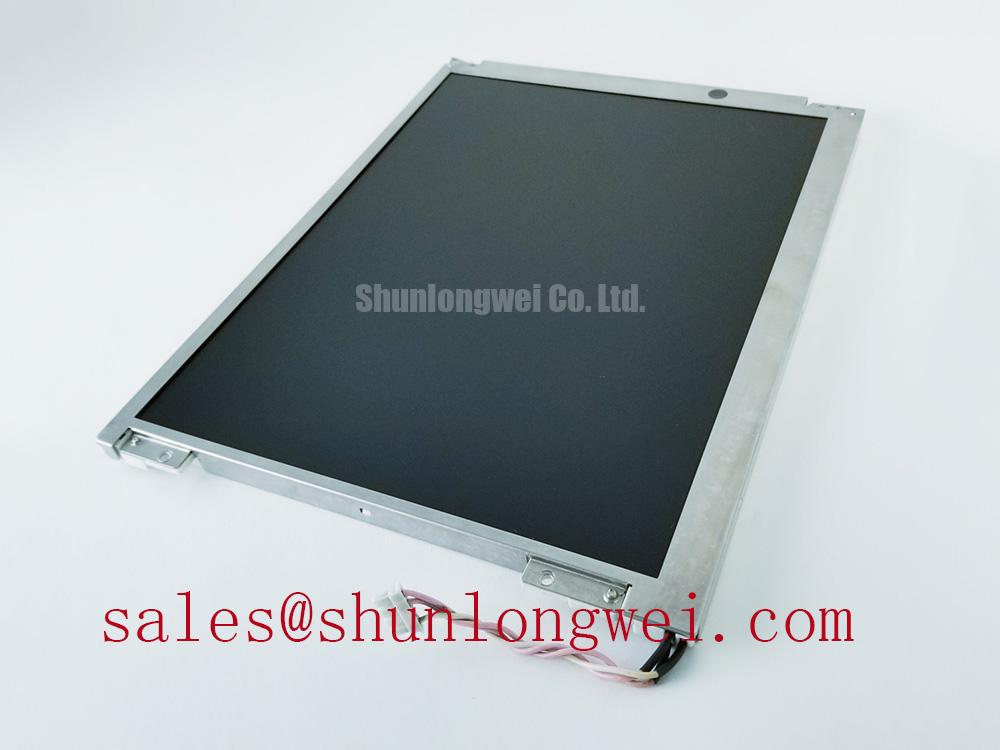
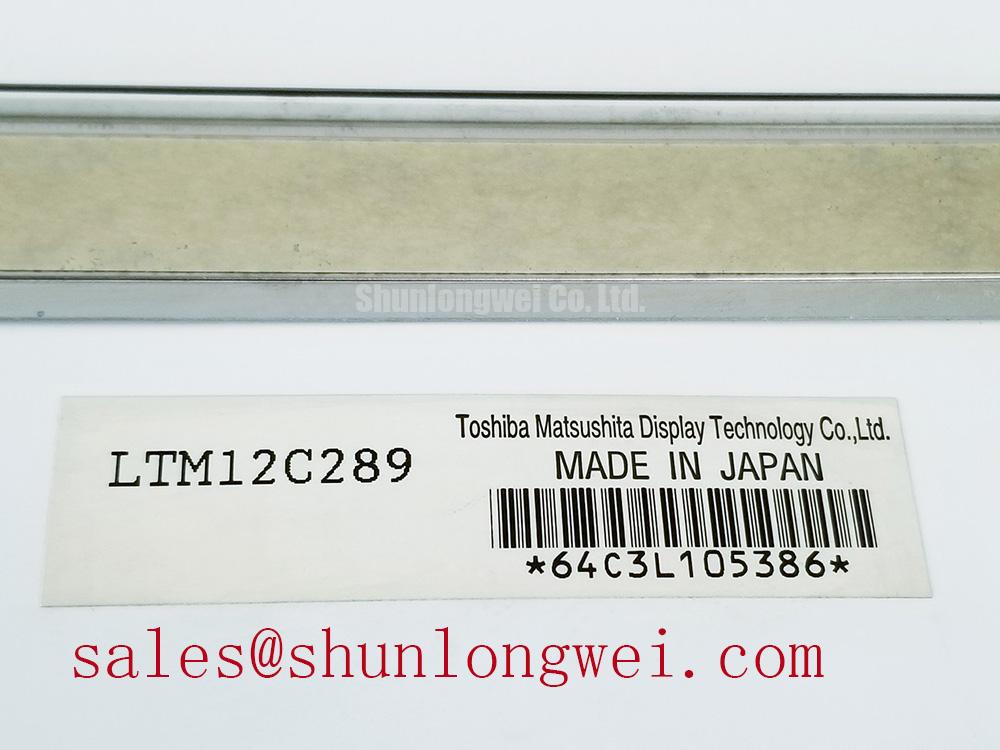
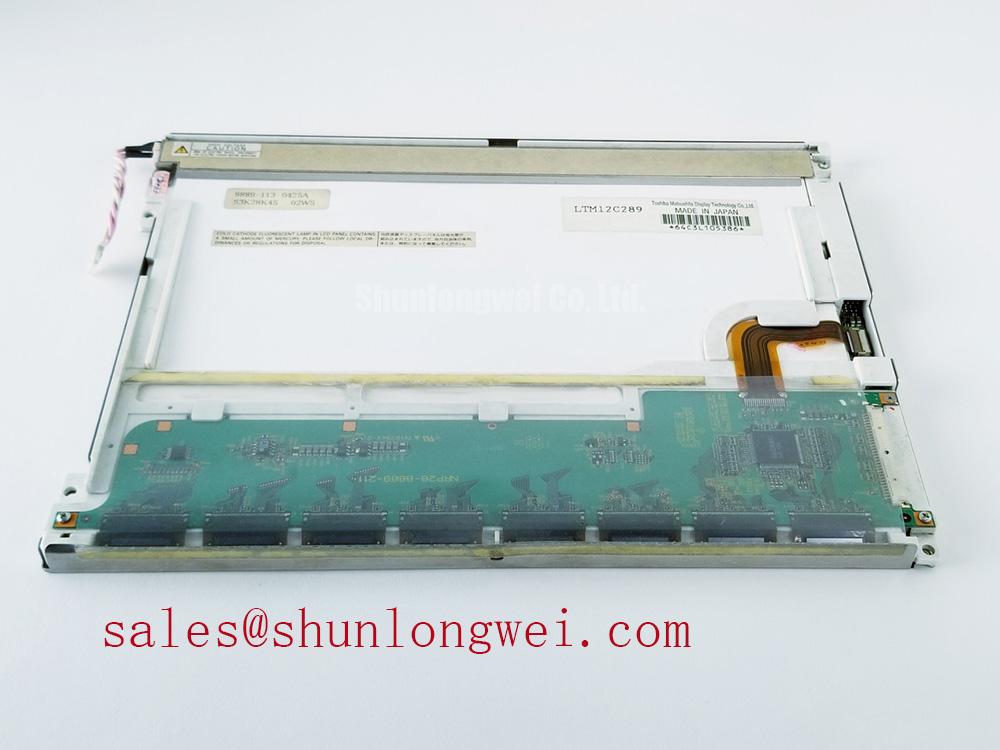
A Technical Analysis Focused on Longevity
The most significant engineering feature of the LTM12C289 is its backlight system. It utilizes two Cold Cathode Fluorescent Lamps (CCFL) designed for a mean time between failures (MTBF) of 50,000 hours under typical operating conditions. This extended lifespan directly contributes to reduced maintenance cycles and lower total cost of ownership for the equipment it’s integrated into. Furthermore, the datasheet specifies that the lamp units are replaceable, a critical feature for extending the service life of the entire system well beyond the initial backlight lifespan.
The display’s optical characteristics are tailored for clarity in industrial settings. With a typical luminance of 250 cd/m² and a contrast ratio of 250:1, the LTM12C289 provides sufficient brightness and image definition for environments with controlled, artificial lighting. Think of the contrast ratio as the display’s ability to distinguish between its brightest white and deepest black. A 250:1 ratio ensures that graphical user interfaces, text, and numerical readouts are clearly legible to operators, minimizing errors and improving interaction efficiency. The panel’s TN (Twisted Nematic) technology supports a functional viewing cone suitable for direct, head-on operator interaction.
Optimized Application Scenarios
The specific characteristics of the LTM12C289 make it a strong candidate for several industrial and commercial applications:
- Industrial HMI Panels: Its 12.1″ SVGA format is a direct fit for many legacy and current machine control interfaces, where long-term availability and proven performance are crucial.
- Test and Measurement Equipment: The reliable performance and clear data representation are essential for instruments that require consistent user interfaces over years of service.
- Process Control Systems: The 50,000-hour backlight life ensures monitoring stations can operate with minimal display-related downtime.
- Medical Monitoring Devices: For non-diagnostic patient monitoring systems, the display’s stability and serviceability support the high-reliability requirements of the medical field.
This module is an optimal match for systems requiring a durable SVGA display with a predictable and serviceable lifecycle.
Key LTM12C289 Specifications
| Parameter | Specification |
|---|---|
| Manufacturer | Toshiba Matsushita |
| Screen Size | 12.1 inches |
| Resolution | 800(RGB) × 600 (SVGA) |
| Display Technology | a-Si TFT-LCD, TN, Normally White, Transmissive |
| Luminance | 250 cd/m² (Typical) |
| Contrast Ratio | 250:1 (Typical) |
| Interface | Parallel RGB (1 ch, 6-bit) |
| Logic Voltage (VDD) | 3.3V (Typical) |
| Backlight System | 2 pcs CCFL, 50,000 hours (Typ.), Replaceable |
| Operating Temperature | 0°C to 50°C |
| Storage Temperature | -20°C to 60°C |
| Outline Dimensions | 278.3(W) × 209.0(H) × 14.0(D) mm |
Engineer’s FAQ
What are the maintenance considerations for the LTM12C289’s CCFL backlight?
The dual CCFL backlight has a typical lifespan of 50,000 hours. The key maintenance feature is that the lamp assembly is designed to be replaceable. This allows for field service to extend the operational life of the host device without replacing the entire LCD module. Note that this module requires an external backlight inverter, which is not integrated into the display assembly.
What is the required logic level for the Parallel RGB interface?
The LTM12C289 operates on a 3.3V logic supply (VDD). The high-level input voltage (VIH) must be between 0.8*VDD and VDD, and the low-level input voltage (VIL) must be between 0V and 0.2*VDD. This is a standard TTL-level interface requiring careful signal integrity management in the system’s PCB design.
How does the 0°C to 50°C operating temperature range affect its application?
This temperature range makes the LTM12C289 well-suited for stable, indoor industrial environments such as factory floors, control rooms, and laboratories. It is not specified for outdoor use or in environments subject to freezing temperatures or extreme heat without appropriate thermal management, like enclosures with heating or cooling. For more on this topic, see our guide to thermal management for industrial display reliability.
Is the LTM12C289 a good choice for new designs?
While highly reliable, the LTM12C289 uses older CCFL backlight and Parallel RGB interface technologies. For new designs, engineers might explore modern LED-backlit panels with LVDS or eDP interfaces for higher efficiency and simpler integration. However, for sustaining existing products or when a robust, well-documented SVGA display is required, the LTM12C289 remains a viable option. Explore the evolution of LCD core technology to understand the latest options.
Enabling System Longevity
The LTM12C289 provides engineers with a proven, reliable display component built for sustained industrial performance. Its design prioritizes a long operational life and serviceability, directly supporting the goal of creating durable equipment with a low total cost of ownership. By delivering dependable visual performance, this module helps ensure that critical data and controls remain clear and accessible throughout the product’s lifecycle.