MIG50Q201H Technical Review: An Integrated Power Module for Motor Control
MIG50Q201H IGBT Module | 600V 50A | Toshiba
Integrated Power Stage for Motor Control & Inverters
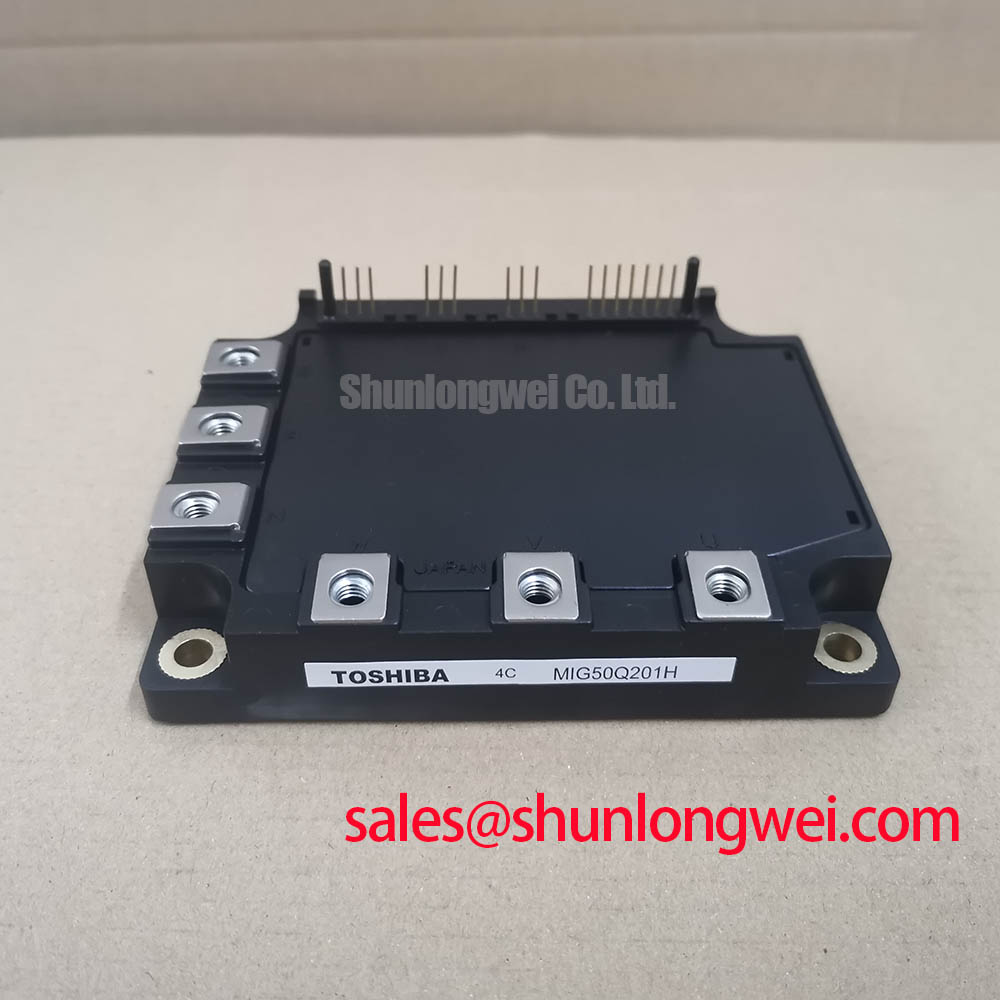
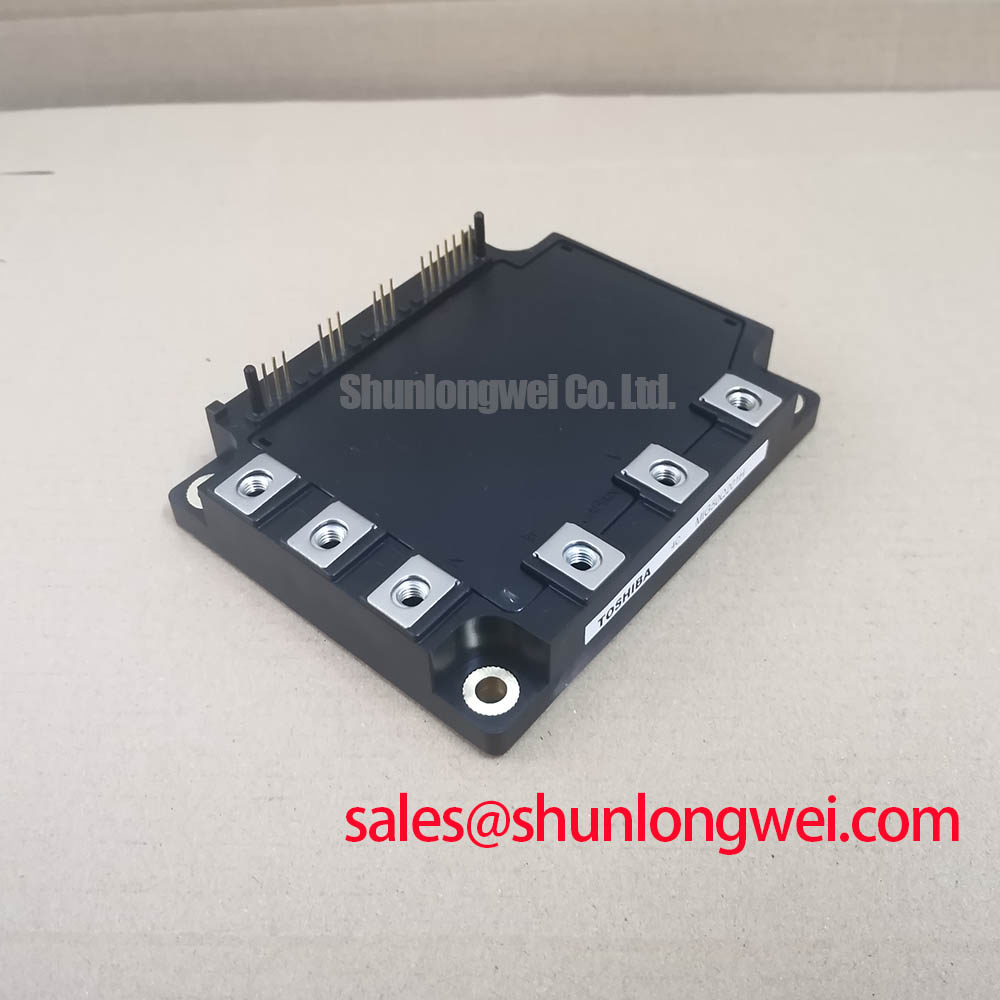
The Toshiba MIG50Q201H is a high-integration Intelligent Power Module (IPM) that consolidates a complete three-phase inverter, brake circuit, and intelligent drive & protection circuits into a single compact package. This module’s core value lies in its ability to simplify the design of motor control and power conversion systems by reducing component count and streamlining thermal management.
- Core Specifications: 600V | 50A | VCE(sat) 3.5V (Max)
- Key Advantages: Reduces PCB complexity, enhances system reliability with integrated protection.
- Primary Function: Provides a complete power stage for three-phase motor control and inverter applications.
For detailed electrical and thermal characteristics, download the official MIG50Q201H datasheet (PDF).
A Technical Analysis of the Integrated Design
The primary engineering benefit of the MIG50Q201H is its high level of integration. By combining the inverter and brake power circuits with dedicated drive and protection units, the module eliminates the need for numerous external components. This architecture significantly reduces the parasitic inductance that can occur in layouts using discrete components, a common source of voltage overshoots and EMI issues. The result is a cleaner switching performance and a more straightforward path to EMC compliance, a crucial consideration discussed in many power semiconductor designs.
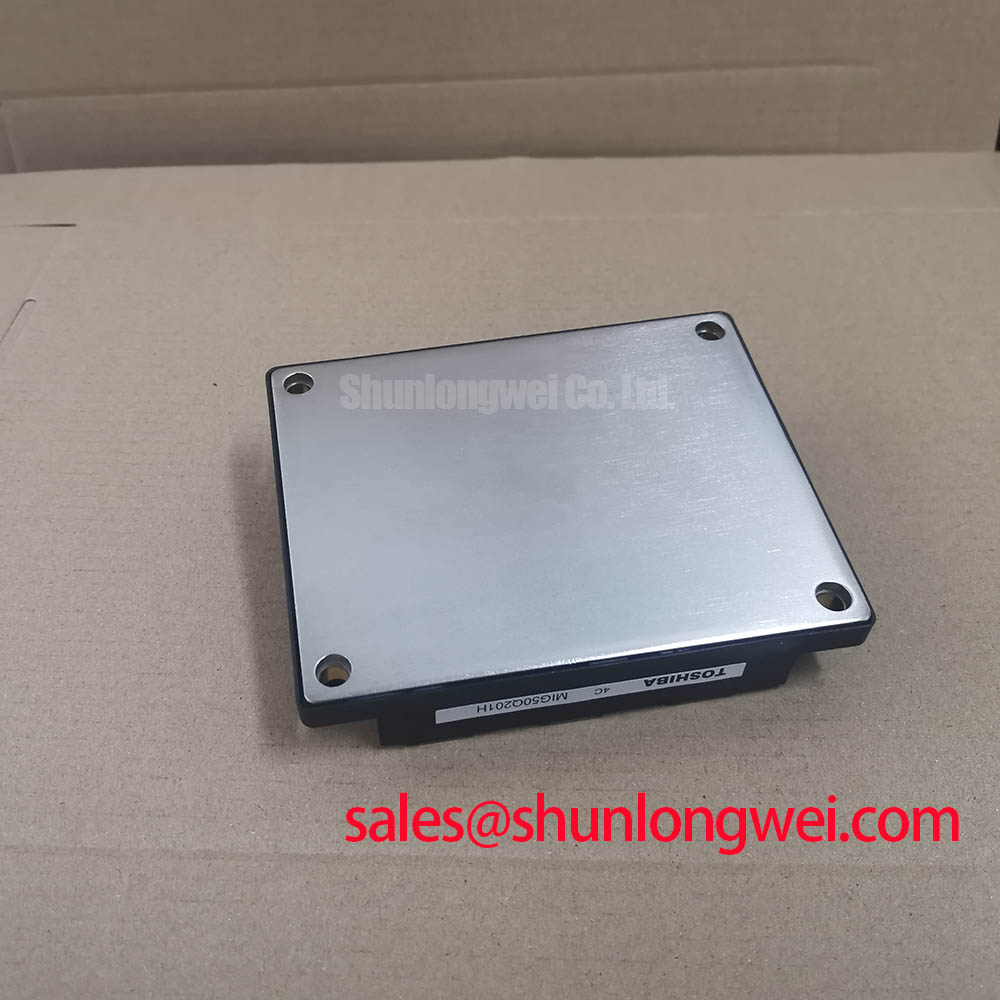
Effective thermal management is critical for the reliability of any power module. The MIG50Q201H features an electrically isolated case, allowing it to be mounted directly to a common heatsink with other components without the need for additional insulating layers. This component’s thermal resistance can be thought of as the width of a pipe for heat to flow through; a lower resistance value means a wider pipe, allowing heat to dissipate more effectively from the IGBT junctions to the heatsink. Proper mounting and the use of a suitable thermal interface material are key to maximizing this efficiency and ensuring long-term operational stability.
The module also includes a suite of built-in protection functions. These circuits guard against over-current, under-voltage, and over-temperature events. This integration not only enhances system robustness but also offloads complex protection logic from the main system controller. The real-time current control (RTC) feature further provides a layer of precise control, essential for sophisticated motor drive applications.
Optimized Application Scenarios
The characteristics of the MIG50Q201H make it a strong candidate for several power conversion applications:
- Variable Frequency Drives (VFDs): The integrated inverter and brake circuit is the standard topology for three-phase AC motor control, simplifying the design of compact and reliable VFDs.
- Servo Drives: Fast and protected switching, enabled by the integrated drive circuits, is essential for the high-precision positioning required in robotics and CNC machinery.
- Uninterruptible Power Supplies (UPS): The module’s robust power stage and protection features contribute to the high availability required in industrial UPS systems.
- General-Purpose Inverters: The all-in-one nature of the module accelerates the development of various power conversion systems, including solar inverters and welding power supplies.
This IPM is best matched for motor control systems requiring a consolidated, protected, and thermally efficient power stage up to approximately 20 kW.
Key Technical Specifications
| Absolute Maximum Ratings (Ta = 25°C) | |
|---|---|
| Supply Voltage (VC) | 450V |
| Collector-Emitter Voltage (VCES) | 600V |
| Collector Current (DC) (IC) | 50A |
| Forward Current of FWD (DC) (IF) | 50A |
| Collector Power Dissipation (PC) | 230W |
| Junction Temperature (Tj) | 150°C |
| Electrical Characteristics | |
| Collector-Emitter Saturation Voltage (VCE(sat)) (Max) | 3.5V |
| Turn-off Time (toff) (Max) | 2.6 µs |
| Diode Forward Voltage (VF) (Max) | 3.5V |
| Diode Reverse Recovery Time (trr) (Max) | 0.21 µs |
Note: This table presents selected values. Engineers must consult the official product datasheet for complete specifications and operating conditions.
Engineer’s FAQ
1. What are the key mounting considerations for the MIG50Q201H?
To ensure optimal thermal performance, the module must be mounted on a flat, clean heatsink surface (typically with a flatness tolerance of -50 µm to +100 µm). A uniform layer of thermal grease should be applied to minimize thermal resistance. Use the specified mounting screw torque to avoid mechanical stress on the module’s substrate.
2. How do the integrated protection circuits function?
The module includes dedicated circuits that monitor for over-current (OC), under-voltage (UV), and over-temperature (OT). If a fault condition is detected, the internal drive circuit will initiate a soft shutdown of the IGBTs and output a fault signal (FO). This prevents catastrophic failure and helps in system-level diagnostics.
3. What is the role of the Real-Time Current Control (RTC) circuit?
The RTC feature provides a mechanism for rapid, cycle-by-cycle current limiting. It offers a faster response than typical microcontroller-based feedback loops, providing robust protection against short-circuit events and sudden load changes, a crucial factor in preventing IGBT failures.
4. Can I parallel these modules for higher current output?
Intelligent Power Modules like the MIG50Q201H are generally not designed for direct paralleling due to the complexity of ensuring current sharing between the internal drive and protection circuits. For applications requiring higher current, selecting a single module with a higher current rating is the recommended approach.
Enabling Compact and Reliable Power Design
The Toshiba MIG50Q201H offers a technically sound solution for engineers developing three-phase power conversion systems. Its all-in-one design, which integrates the power stage with essential drive and protection functionalities, directly addresses the need for reduced system size, simplified assembly, and enhanced operational reliability. This module provides a solid foundation for building efficient and robust motor drives and inverters.