PFT1503N NIEC Ultra-Fast Recovery Diode Module: High-Efficiency 300V 150A Power Rectification
PFT1503N NIEC Fast Recovery Diode Module | 300V 150A
High-Frequency Rectification with Optimized Switching Efficiency
The PFT1503N is an industrial-grade, ultra-fast recovery diode (FRD) module engineered by Nihon Inter Electronics Corporation (NIEC) to minimize switching losses in high-speed power conversion systems. This module provides a robust balance of high current capability and rapid commutation, addressing the critical engineering challenge of electromagnetic interference (EMI) suppression in modern power designs. By achieving extremely short reverse recovery times, it allows for superior efficiency in high-frequency inverters and DC-DC converters.
- Core Specifications: 300V Repetitive Peak Reverse Voltage | 150A Average Forward Current | Ultra-Fast Reverse Recovery.
- Key Advantages: Reduced heat generation during high-frequency switching and simplified thermal protection due to its low forward voltage drop.
- Design Intention: Answers the engineering need for reliable secondary-side rectification in welding power supplies and induction heating equipment operating at frequencies where standard diodes would fail due to excessive recovery heat.
Download Official PFT1503N Datasheet (PDF)
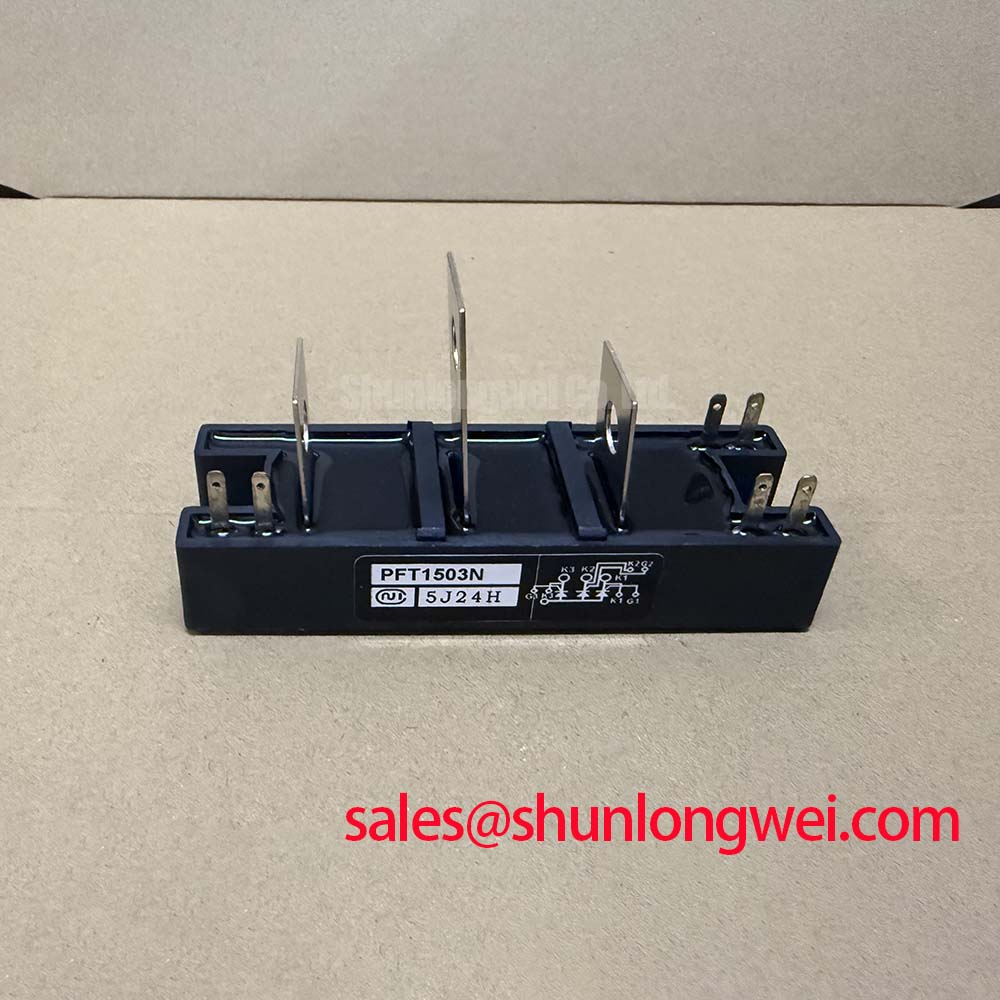
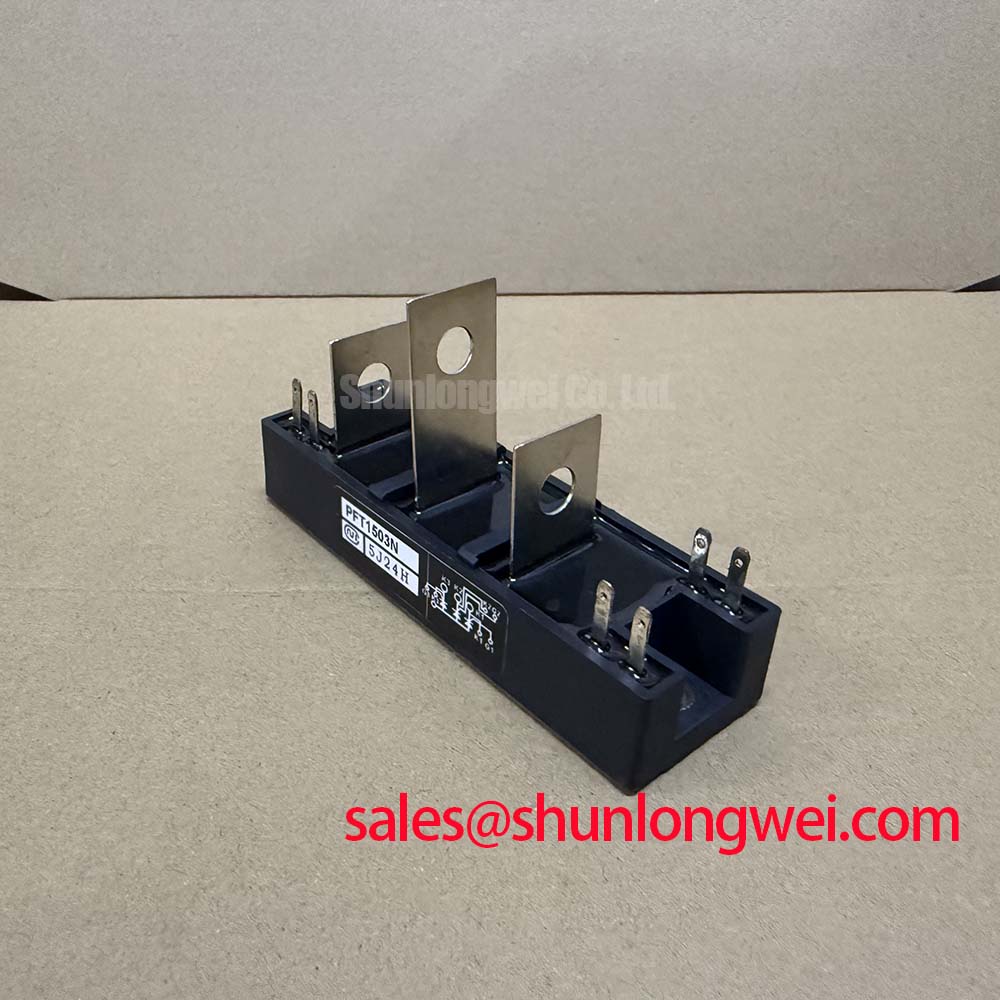
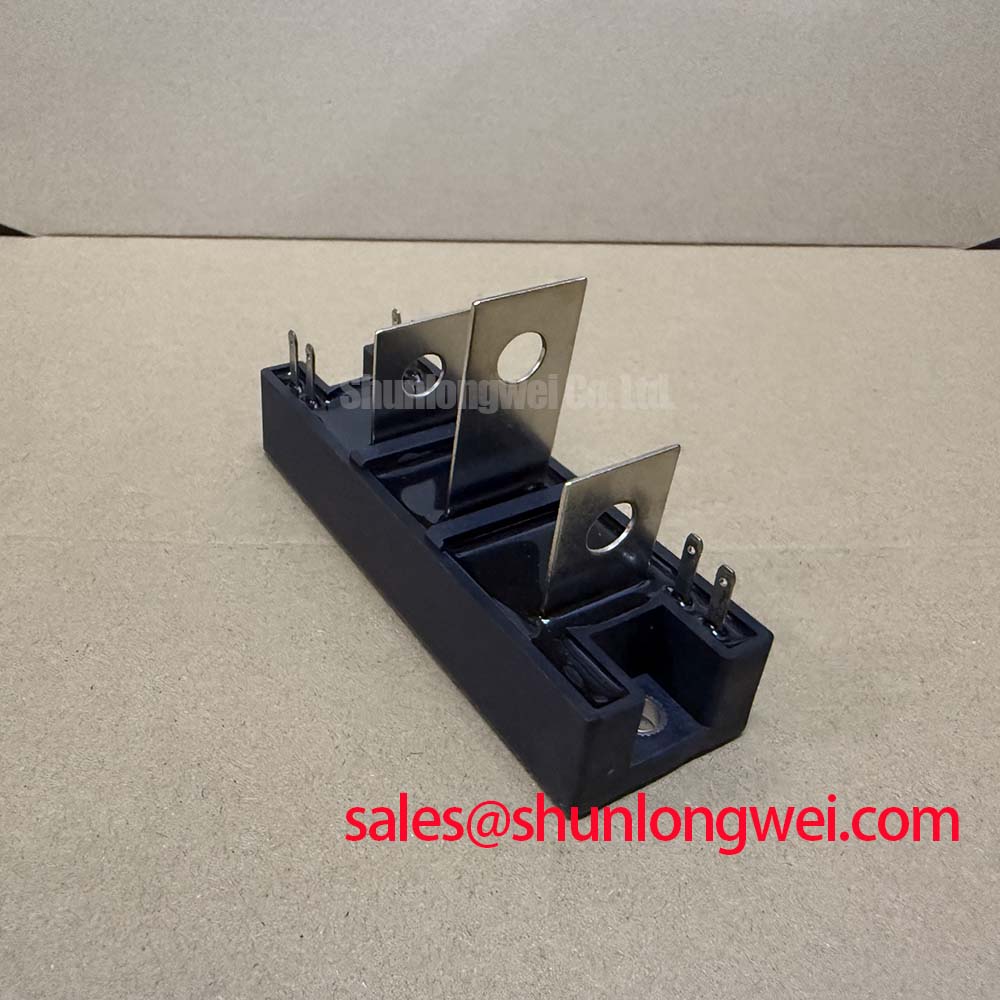
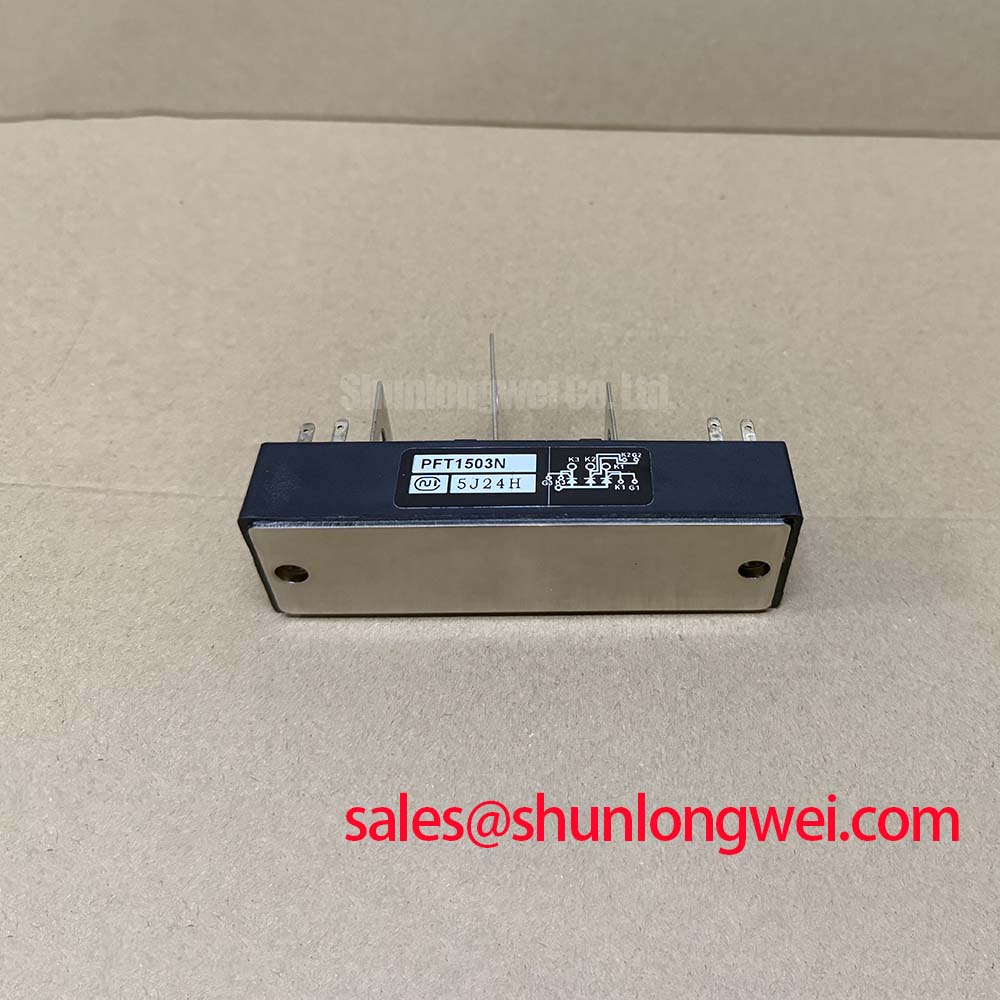
Technical Analysis: Precision Commutation and Thermal Stability
The PFT1503N distinguishes itself through its optimized reverse recovery time (trr), which is typically rated in the nanosecond range. In power electronics, reverse recovery behaves much like the “braking distance” of a vehicle; a shorter distance—or in this case, time—ensures that the diode ceases conduction rapidly when the voltage is reversed. This prevents large peak reverse currents that would otherwise manifest as wasted energy and damaging heat. This precise control is vital when optimizing power semiconductor performance within complex switching circuits.
From a mechanical perspective, the PFT1503N utilizes an isolated baseplate design. This facilitates safer mounting on a common heatsink with other power components without requiring additional insulation pads, which often increase thermal resistance. By maintaining a low junction-to-case thermal resistance, the module ensures that the waste heat generated during the forward conduction phase is efficiently evacuated. This thermal efficiency is a cornerstone for engineers performing thermal design calculations, allowing for more compact cooling systems in high-density power modules.
Optimized Application Scenarios
- Inverter Welding Machines: Suitable for high-speed output rectification where stable arc characteristics depend on the fast recovery of the power diodes.
- High-Frequency Induction Heating: The PFT1503N handles rapid current transitions in resonant tank circuits, reducing overall system stress.
- Switching Power Supplies (SMPS): Acts as a secondary rectifier in large-scale industrial units to maintain efficiency across varying load conditions.
- Uninterruptible Power Supplies (UPS): Provides low-loss path for battery charging and output regulation in critical backup power systems.
Best Match: The PFT1503N is the ideal choice for 300V-class DC rectification where switching frequencies exceed 20kHz and current loads approach 150A.
Key Specifications Table
| Category | Parameter | Value (Typical/Max) |
|---|---|---|
| Absolute Maximum Ratings | Repetitive Peak Reverse Voltage (VRRM) | 300 V |
| Average Forward Current (IF(AV)) | 150 A (at Tc=82°C) | |
| Electrical Characteristics | Forward Voltage Drop (VF) | 1.25 V (at IF=150A) |
| Reverse Recovery Time (trr) | 100 ns (max) | |
| Thermal & Isolation | Isolation Voltage (VISO) | 2000 VRMS |
| Operating Junction Temperature (Tj) | -40 to +150 °C |
Engineer FAQ
Q1: What is the recommended mounting torque for the PFT1503N terminals?
A: Based on standard NIEC module guidelines, the mounting torque for the base and terminals typically ranges between 2.0 and 3.0 N·m. Proper torque is essential to ensure low electrical resistance and optimal thermal contact with the heatsink.
Q2: Can the PFT1503N be used in parallel to increase current capacity?
A: Yes, however, due to the negative temperature coefficient of the forward voltage, engineers must ensure symmetrical layout and adequate current sharing. Derating may be necessary to account for potential thermal imbalances between modules.
Q3: How does the ultra-fast recovery time impact EMI in my design?
A: The fast recovery characteristic significantly reduces the “softness” of the recovery tail, minimizing high-frequency ringing. This helps in meeting strict EMC compliance standards without requiring overly bulky or expensive snubber circuits.
The PFT1503N remains a staple for power systems designers who demand reliable high-current rectification without sacrificing switching speed. By leveraging its low thermal resistance and ultra-fast recovery profile, engineers can achieve higher power densities while maintaining long-term reliability in harsh industrial environments.