Samsung LTM150XH-L01: A Technical Review for Industrial System Integration
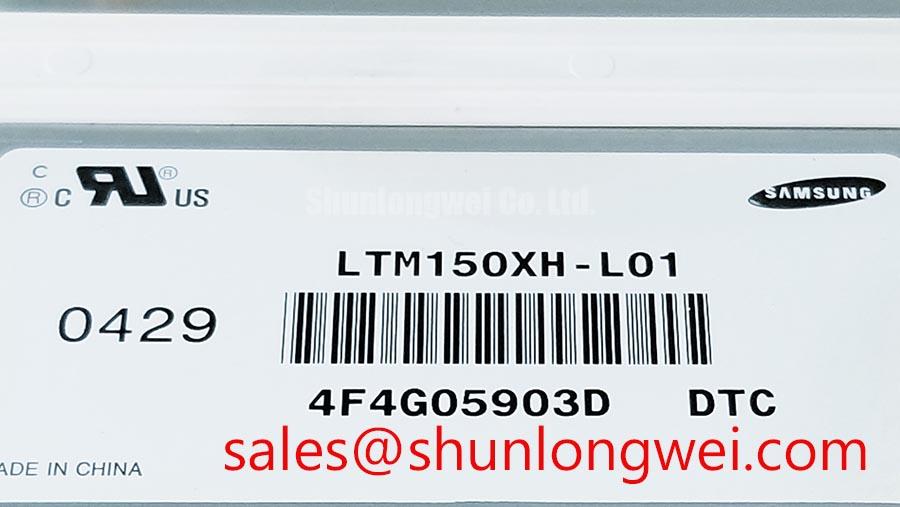
Samsung LTM150XH-L-01 15.0″ XGA TFT-LCD Module
Engineered for Reliability in Industrial & Commercial Systems
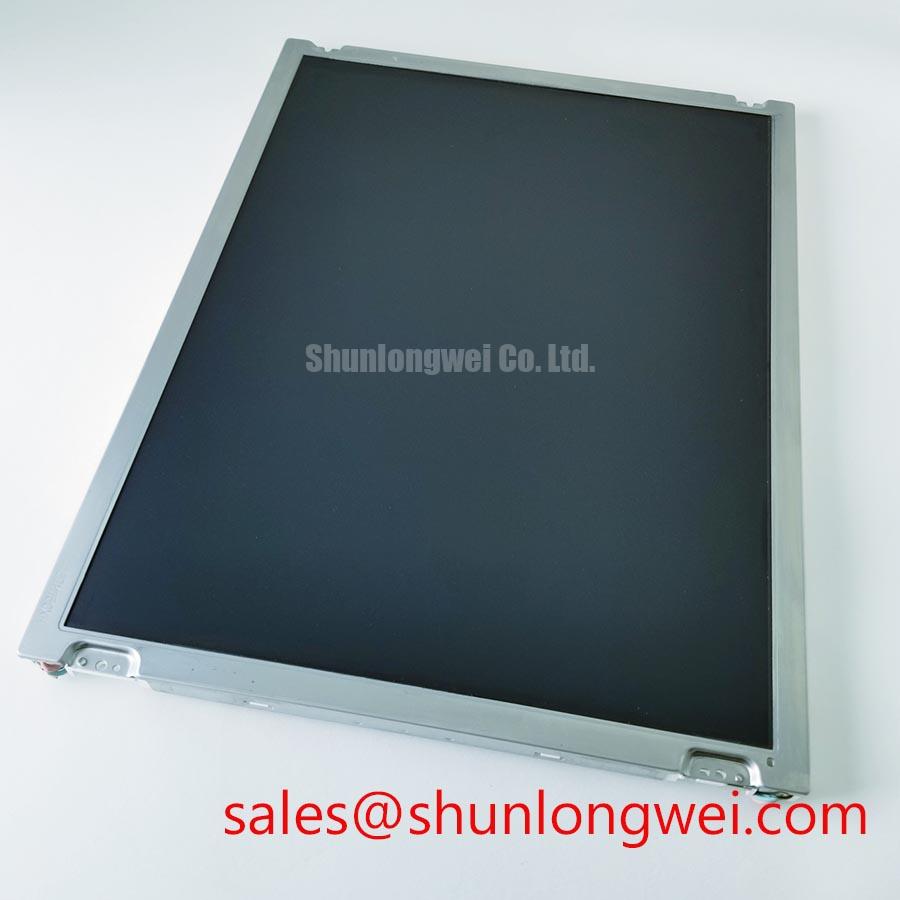
The Samsung LTM150XH-L01 is a 15.0-inch color active matrix TFT-LCD module delivering proven performance for systems that demand long-term reliability. Its standard XGA resolution and robust construction make it a consistent choice for industrial HMIs, medical devices, and POS terminals where dependable visual output is essential. This display balances optical clarity with operational stability, providing a durable solution for new designs and legacy system sustainment.
- Core Specifications: 1024×768 XGA | 300:1 Contrast Ratio | 4-CCFL Backlight.
- Key Advantages: Standardized LVDS interface for straightforward integration. Proven a-Si TFT technology for consistent, reliable operation.
- Integration Focus: The display’s 4:3 aspect ratio is ideal for retrofitting older systems designed for non-widescreen formats, simplifying hardware upgrades without software redesign.
Download the official LTM150XH-L01 Datasheet (PDF)
A Technical Analysis for System Integration
The LTM150XH-L01 is built on an amorphous silicon (a-Si) TFT active matrix, a technology valued for its stability and manufacturability. This choice provides a cost-effective yet reliable foundation, suitable for applications where consistent performance over a long operational life is more critical than cutting-edge speed or pixel density. The panel supports an 8-bit color depth, enabling it to render up to 16.2 million colors for clear and detailed graphical user interfaces. This capability ensures that HMIs and instrument readouts are unambiguous and easily interpreted by operators.
Visual performance is characterized by a typical brightness of 250 cd/m² and a contrast ratio of 300:1. The contrast ratio can be visualized as the optical distance between the screen’s brightest white and darkest black. A 300:1 ratio ensures that text, numbers, and graphics are distinct and legible in typical indoor industrial and commercial lighting environments. The display’s surface features an anti-glare treatment with a hard coating (3H), reducing reflections from ambient light and providing resistance to surface scratches.
Optimized Application Scenarios
The LTM150XH-L01’s specification set makes it a strong candidate for several key applications:
- Industrial Machine Monitors: The standard 1024×768 resolution and 4:3 aspect ratio are ideal for legacy HMI software, allowing for direct panel replacement without UI redevelopment.
- Point-of-Sale (POS) Terminals: Its 15-inch diagonal provides sufficient area for displaying transaction details and soft-key inputs, while the anti-glare surface improves usability under bright retail lighting.
- Test and Measurement Equipment: The panel offers the necessary clarity for displaying waveforms, schematics, and numerical data accurately.
- AV Application Products: Suitable for integration into custom enclosures where a reliable, standard-definition display is required for information or video playback.
This module is an optimal match for systems requiring a durable 15-inch XGA display with a proven, industry-standard LVDS interface for long-term deployments.
Key Specifications of the LTM150XH-L01
| Parameter | Specification |
|---|---|
| Manufacturer | Samsung |
| Screen Size | 15.0 inches |
| Resolution | 1024(RGB)×768, XGA |
| Pixel Pitch | 0.297(H) x 0.297(W) mm |
| Active Area | 304.128(H) × 228.096(V) mm |
| Display Mode | TN, Normally White, Transmissive |
| Brightness | 250 cd/m² (Typ.) |
| Contrast Ratio | 300:1 (Typ.) |
| Viewing Angle (L/R/U/D) | 70/70/55/65 (Typ.) (CR≥10) |
| Response Time | 5/20 ms (Typ.) (Tr/Td) |
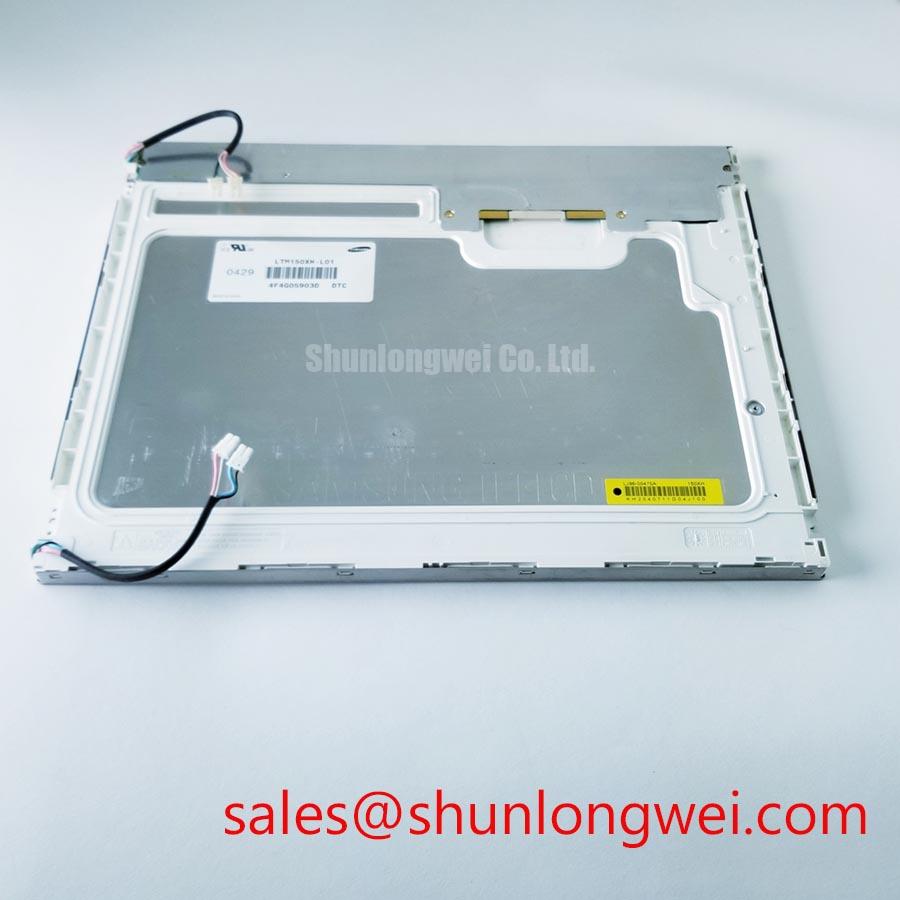
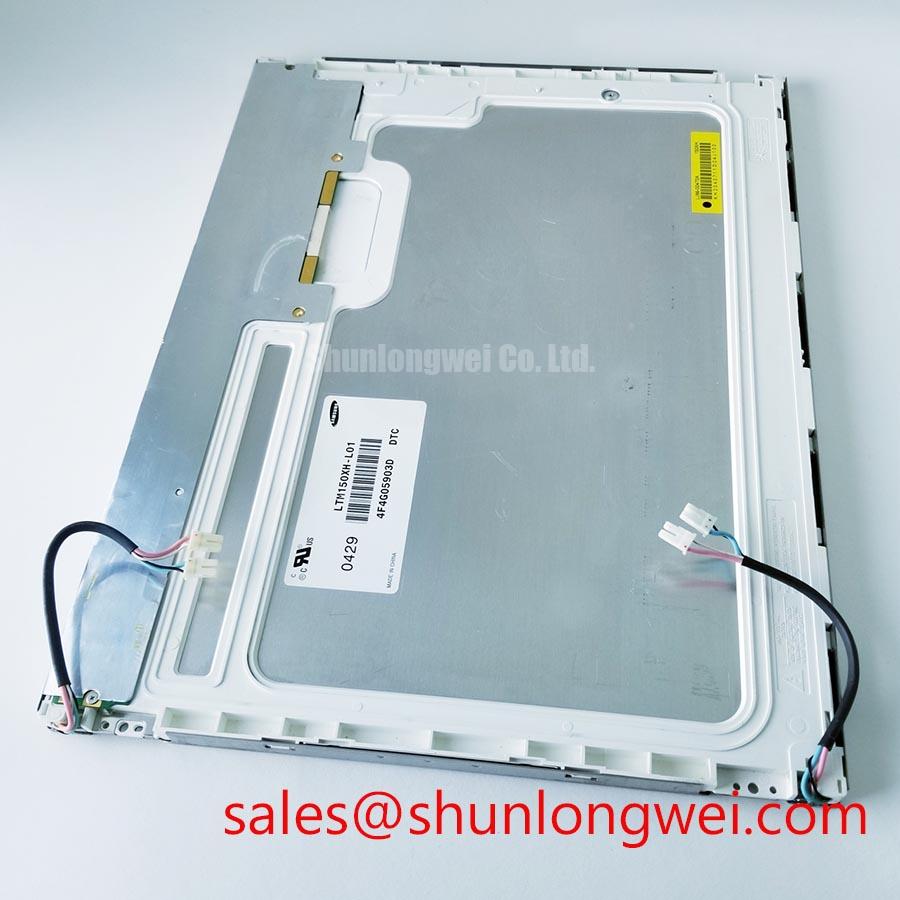
| Signal Interface | LVDS (1 ch, 8-bit), 20 pins |
| Backlight System | 4 pcs CCFL, 35K hours (Typ.) |
| Operating Temperature | 0°C to 50°C |
| Storage Temperature | -20°C to 60°C |
Engineer’s FAQ
What is the specific signal interface for the LTM150XH-L01 and what are its benefits?
The LTM150XH-L01 utilizes a single-channel, 8-bit LVDS (Low-Voltage Differential Signaling) interface with a 20-pin connector. LVDS is a robust digital standard ideal for industrial settings as it offers excellent noise immunity and allows for longer cable runs between the display and the system controller compared to older parallel interfaces.
What are the thermal management considerations for this CCFL-backlit display?
The LTM150XH-L01 operates from 0°C to 50°C. Since it uses a 4-tube CCFL backlight system, designers must account for the heat generated by the backlight inverter. Proper ventilation within the enclosure is crucial to ensure the panel remains within its specified operating temperature range to prevent premature aging and maintain stable brightness.
How does the TN panel technology affect the viewing angle?
This module uses TN (Twisted Nematic) panel technology. The datasheet specifies typical viewing angles of 70° left/right, 55° up, and 65° down (with CR≥10). While functional for direct-view applications like operator panels, it’s important to note that color and contrast shifts can occur at wider angles. For systems requiring multi-viewer, wide-angle clarity, a display with IPS (In-Plane Switching) technology may be a more suitable choice.
Is this model suitable for a new design in 2025?
The LTM150XH-L01 is a mature product. It is exceptionally well-suited for service, repair, and recertification of existing equipment that was originally designed with this or compatible panels. For brand new designs, engineers might consider modern panels with LED backlights for lower power consumption and thinner profiles, but for maintaining compatibility, this display remains a primary choice.
Enabling System Longevity
The LTM150XH-L01 offers a straightforward path for maintaining the operational life of industrial and commercial equipment. By adhering to established interface and resolution standards, it allows engineers to source a reliable component that ensures consistent performance and minimizes the need for costly system redesigns. Its durable build and stable optical characteristics support the objectives of long-term system reliability.