Sharp LJ512U25A: A High-Reliability EL Display for Extreme Environments
Sharp LJ512U25A 512×256 EL Display for Extreme Environments
Introduction to the LJ512U25A Electroluminescent Display Unit
The Sharp LJ512U25A is a high-performance electroluminescent (EL) display unit engineered for applications demanding exceptional image clarity and operational robustness. Its core value is delivering consistent, high-contrast visuals across an extremely wide operating temperature range where conventional LCDs may falter. This self-illuminating display technology ensures superior readability and reliability for critical industrial and instrumentation systems.
- Core Specifications: 512 x 256 Resolution | 16-Level Grayscale | -20 to +65°C Operating Temperature
- Key Advantages: Superior readability in variable lighting conditions, exceptional resistance to shock and vibration, and stable performance in sub-zero environments.
- Application Focus: Provides a durable HMI solution for systems where operational uptime in extreme environments is non-negotiable.
A verified datasheet is not publicly available. The specifications presented are compiled from industry-standard legacy data.
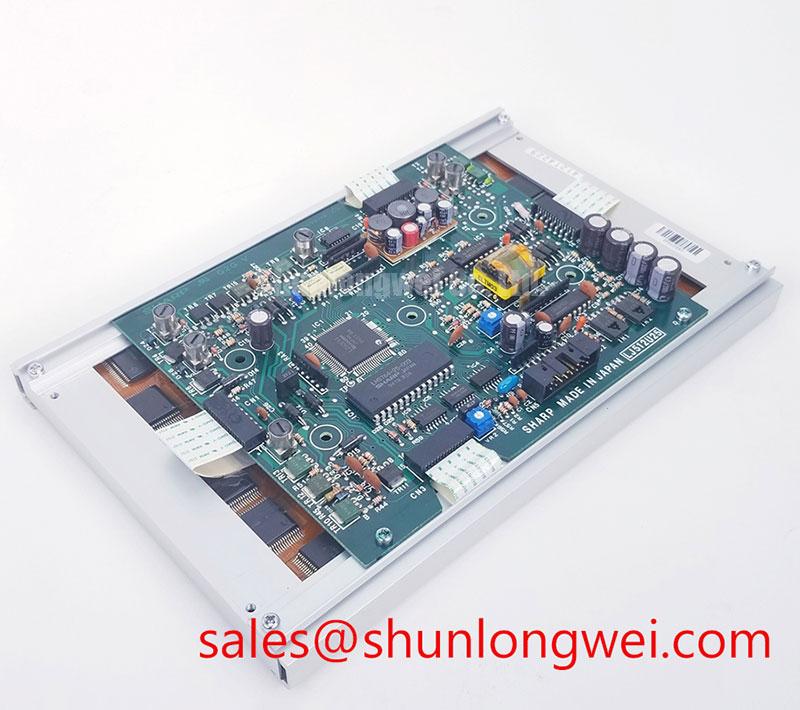
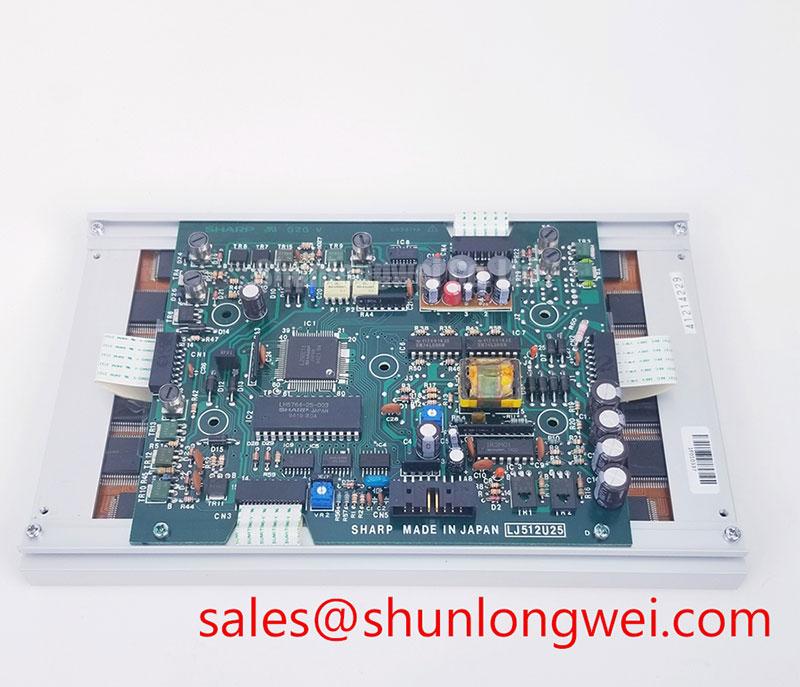
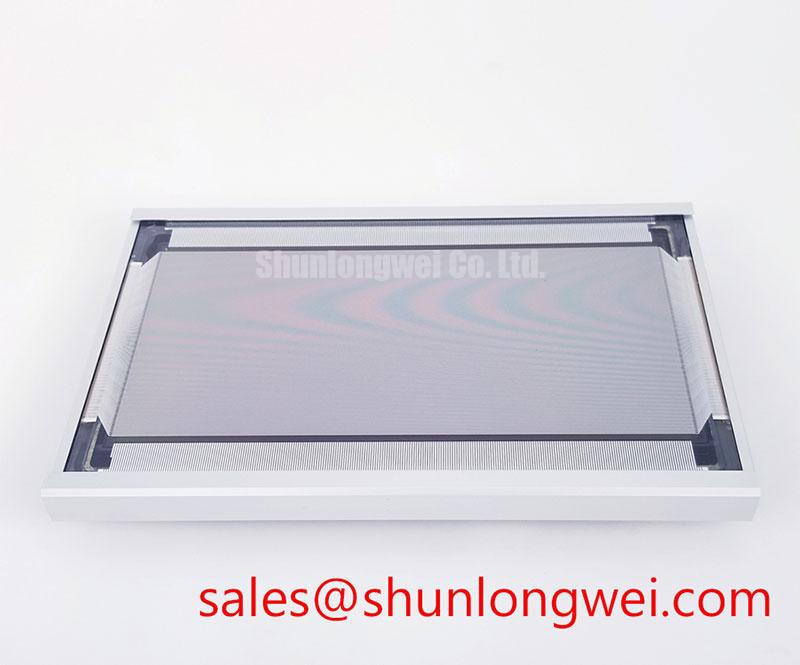
Technical Analysis for System Integration
The LJ512U25A’s performance is rooted in its electroluminescent technology. Unlike backlit liquid crystal displays, each pixel in an EL panel is a self-emitting light source. This architecture provides an inherently high contrast ratio and an exceptionally wide, symmetrical viewing angle of 160 degrees. For an engineer, this means the displayed information remains clear and unambiguous, regardless of the operator’s viewing position or the ambient lighting conditions, from direct sunlight to low-light environments.
The most significant engineering advantage is the display’s wide operating temperature range of -20 to +65°C. This parameter is critical for equipment deployed in unregulated environments. Think of the internal components’ performance like a fluid’s viscosity. In a standard LCD, the liquid crystal can thicken in the cold, much like honey, causing slow response times and ghosting. The solid-state phosphors in the LJ512U25A are not susceptible to this, ensuring crisp, immediate screen updates even in freezing conditions. This makes it a highly reliable choice for outdoor terminals, avionics, and unheated industrial facilities.
Optimized Application Scenarios
The specific characteristics of the LJ512U25A make it a strong candidate for applications where standard displays are not viable.
- CNC & PLC Controllers: The display’s immunity to electrical noise and temperature fluctuations ensures reliable operator interaction on the factory floor.
- Avionics and Military Systems: High-contrast, flicker-free imaging is essential for mission-critical data display in cockpits and ground-based control stations where reliability is paramount.
- Test and Measurement Equipment: Provides a clear, stable readout for portable and benchtop analyzers used in demanding field or laboratory conditions.
- Medical Diagnostic Equipment: In legacy medical systems, the sharp, clear text and graphics are crucial for accurate data interpretation.
Its proven technology makes it an optimal choice for sustaining legacy systems or for new designs requiring high-reliability visualization in harsh operational settings.
Key Specifications of the LJ512U25A
| Display Characteristics | |
|---|---|
| Manufacturer | Sharp |
| Part Number | LJ512U25A |
| Technology | Electroluminescent (EL) Display |
| Resolution | 512 x 256 pixels |
| Grayscale | 16 Levels |
| Viewing Angle | 160° (Typical) |
| Environmental and Mechanical | |
| Operating Temperature | -20°C to +65°C |
| Storage Temperature | -40°C to +85°C |
| Shock Resistance | 100 G (Typical) |
Engineer’s FAQ
How does the LJ512U25A’s performance in cold temperatures compare to a standard industrial TFT-LCD?
The LJ512U25A maintains fast response times and stable brightness down to -20°C due to its solid-state EL technology. Many TFT-LCDs exhibit slower pixel response and require backlight heaters to function effectively at similar temperatures, increasing power consumption and system complexity.
What are the primary power supply requirements for this display?
EL displays like the LJ512U25A typically require dual-voltage DC inputs, commonly +5V for logic and a higher voltage (+12V or +24V) for the drive electronics. An integrated or external DC/DC converter is used to generate the high-voltage AC needed to excite the EL phosphors. Careful review of the specific model’s requirements is essential.
What is the typical lifespan and failure mode of an EL display?
EL displays are known for their long operational life. The primary aging characteristic is a gradual decrease in brightness over many thousands of hours. Unlike the abrupt failure of a CCFL backlight in older LCDs, this graceful degradation allows for predictive maintenance in critical systems.
Is the LJ512U25A a suitable drop-in replacement for other 512×256 EL displays?
While the resolution may match, mechanical mounting, connector types, and input signal protocols can vary between manufacturers. Engineers must verify the physical dimensions and interface specifications to ensure form, fit, and function compatibility before specifying it as a replacement for another industrial display.
Enabling Reliable Visualization in Demanding Applications
The LJ512U25A EL display unit provides a robust solution for engineers developing systems that must perform without compromise. Its intrinsic high contrast, wide viewing angles, and, most importantly, its exceptional performance across a wide temperature spectrum ensure that critical data is always presented with clarity. This display technology remains a validated choice for long-life industrial, military, and medical applications where uptime and readability are critical design requirements.