Sharp LM12S471 12.1-Inch DSTN LCD Display: Technical Specifications and Integration Guide
Sharp LM12S471 12.1-Inch DSTN LCD Display Specification and Technical Overview
Introduction and Core Performance Capabilities
The Sharp LM12S471 is a legacy 12.1-inch Dual Scan passive-matrix (DSTN) monochrome TFT-LCD display module. It is engineered specifically to sustain and upgrade legacy industrial human-machine interfaces (HMIs) and control terminals. Providing a resolution of 800 x 600 pixels (SVGA format), this panel is optimized for high-reliability data visualization in demanding factory automation settings.
- Key Parameters: 12.1-Inch Diagonal | 800 x 600 (SVGA) Resolution | DSTN Passive Matrix
- Engineering Advantages: Direct replacement for discontinued legacy displays, lowering system migration and software adaptation costs.
- Interface Compatibility: Standard parallel data bus interface designed for straightforward integration with legacy graphics controllers.
Download Official LM12S471 Datasheet (PDF)
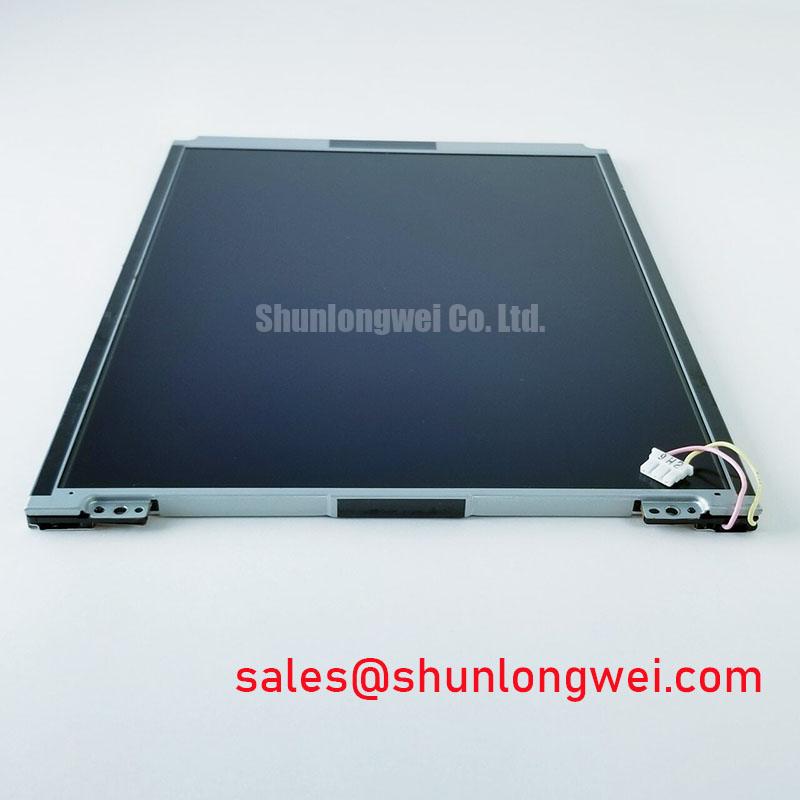

In-Depth Technical Analysis and Mechanical Architecture
For systems engineers managing lifecycle maintenance, the LM12S471 offers a verified mechanical drop-in solution to bypass costly complete system redesigns. The DSTN (Double Super-Twisted Nematic) display technology utilizes dual-scan architecture. This divides the display drive duty into two halves to improve contrast and response speed relative to older, single-scan passive panels.


To understand the optical behavior of DSTN technology, one can use a simple physical analogy. Think of the liquid crystal molecules as micro-shutters controlling light flow. While modern active-matrix (TFT) panels control each shutter with a dedicated transistor “faucet”, passive-matrix systems like the LM12S471 open and close shutters row-by-row via an orthogonal voltage grid. This grid-driving method provides consistent contrast for symbolic text, numbers, and system diagrams while eliminating the complex active circuitry prone to ESD failures in harsh environments.
The integration of this module requires careful attention to the high-voltage backlight power supply. The CCFL (Cold Cathode Fluorescent Lamp) backlight system demands an external inverter matching the native frequency and voltage specs of the lamp. Operating the display within its specified thermal boundaries ensures liquid crystal response times remain stable, mitigating the ghosting effects typical of passive display technologies during rapid frame transitions.
Industrial Applications and Integration Value
The LM12S471 is specifically optimized for long-term maintenance in critical industrial systems, including:
- CNC Machining Terminals: Excellent legibility for G-code coordinate tracking and static toolpath displays.
- Legacy PLCs and HMIs: Perfect match for old industrial operating panels, extending machine service life without necessitating firmware rewrites.
- Text-Based Instrumentation: Suitable for medical diagnostics and chemical analyzers relying on legacy graphical cards.
Best Fit Verdict: This module is the optimal replacement for legacy 12.1-inch SVGA passive displays requiring physical and electrical compatibility with pre-2000 industrial machinery controllers.
Key Specifications and Operational Ratings
The following table lists the verified physical and electrical parameters of the LM12S471 based on official technical specifications:
| Parameter Category | Specification Description | Value / Rating |
|---|---|---|
| Physical & Optical | Diagonal Size | 12.1 inches (31 cm) |
| Resolution | 800 x 600 (SVGA) | |
| Display Mode | DSTN Monochrome / Passive Matrix | |
| Backlight Unit | CCFL (replaceable lamp assembly) | |
| Electrical & Signal | Input Interface | Parallel Data Bus (Monochrome) |
| Logic Supply Voltage (VDD) | 5.0V (Typical) | |
| LCD Driving Voltage (VEE) | External negative voltage supply required |
Frequently Asked Questions for Design Engineers
Can I swap my active-matrix TFT display with the LM12S471?
No. Passive-matrix DSTN displays like the LM12S471 utilize different timing controllers, voltage levels, and pinouts compared to active-matrix TFT panels. This display is only suitable as a direct replacement for existing DSTN panels with matching controllers.
What causes ghosting on this screen, and how can it be mitigated?
DSTN liquid crystal technology inherently exhibits slower response speeds than modern panels. To keep response times optimized, ensure the operating ambient temperature is maintained within the display’s normal specifications (typically 0°C to 40°C), as colder temperatures slow the liquid crystal transition speed.
Does the LM12S471 require an external inverter for the backlight?
Yes. The CCFL lamp integrated into the module requires an external high-voltage AC inverter. You must match the voltage and frequency output of your system’s existing inverter to the requirements listed in the official datasheet to ensure lamp stability and longevity.
Lifecycle and Support Commitment
As a highly specialized component trader, we recognize the critical role legacy displays play in keeping valuable manufacturing infrastructure online. The LM12S471 represents a key resource for sustaining older equipment. We support engineers by providing verified technical specifications, mechanical dimensions, and electrical interface definitions directly sourced from official manufacturer documentation to ensure accurate integration.