Sharp LM320194: A Robust, High-Clarity Display for Industrial and Legacy Systems
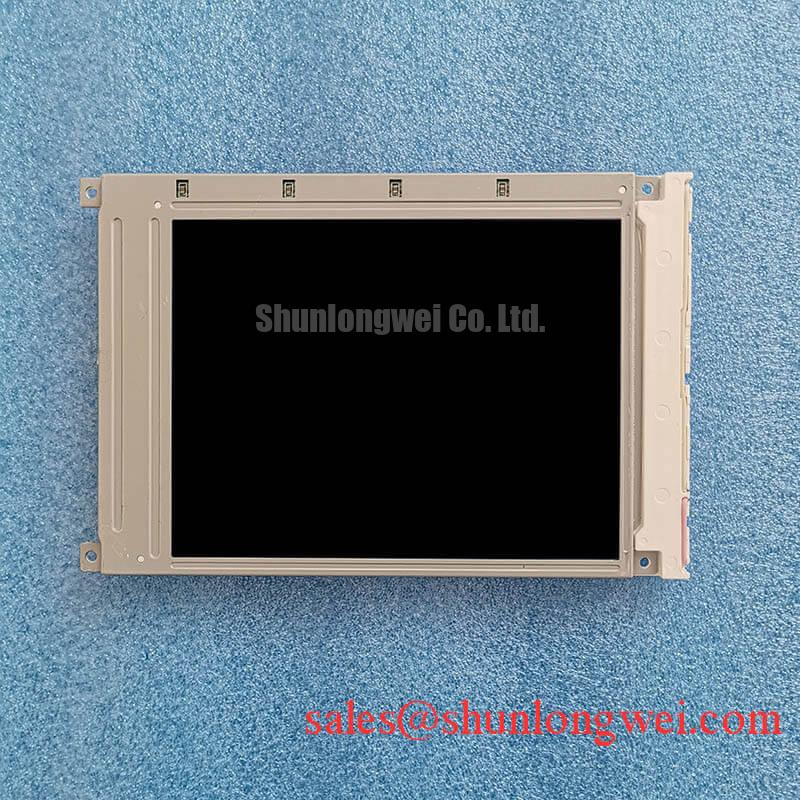
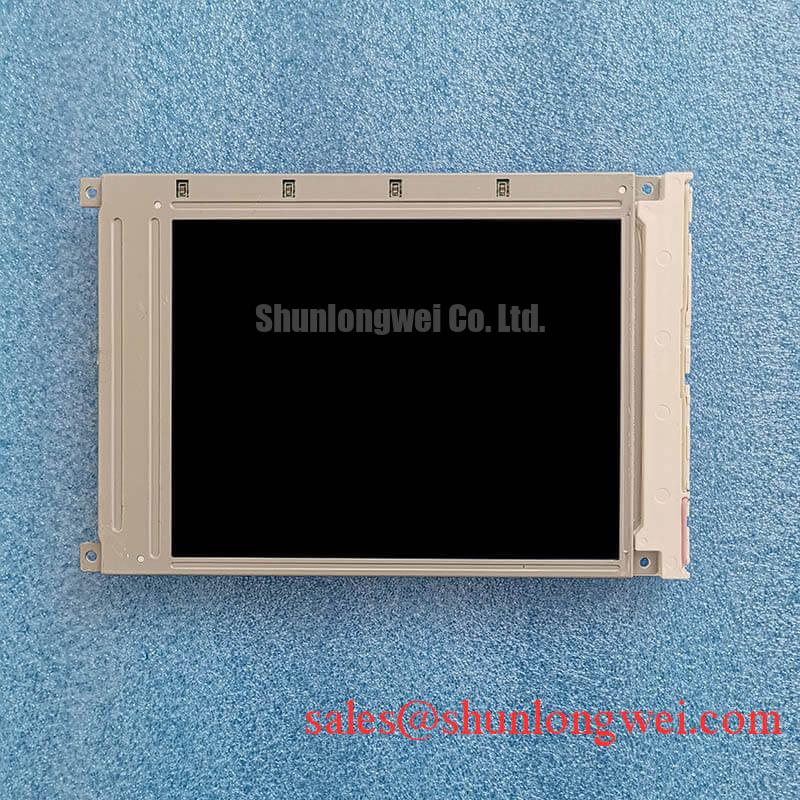
Sharp LM320194 5.7-inch FSTN Dot Matrix LCD Module
Introduction to a High-Clarity Industrial Display
The Sharp LM320194 is a 5.7-inch FSTN dot matrix LCD module engineered for sustained performance in industrial applications. Its core value proposition is delivering exceptional readability in variable lighting conditions through its transflective display technology, combined with a straightforward 4-bit parallel interface for reliable integration into legacy and new systems. This display provides a proven, high-contrast monochrome solution.
- Core Specifications: 5.7-inch | 320×240 (QVGA) | Transflective FSTN
- Key Advantages: Consistent readability in bright and low light, simplified system integration.
- Application Focus: Ideal for replacing or designing into systems that require a robust monochrome HMI with a long operational life.
Download a Reference Datasheet (PDF)
Technical Analysis for System Integration
Transflective FSTN for All-Environment Readability
The defining feature of the LM320194 is its transflective FSTN (Film-compensated Super-twisted Nematic) screen. This technology allows the display to be read in direct sunlight by reflecting ambient light, and also in dark environments using its internal CCFL (Cold Cathode Fluorescent Lamp) backlight. For an engineer, this dual-mode capability eliminates the common problem of screen washout in bright conditions, ensuring critical data is always visible without requiring a high-power backlight that could increase thermal load and energy consumption.
Engineered for Durability and Legacy Support
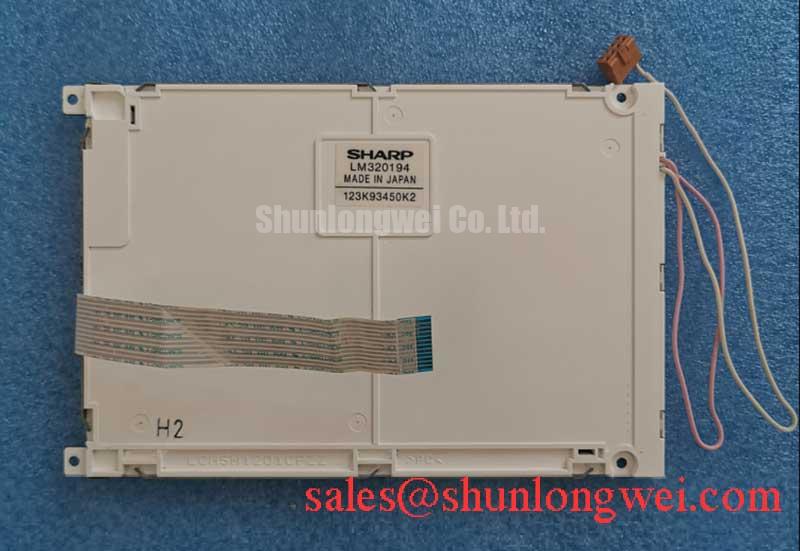
The module’s architecture is rooted in proven technology for long-term reliability. The CCFL backlight, a mature and stable illumination source, provides a consistent and known performance profile suitable for many industrial instruments. Its 4-bit parallel data interface is a key factor for system compatibility. Think of this interface as a simple, direct road for data—it is not a multi-lane highway, but it is exceptionally reliable and easy to integrate with a vast number of industrial microcontrollers without complex driver development. This makes the LM320194 an effective component for servicing or upgrading existing equipment.
Optimized Application Scenarios
The specific feature set of this module makes it well-suited for several applications where clarity and reliability are paramount.
- Industrial Control Panels: The high-contrast monochrome output is excellent for displaying machine status, process variables, and alerts without the complexity of a color display. The transflective screen ensures readability on a factory floor with varied lighting.
- Test and Measurement Equipment: Field technicians can rely on the display’s readability in both indoor lab environments and outdoor settings, a direct benefit of its transflective properties.
- Medical Instrumentation: The crisp, clear presentation of numerical data and simple graphics is critical for devices where data accuracy is non-negotiable.
- Legacy System Maintenance: The standard 320×240 resolution and parallel interface make it a strong candidate for drop-in replacement of older, failing displays, extending the life of valuable equipment.
This display is an optimal match for systems requiring a dependable, long-term QVGA monochrome HMI with versatile readability.
Key Specification Parameters
| Parameter | Specification |
|---|---|
| Manufacturer | Sharp |
| Model | LM320194 |
| Screen Size | 5.7 inch |
| Resolution | 320 x 240 (QVGA) |
| Display Technology | STN-LCD, Transflective |
| Active Area | 115.17(H) × 86.37(V) mm |
| Interface | 4-bit Parallel Data |
| Backlight | CCFL |
| Supply Voltage (Logic) | 5.0V (Typ.) |
| Operating Temperature | 0°C to 45°C |
Engineer FAQ
What is the expected lifespan of the CCFL backlight?
Datasheets for displays like the LM320194 typically specify a backlight half-life, often in the range of 20,000 to 50,000 hours. This figure represents the time until the backlight’s brightness degrades to 50% of its initial value under specified operating conditions. For precise planning, consulting the official manufacturer’s datasheet is essential.
What are the main considerations when interfacing with the 4-bit parallel bus?
Successful integration requires careful attention to three areas: logic voltage levels (ensuring the host controller matches the 5.0V logic), signal timing (adhering to the setup and hold times specified in the datasheet), and the physical connection via the 12-pin FPC. A clean PCB layout with short traces is recommended to maintain signal integrity.
Is this display suitable for a new battery-powered, handheld device?
While the transflective technology is excellent for outdoor readability, the CCFL backlight requires an inverter and consumes more power than modern LED backlights. Therefore, for new, power-sensitive handheld designs, a display with an LED backlight might be a more efficient choice. However, for mains-powered devices or legacy systems, this is less of a concern.
How should the module be handled to prevent ESD damage?
The driver ICs on the LCD module are sensitive to electrostatic discharge (ESD). It is critical to use ESD-safe practices during handling and assembly, including grounded wrist straps and ESD-protective work surfaces. Avoid touching the interface connector pins directly. Exploring resources on ESD protection for industrial LCDs can provide further design guidance.
Enabling System Longevity and Performance
The LM320194 offers a direct path for engineers to ensure the long-term viability and performance of industrial equipment. By combining a highly readable transflective screen with a robust and widely supported interface, this Dot Matrix LCD module provides a stable and reliable HMI solution. It addresses the practical need for clear data presentation in diverse and challenging industrial environments.