Sharp LM64C15P 9.4-Inch Industrial Color STN LCD Display: A Technical Guide
Sharp LM64C15P 9.4-Inch Industrial Color STN LCD Display
Introduction and Core Highlights
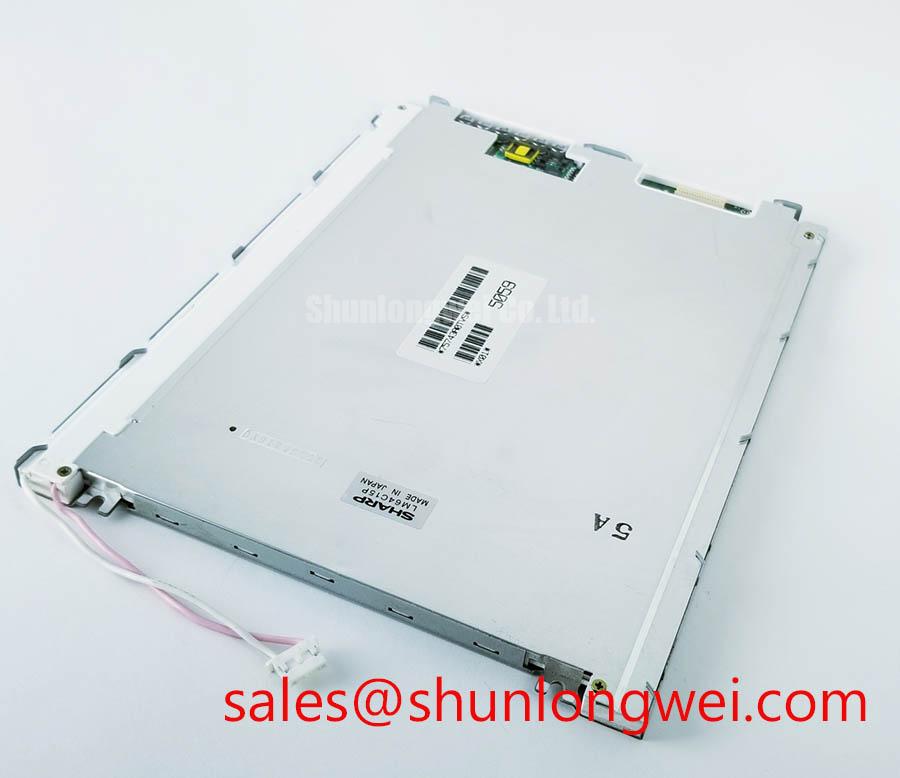
The Sharp LM64C15P is a legacy 9.4-inch passive-matrix color STN display panel engineered to sustain high-reliability industrial control systems. Providing a native VGA resolution, this robust hardware serves as a critical drop-in replacement screen for older machinery where downtime is not an option. Integrating this module directly preserves existing bezel setups and electrical interfaces.
- Key Specifications: 9.4-Inch Diagonal | 640 x 480 VGA Resolution | Color STN Mode
- Key Engineering Advantages: Direct mechanical drop-in compatibility | Standard parallel interface timing
For engineers addressing legacy maintenance, sourcing a verified LM64C15P prevents expensive redesigns of LCD core technology architectures.
View High-Resolution Image (PDF Format)
Technical Analysis of Passive Matrix Performance
To understand the performance of the LM64C15P, one must analyze its passive-matrix addressing system. Passive-matrix color STN panels use a grid of intersecting electrodes to charge pixels. This mechanism can be compared to a grid-patterned irrigation system with a single water control valve per channel. Instead of watering every plant simultaneously, the system opens one valve at a time. The soil must retain moisture until the cycle repeats. Similarly, the liquid crystal molecules in this passive panel must hold their orientation between multiplexed refresh cycles, which directly influences the display’s contrast ratio and response speed.

The LM64C15P relies on a Cold Cathode Fluorescent Lamp (CCFL) backlight. CCFL technology requires an external high-voltage inverter, typical for the design era of this display. Managing the industrial LCD backlight lifespan is essential, as the luminescent output of fluorescent tubes degrades predictably over operating hours. When replacing this display in high-temperature factory environments, engineers must verify that the inverter output matches the starting voltage and current specifications found in the original manufacturer data sheet.
Furthermore, the display uses a parallel data interface. Unlike modern high-speed serialization standards, this parallel setup requires precise clock synchronization. If migrating older systems or executing a cross-brand LCD driver IC migration, timing constraints like data setup and hold times must be closely matched to avoid visual noise or signal skew.

Optimized Application Scenarios
- CNC Control Interfaces: Fits older industrial lathes and milling machines that demand standard VGA resolutions with physical bezel mounting.
- Legacy Textile Machinery HMIs: Ideal replacement for industrial weaving machines that utilize parallel interfaces and specific timing parameters.
- Medical Diagnostic Equipment: Serves as a direct spare part for legacy clinical monitors requiring monochrome or color STN visualization.
- Factory Automation Terminals: Suitable for older PLCs and monitoring panels designed around the Sharp LM64C35P or similar mechanical configurations.
This model is the optimal choice for sustaining mid-1990s industrial HMIs without redesigning the controller logic board.

Key Specifications Table
| Parameter Class | Specification Name | Value / Limit |
|---|---|---|
| Mechanical Dimensions | Screen Diagonal Size | 9.4 Inches |
| Resolution | 640 (RGB) x 480 (VGA) | |
| Active Area Dimensions | 192.0 mm (W) x 144.0 mm (H) | |
| Optical Parameters | Display Type | Color STN (Passive Matrix) |
| Typical Viewing Angle | Vertical: 35°, Horizontal: 50° | |
| Electrical & Backlight | Backlight Type | 1 x CCFL Tube |
| Signal Interface Type | Parallel Digital Interface |

Engineer FAQ
How does the LM64C15P differ from a standard TFT-LCD display?
The LM64C15P uses a passive matrix STN (Super-Twisted Nematic) architecture. Unlike active-matrix TFT-LCD screens, STN pixels are controlled by row and column electrodes without individual thin-film transistors. This creates slower response times and lower contrast ratios but offers simplified legacy system compatibility.
What voltage is required to drive the CCFL backlight on this panel?
The CCFL tube itself requires a high-voltage AC source, usually generated by an external backlight inverter. This inverter typically takes a low-voltage DC input (such as 5V or 12V) and steps it up to the tube’s striking voltage, which often exceeds 1,000 Vrms before dropping to operating levels.
Can I swap the CCFL backlight in the LM64C15P with an aftermarket LED strip?
Yes, many technicians modify this panel to use LED backlights to extend the system’s operational lifetime. However, doing so requires removing the physical CCFL tube and matching the electrical parameters of the new LED driver to the host controller’s dimming signal.
Designing for Operational Continuity
Maintaining machinery configured around the LM64C15P requires choosing component replacements that strictly respect the electrical design limits of the original equipment. By securing this genuine replacement display, engineers ensure exact parameter alignment. This preserves the operational continuity of CNC, medical, and manufacturing equipment without the risks associated with modernizing legacy communication buses.