Sharp LM64C21P: 10.4-inch Monochrome DSTN LCD Module for Industrial HMI and Legacy Systems
Sharp LM64C21P | 10.4-inch Monochrome DSTN Industrial LCD Module
Exceptional Clarity and Reliability for Industrial Visualization
The LM64C21P is a high-performance monochrome passive-matrix (DSTN) LCD module manufactured by Sharp, specifically engineered to provide critical data visualization for legacy and precision-focused industrial systems. This 10.4-inch display is defined by its high contrast ratio and robust mechanical architecture, serving as a reliable standard for human-machine interfaces (HMI) that prioritize legibility over color depth. Its Unique Value Proposition lies in its seamless integration with legacy parallel data protocols and its superior readability in diverse ambient lighting conditions common in industrial floors.
- Core Specifications: 10.4-inch Diagonal | 640 x 480 (VGA) Resolution | Monochrome DSTN
- Key Advantage 1: High contrast ratio ensuring sharp text and vector rendering in specialized diagnostic equipment.
- Key Advantage 2: Low power consumption profile optimized for long-term continuous operation in enclosed control cabinets.
Download Official Display Interface Reference (PDF)

Technical Analysis: Engineering a Stable Passive Matrix
The LM64C21P utilizes Double-Layer Super-Twisted Nematic (DSTN) technology, which significantly enhances image stability compared to basic STN displays. In an industrial environment, signal integrity and electromagnetic interference (EMI) are constant challenges. This module’s parallel interface is designed for deterministic data timing, ensuring that visual updates are consistent even when the host processor is under heavy load. For engineers managing legacy system sustainment, the LM64C21P provides a stable optical path that prevents the flickering often associated with older CRT or low-tier LCD alternatives.
One critical parameter for this display is its response time, which reflects how quickly pixels can transition between states. You can think of the response time as the display’s shutter speed; a lower value ensures that scrolling text or moving data waveforms remain crisp and do not leave ghost-like trails that can obscure critical operator readings. By maintaining a controlled response curve, the LM64C21P ensures that transient error messages or pressure spikes in a process control system are captured immediately by the operator’s eye.
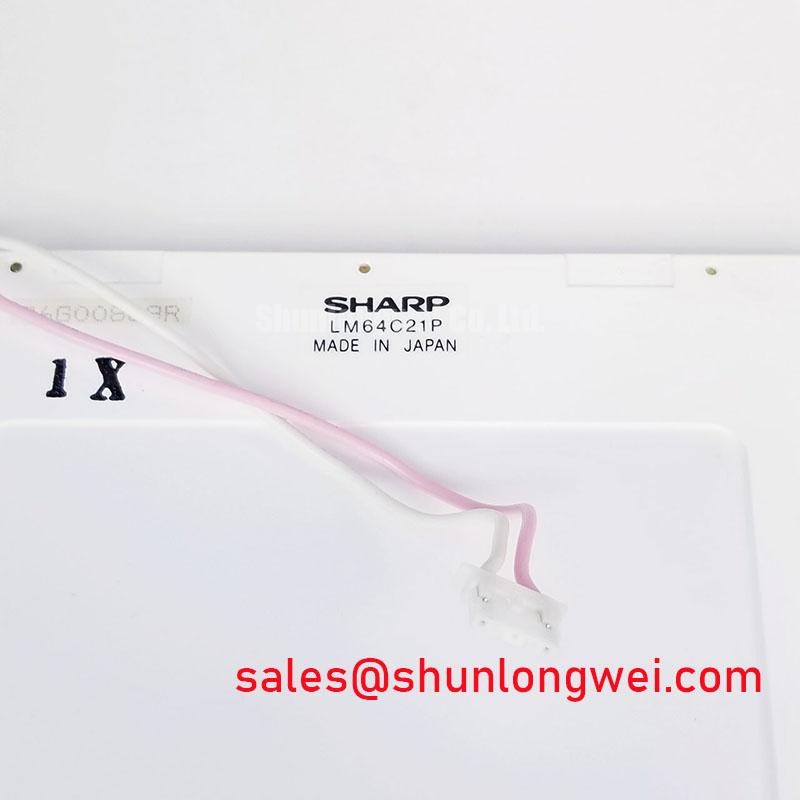
Furthermore, the thermal management of the CCFL (Cold Cathode Fluorescent Lamp) backlight is vital for long-term luminosity. Understanding keeping it cool for industrial display reliability is essential when integrating the LM64C21P into compact enclosures. Sharp’s design ensures that heat is dissipated across the metal bezel, preventing localized thermal stress on the liquid crystal layer, which is a common root cause of “mura” or display non-uniformity.
Optimized Application Scenarios
The specific optical and electrical characteristics of the LM64C21P make it a preferred choice for several distinct sectors:
- CNC Controllers and Lathes: High-vibration resistance and monochrome clarity are essential for reading G-code in workshop environments.
- Medical Diagnostic Monitors: The high contrast ratio allows for precise monitoring of vital signs and grayscale imaging where color is not required.
- Measurement and Analysis Equipment: Used in oscilloscopes and signal analyzers due to its VGA resolution and stable parallel data timing.
- Text-Heavy HMI Terminals: Ideal for terminals where alphanumeric data must be readable from various viewing angles.
Best Match Conclusion: The LM64C21P is optimally suited for legacy industrial HMI systems requiring a 10.4-inch monochrome VGA display with high contrast and parallel interface compatibility.
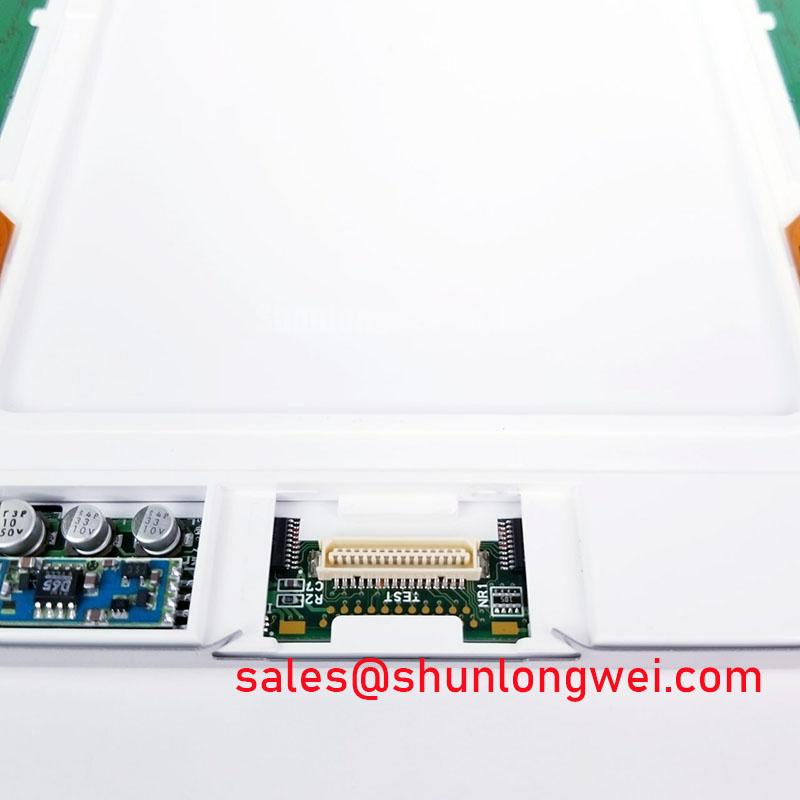
Key Technical Specifications
| Category | Parameter | Value |
|---|---|---|
| Physical Dimensions | Diagonal Size | 10.4 inches |
| Resolution | 640 x 480 (VGA) | |
| Aspect Ratio | 4:3 | |
| Optical Features | Display Mode | Monochrome / DSTN |
| Backlight Type | CCFL (Cold Cathode Fluorescent Lamp) | |
| Contrast Ratio | 18:1 (Typical) | |
| Electrical & Interface | Interface Type | Parallel Data |
| Supply Voltage | 5.0V (Logic) |
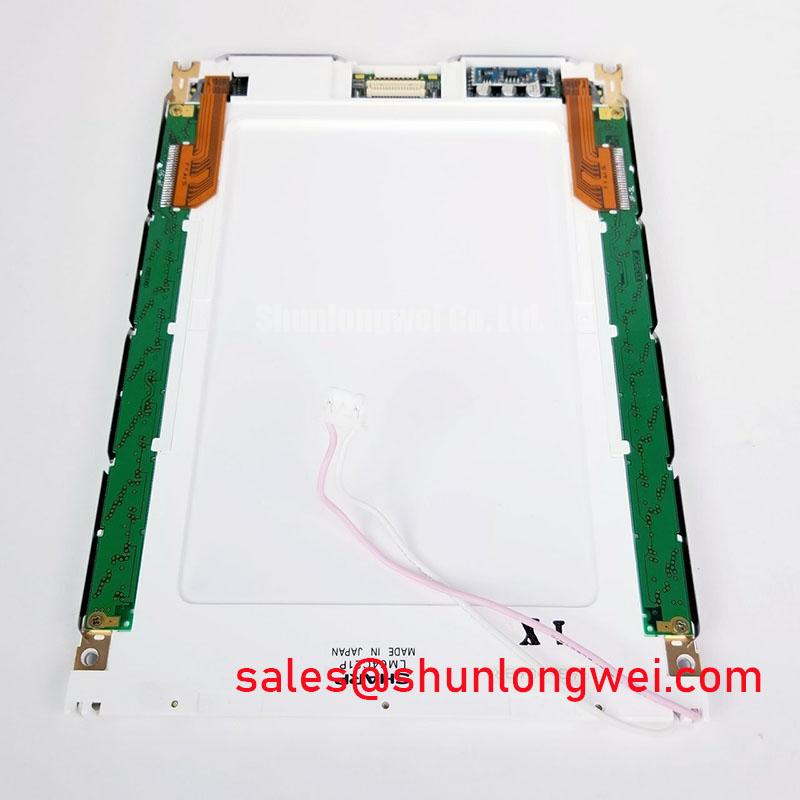
Engineer FAQ
Q1: What is the primary advantage of using a monochrome DSTN display like the LM64C21P over a standard color TFT in an industrial setting?
A: The primary advantage is legibility and power efficiency. In many industrial HMIs, monochrome displays offer higher perceived contrast for text-based data and do not suffer from the color wash-out issues under bright factory lighting that affect low-end color screens.
Q2: How can I mitigate the risks of image sticking or pixel non-uniformity with this passive-matrix module?
A: Proper implementation of preventing LCD image sticking involves ensuring that the display logic does not maintain static high-contrast patterns for indefinitely long periods. Utilizing screen-blanking or pattern-shifting in software can preserve the liquid crystal integrity.
Q3: Is the parallel interface of the LM64C21P compatible with modern LVDS-based controllers?
A: Not directly. The LM64C21P uses a traditional parallel interface. To interface this with modern controllers, a bridge IC or TCON converter is required to translate the LVDS or eDP signal back into parallel data frames compliant with Sharp’s timing specifications.
Design Integration Considerations
Integrating the LM64C21P into an industrial system requires careful consideration of mechanical mounting and electrical noise. The use of smart factory HMI display specifications as a guideline ensures that the bezel grounding and connector seating are adequate for high-interference environments. Designers should pay close attention to the high-voltage requirements of the CCFL backlight inverter, ensuring it is properly shielded from the low-voltage logic signal traces to prevent visual artifacts.
The Sharp LM64C21P remains a cornerstone for specialized industrial displays, providing engineers with a proven, high-contrast monochrome solution. Its mechanical durability and consistent optical performance continue to empower design goals where high-reliability data visualization is the absolute priority.