Sharp LM7MS623: A 7-inch Display Engineered for Power Efficiency
## Sharp LM7MS623 7-inch Color CSTN LCD Module
The Sharp LM7MS623 is a 7.0-inch diagonal CSTN color LCD module engineered for applications where low power consumption and straightforward integration are critical design parameters. It delivers a 4,096-color display with QVGA resolution, balancing visual performance with exceptional power efficiency, making it a strong candidate for battery-powered devices.
* **Core Specifications**: 7.0-inch Diagonal | 240×320 QVGA | 340 mW Power Consumption
* **Key Engineering Advantages**: Optimizes battery life in portable devices, simplifies system integration with a built-in controller.
* **Design Focus**: Its low power draw is a decisive factor for engineers developing portable or battery-operated equipment requiring extended operational uptime.
Download the official LM7MS623 Datasheet (PDF)
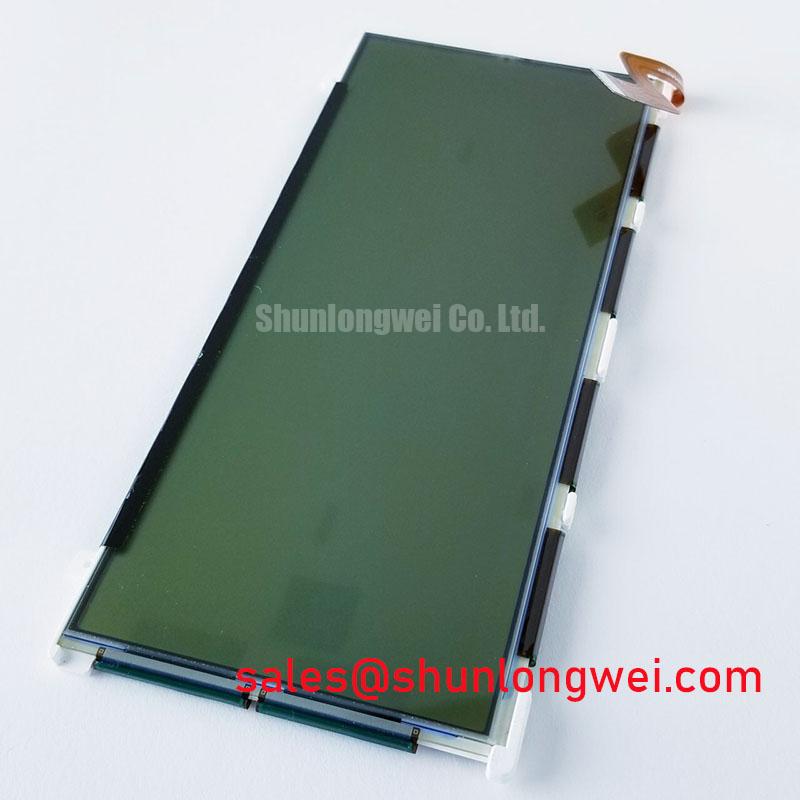
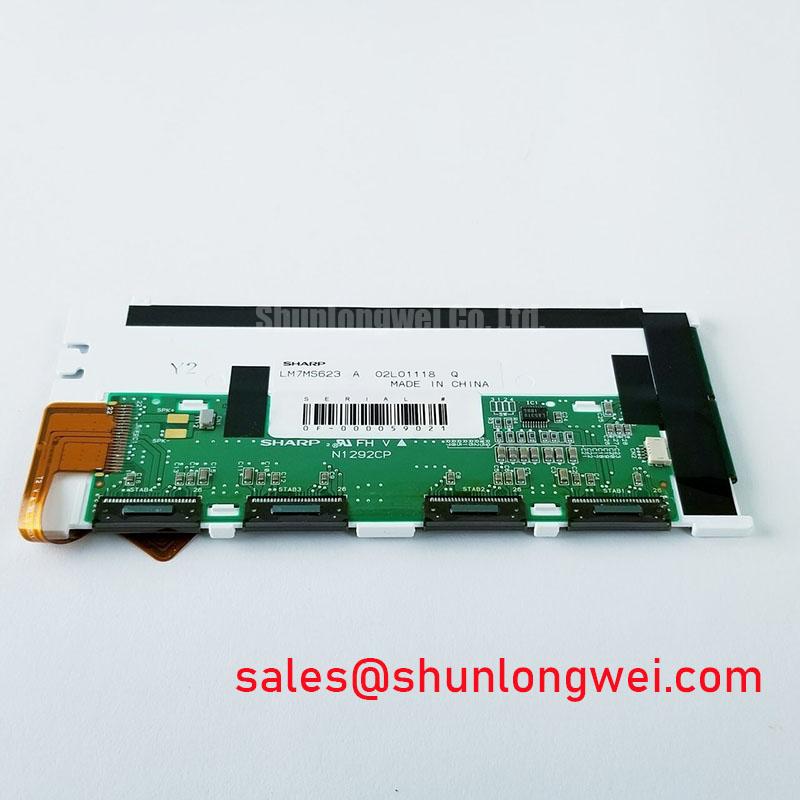
### Technical Analysis
The unique value of the LM7MS623 lies in its highly efficient operation. The specified typical power consumption of just 340 mW is achieved through its Color Super-Twist Nematic (CSTN) passive-matrix architecture. This design inherently requires less power than modern active-matrix TFT-LCD technologies. For a design engineer, this directly translates to tangible benefits: longer operational periods for battery-powered devices, the potential for smaller and lighter battery packs, and a reduced thermal footprint in enclosed systems.
Further simplifying the design process is the module’s integrated display controller. This on-board circuitry manages display RAM and timing signals, offloading these tasks from the host microcontroller. This architecture reduces the processing overhead on the system’s main CPU and simplifies the hardware interface to a standard parallel bus. This makes the LM7MS623 particularly well-suited for embedded systems where microcontroller resources and development time are constrained. The power consumption can be compared to a vehicle’s fuel efficiency; this module is engineered to maximize operational distance on a single charge, prioritizing endurance over the high-speed performance of other display types.
### Optimized Application Scenarios
The specific characteristics of the LM7MS623 make it an excellent fit for the following applications:
* **Portable Test & Measurement Equipment**: The low power consumption (340 mW) is critical for extending battery life during fieldwork.
* **Handheld Diagnostic Tools**: Its 7-inch QVGA screen provides sufficient area for displaying essential data and simple user interfaces without excessive power drain.
* **Legacy System Sustainment**: Provides a viable display solution for maintaining or repairing older industrial and medical devices originally designed with CSTN technology.
* **Basic Industrial HMI Panels**: The integrated controller and straightforward parallel interface allow for easy connection to microcontrollers for status displays in factory automation.
For battery-powered QVGA applications requiring maximum operational endurance and simplified system integration, the LM7MS623 presents a technically sound and efficient solution.
### Key Specifications of the LM7MS623
| Parameter | Specification | Notes |
| ————————— | ——————————————- | ————————————– |
| **Display Characteristics** | | |
| Panel Type | CSTN (Color Super-Twist Nematic) | Passive-matrix color display |
| Screen Size (Diagonal) | 17.6 cm (7.0-inch) | – |
| Resolution | 240 x (RGB) x 320 dots | Quarter VGA (QVGA) |
| Active Area | 106.56 (W) x 142.08 (H) mm | – |
| Number of Colors | 4,096 | – |
| Contrast Ratio (Typical) | 25:1 | – |
| **Electrical Ratings** | | (At Ta = 25°C) |
| Power Consumption (Typical) | 340 mW | Display panel and logic |
| Logic Supply Voltage (Vdd) | 3.3V / 5.0V | – |
| **Mechanical & Environmental** | | |
| Outline Dimensions | 127.0 (W) x 163.0 (H) x 11.0 (D) mm (Max) | Excluding flexible cable |
| Weight | 230 g (Typical) | – |
| Operating Temperature Range | 0°C to +50°C | – |
| Storage Temperature Range | -25°C to +60°C | – |
### Engineer FAQ
**1. What are the typical power requirements for the LM7MS623, and how does this affect battery design?**
The datasheet specifies a typical power consumption of 340 milliwatts for the display panel and its logic. This low power draw is a significant advantage for battery-powered systems, as it allows engineers to either use a smaller, lighter battery to achieve a target runtime or extend the operational life of a device with an existing battery capacity.
**2. What are the key considerations when interfacing with the LM7MS623’s integrated controller?**
The module utilizes a parallel data interface. Engineers must ensure their host microcontroller can support the 8-bit data bus and the required control signals (such as CS, RS, WR, RD). It is essential to carefully review the timing diagrams in the official datasheet to ensure all setup, hold, and pulse width requirements are met for reliable communication. More information can be found in our guide to HMI display specifications.
**3. As a CSTN display, what performance trade-offs should be expected compared to a modern TFT?**
While the LM7MS623 is highly power-efficient, CSTN is a passive-matrix technology. Compared to an active-matrix TFT display, engineers should anticipate slower pixel response times, which may result in some motion blur in fast-moving graphics. Additionally, the viewing angles are typically more restrictive. This module is best suited for applications where the user is positioned directly in front of the screen and the interface is largely static.
**4. What is the specified operating temperature range for this module?**
The module is specified for operation in a temperature range of 0°C to +50°C. This makes it suitable for indoor environments such as labs, hospitals, or factory floors, but not for outdoor applications exposed to direct sunlight or sub-zero temperatures without proper environmental housing and thermal management.
***
The Sharp LM7MS623 offers a focused and practical solution for engineers tasked with creating display-enabled devices under strict power constraints. Its combination of a 7.0-inch screen, integrated controller, and minimal power draw facilitates the development of efficient, cost-effective, and long-lasting portable instruments and HMIs. For guidance on ensuring long-term reliability, consider reviewing best practices for industrial LCD aging tests.