Sharp LQ121S1LG73: A Resilient SVGA Display for Industrial Applications
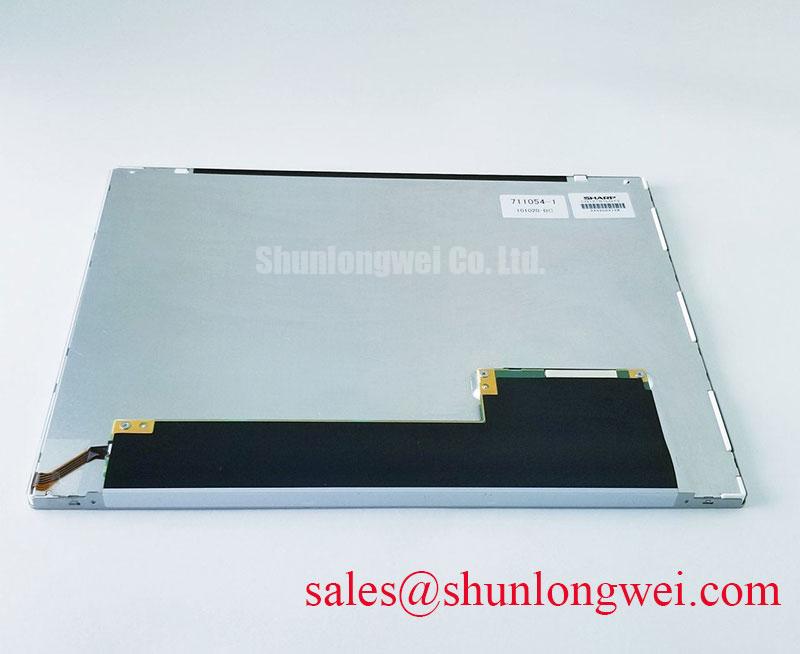
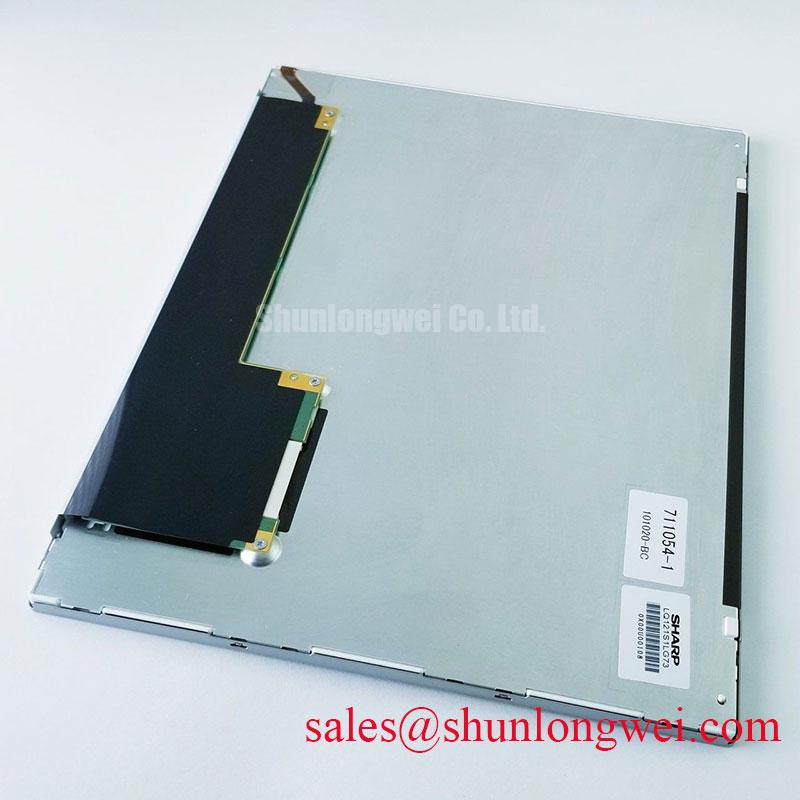
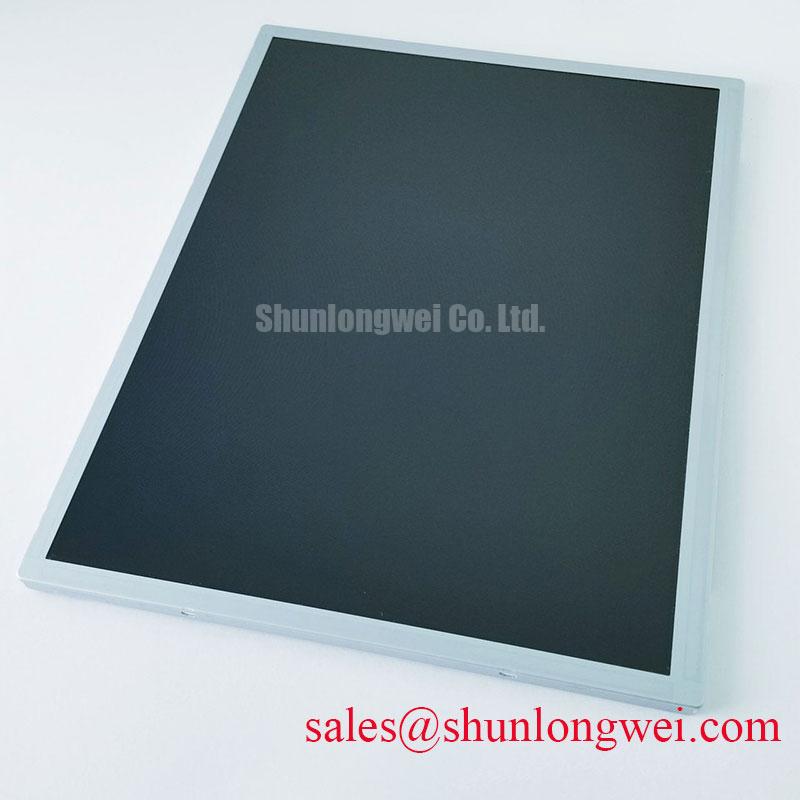
Sharp LQ121S1LG73 12.1″ SVGA Industrial TFT-LCD Module
Engineered for Visual Clarity and Environmental Resilience
The Sharp LQ121S1LG73 is a 12.1-inch color TFT-LCD module that delivers reliable SVGA resolution imaging for industrial human-machine interfaces (HMIs), process controllers, and medical diagnostic equipment. Its primary value proposition is the combination of high brightness, a robust contrast ratio, and a wide operational temperature range, ensuring clear readability and consistent performance in environments where standard displays may fail.
- Core Specifications: 800×600 SVGA | 450 cd/m² Brightness | 600:1 Contrast Ratio
- Key Advantages: Stable visibility in variable indoor lighting; dependable operation in unheated or cooled enclosures.
- Integration Focus: The standard LVDS interface and 4:3 aspect ratio facilitate straightforward replacement of older panels in legacy systems.
Download the Official LQ121S1LG73 Datasheet (PDF)
Technical Analysis for System Integration
The engineering value of the LQ121S1LG73 is rooted in its datasheet-verified performance metrics. A luminance of 450 cd/m² provides the necessary brightness for typical indoor industrial environments, overcoming the glare from overhead factory lighting. This is complemented by a 600:1 contrast ratio. Think of contrast ratio as the display’s ability to distinguish between its deepest black and brightest white; a higher ratio ensures that graphical user interfaces and critical data points appear sharp and well-defined, not faded or ambiguous.
Perhaps its most critical feature for industrial deployment is the operating temperature range of -10°C to +70°C. This tolerance allows the LQ121S1LG73 to be integrated into systems that operate in non-climate-controlled settings, such as manufacturing floors, outdoor kiosks (with proper enclosure), or transportation systems. The use of a long-life CCFL backlight system, rated for 50,000 hours, provides a predictable service life, a crucial factor for managing maintenance cycles in industrial equipment.
Optimized Application Scenarios
The specific combination of features in this module makes it a strong candidate for several applications:
- Legacy HMI Retrofits: With its 800×600 resolution and CCFL backlight driver, it serves as a form-fit-function replacement for aging panels in older CNC machines and factory controllers, avoiding costly system redesigns.
- Process Control Systems: The wide operating temperature and anti-glare surface treatment ensure that process parameters remain clearly visible to operators on the plant floor.
- Test and Measurement Equipment: The 600:1 contrast ratio provides the clarity needed to accurately read detailed waveforms and numerical data without visual fatigue.
- Medical Monitoring Devices: Its reliable performance and stable image quality are suitable for patient monitoring systems where consistent data display is essential.
For systems requiring a durable 12.1″ SVGA panel with proven environmental resilience, the LQ121S1LG73 presents a technically sound and reliable display solution.
Key Specifications of the LQ121S1LG73
| Optical and Electrical Characteristics (Ta = 25°C) | |
|---|---|
| Screen Size | 12.1 inches (31 cm) diagonal |
| Resolution | 800(H) x 600(V) pixels (SVGA) |
| Active Area | 246.0(H) x 184.5(V) mm |
| Luminance | 450 cd/m² (Typical) |
| Contrast Ratio | 600:1 (Typical) |
| Viewing Angle (CR≥10) | Left/Right: 80°/80°, Up/Down: 60°/80° (Typical) |
| Signal Interface | LVDS (Low Voltage Differential Signaling), 6-bit, 1 channel |
| Backlight System | 1x CCFL, with inverter, 50k hours (Typ.) |
| Operating Temperature | -10°C to +70°C |
| Storage Temperature | -30°C to +80°C |
Engineer’s FAQ
1. What are the key electrical interface requirements for the LQ121S1LG73?
The module requires a 3.3V power supply for the panel logic. It uses a standard 1-channel, 6-bit LVDS interface for video data, connected via a 20-pin connector. The CCFL backlight requires a separate high-voltage inverter, which is included with the module assembly.
2. How does the CCFL backlight impact system design compared to a modern LED backlight?
The primary difference is the power supply. A CCFL backlight requires a high-voltage AC inverter, whereas an LED backlight uses a lower-voltage DC driver. The LQ121S1LG73 includes the necessary inverter, simplifying integration for systems designed for CCFL. It’s a key reason this model is excellent for maintaining legacy industrial systems where a switch to LED would necessitate re-engineering the power distribution and control signals.
3. Is the anti-glare coating sufficient for all industrial environments?
The anti-glare (AG) surface treatment is effective at diffusing ambient light from typical indoor sources, like overhead fluorescent lighting, which enhances readability. However, for applications in direct sunlight or extremely bright environments, a display with higher brightness (typically >1000 cd/m²) and potentially optical bonding would be required. This display is optimized for indoor industrial use.
4. What are the recommended mounting procedures?
The datasheet specifies four mounting holes on the module’s side flanges. It is critical to mount the display without applying stress or torsion to the frame to prevent damage to the glass or internal connections. Always handle the module by its metal bezel and avoid putting pressure on the display surface or the attached circuit boards.
Enabling Long-Term System Viability
The Sharp LQ121S1LG73 provides a durable and visually competent display solution for industrial applications. By adhering to established interface standards and delivering robust performance across a wide temperature range, it allows engineers to maintain the operational life of existing equipment and develop new systems with a proven, reliable user interface. Its balanced feature set directly supports the design goals of clarity, resilience, and long-term serviceability. For more insights into display technologies, explore our resources on vibration and shock resistance for industrial displays.