Sharp LQ150X1DG11: A Technical Review of a High-Brightness Industrial Display
Sharp LQ150X1DG11 15.0″ XGA High-Brightness TFT-LCD
Technical Analysis of a Robust Industrial Display Module
The Sharp LQ150X1DG11 is a 15.0-inch color active matrix TFT-LCD module engineered for high performance in demanding visual applications. This display’s core value proposition is its high-brightness output combined with consistent XGA resolution, making it a suitable component for systems where clarity and readability are paramount. It provides a stable and reliable visual interface for complex data and imagery.
- Core Specifications: 1024×768 XGA | 450 cd/m² Brightness | LVDS Interface
- Key Advantages: Superior readability in high ambient light, stable performance for long-term industrial use.
- Engineering Value: The single-channel LVDS interface simplifies integration with standard industrial motherboards and single-board computers.
Download Tentative Datasheet (PDF)

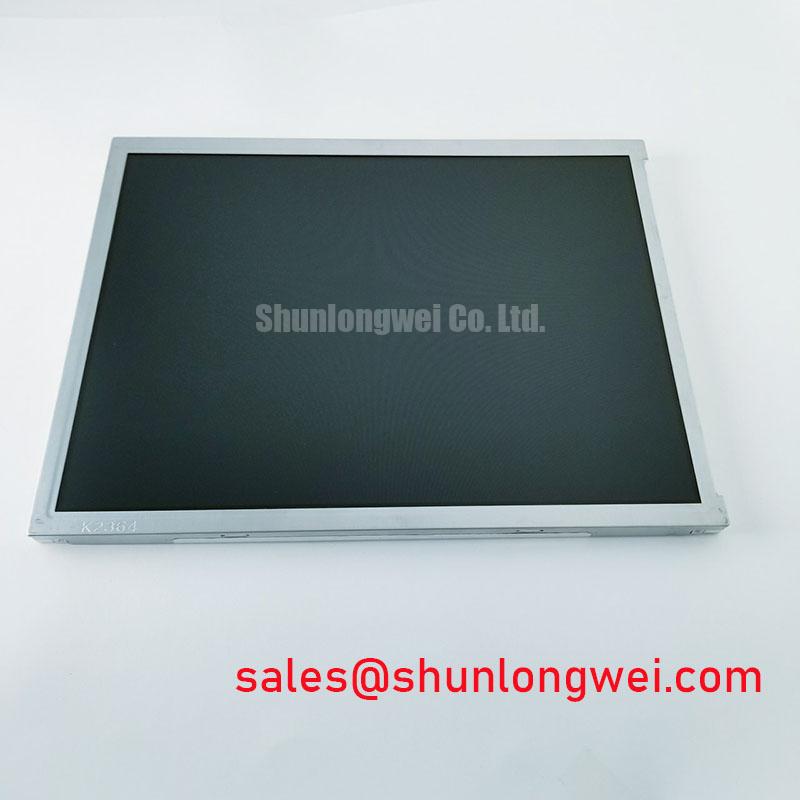
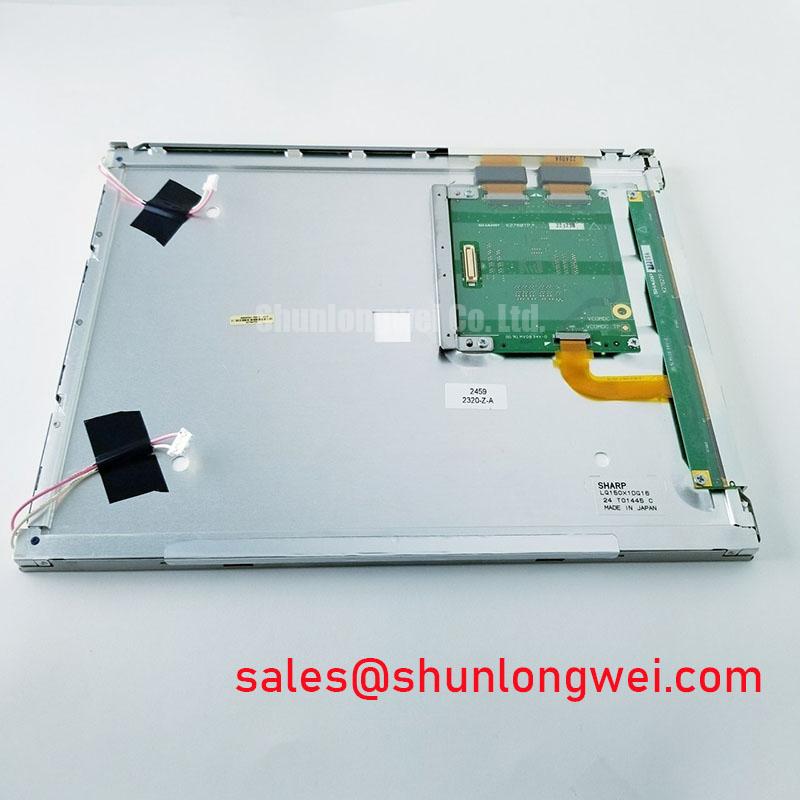
Engineered for Visual Clarity and Durability
A standout feature of the LQ150X1DG11 is its high luminance of 450 cd/m² (candela per square meter). This high brightness level is critical for ensuring screen legibility in environments with significant ambient light, such as factory floors, outdoor kiosks, or medical operating rooms. Think of the brightness specification as the display’s ability to “speak” louder than the surrounding light noise; a higher value ensures the data presented is not washed out and remains clear and actionable for the operator.
The module’s construction is based on amorphous silicon (a-Si) TFT technology, a mature and highly reliable platform for industrial-grade displays. This technology is known for its stability and long operational life. Combined with a robust mechanical design, the LQ150X1DG11 is built for sustained use. For guidance on ensuring display durability in challenging settings, an engineer might consult resources on vibration and shock resistance for industrial displays. The anti-glare surface treatment further enhances usability by diffusing reflections, reducing operator eye strain and improving focus on the displayed information.
Optimized Application Scenarios
The specific combination of brightness, resolution, and interface makes the LQ150X1DG11 a strong candidate for several specialized applications:
- Industrial HMI Panels: The 450-nit brightness ensures that control parameters and process data are clearly visible to machine operators, even under intense factory lighting.
- Medical Imaging Displays: Its XGA resolution and high contrast provide the necessary detail for reviewing diagnostic images and patient data where accuracy is critical.
- Test and Measurement Equipment: The clear, sharp display is ideal for rendering precise waveforms, schematics, and measurement readouts without ambiguity.
- Transportation Systems: Suitable for information displays in environments like train cabs or marine bridges where ambient light conditions can vary dramatically.
This module is an optimal match for systems requiring a bright, clear, and reliable 15-inch XGA display with a straightforward LVDS interface.
Key Specifications of the LQ150X1DG11
| Parameter | Specification |
|---|---|
| Display Characteristics | |
| Screen Size | 15.0 inches (38 cm) |
| Resolution | 1024(RGB) x 768 [XGA] |
| Pixel Pitch | 0.297(H) x 0.297(W) mm |
| Active Area | 304.1(H) x 228.1(W) mm |
| Optical Characteristics | |
| Luminance | 450 cd/m² (Typ.) |
| Contrast Ratio | 550:1 (Typ.) |
| Viewing Angle | 70/70/60/60 (Typ.)(CR≥10) (L/R/U/D) |
| Display Colors | 262K (6-bit) |
| Interface & Backlight | |
| Interface Type | LVDS (1 ch, 6-bit) |
| Backlight | 2 pcs CCFL with external inverter required |
| Supply Voltage | 3.3V (Typ.) |
| Mechanical & Environmental | |
| Outline Dimensions | 326.5(W) x 253.5(H) x 12.0(D) mm |
| Operating Temperature | 0 ~ 50 °C |
| Storage Temperature | -25 ~ 60 °C |
Engineer’s FAQ
1. What is the primary advantage of the 450 cd/m² brightness?
The high brightness rating ensures the display remains clearly readable even in environments with strong overhead or ambient lighting, preventing the image from appearing “washed out.” This is a critical factor for usability in industrial, medical, and outdoor-adjacent applications.
2. How does the LVDS interface benefit system design?
A standard 1-channel, 6-bit LVDS interface provides a simple, low-noise, and widely supported connection method. It allows for straightforward integration with a vast range of industrial single-board computers and display controllers, reducing design complexity and time-to-market. For complex setups, understanding how to maintain rugged connectivity and signal integrity is key.
3. What is required to power the CCFL backlight?
The LQ150X1DG11 utilizes a Cold Cathode Fluorescent Lamp (CCFL) backlight system. This requires a separate, external inverter module to convert the system’s DC voltage into the high AC voltage needed to drive the lamps. The specific inverter must be matched to the backlight’s voltage and current requirements.
4. What are the key mounting considerations for this panel?
The datasheet specifies mounting holes on the side flanges of the module’s metal frame. Engineers must ensure their enclosure or chassis design aligns with these mounting points to secure the display properly and manage mechanical stress, especially in systems subject to vibration.
This technical overview provides system designers and procurement managers with the data-driven insights necessary to evaluate the LQ150X1DG11. Its focused feature set of high brightness and a standard interface delivers a reliable solution for clear and effective human-machine interaction.