Sharp LQ150X1LG91: An In-Depth Review of a High-Reliability Industrial Display
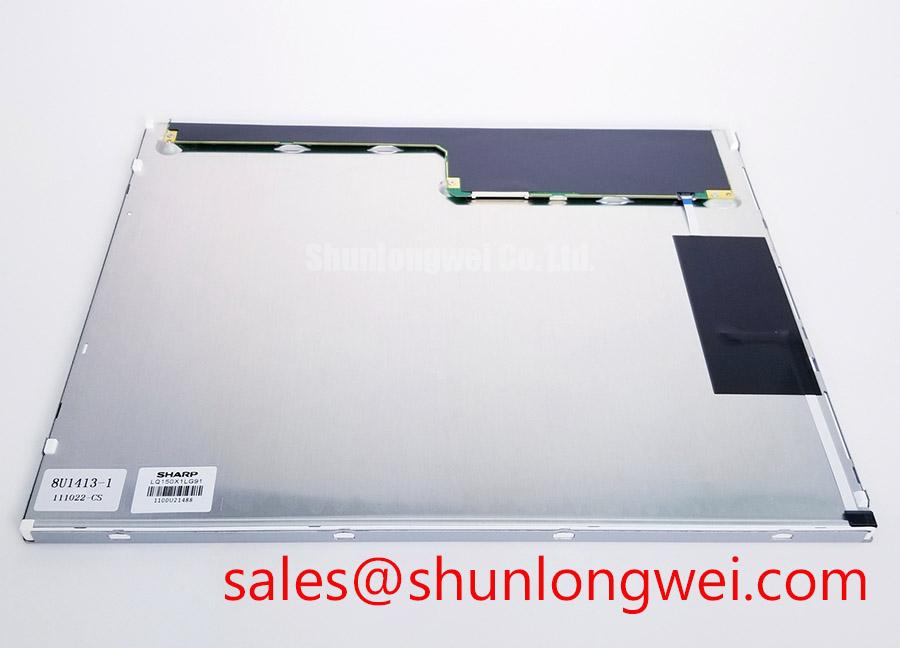
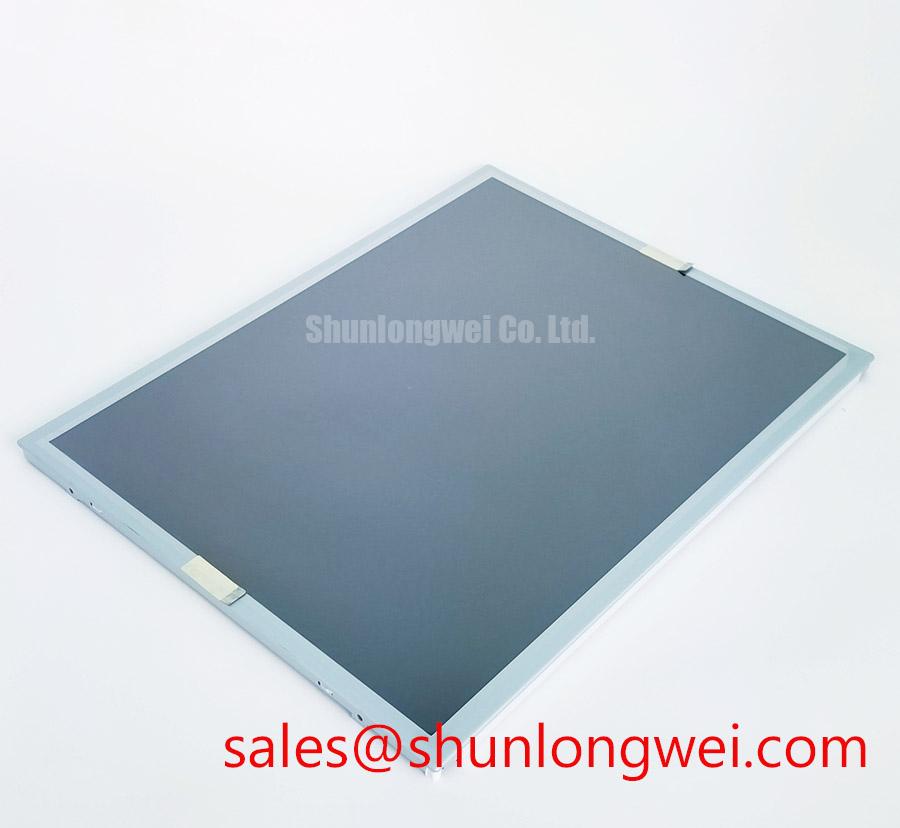
Sharp LQ150X1LG91 15.0″ XGA Industrial TFT-LCD Module
Introduction and Core Highlights
The Sharp LQ150X1LG91 is a 15.0-inch color amorphous silicon TFT-LCD module engineered for longevity and consistent visual performance in industrial applications. This display’s technical foundation is its delivery of high brightness, a robust contrast ratio, and an exceptionally long-life backlight system, making it a staple for equipment requiring sustained operational reliability. The panel’s design prioritizes clarity and durability, addressing the core needs of industrial human-machine interfaces (HMIs) and monitoring systems.
- Core Specifications: 1024×768 XGA | 450 cd/m² Brightness | 60,000-hr Lamp Life
- Key Advantages: Ensures clear off-axis readability, reduces long-term maintenance cycles.
Download Official Datasheet (PDF)

Technical Analysis for System Integration
The engineering value of the LQ150X1LG91 is evident in its balanced optical characteristics. A typical brightness of 450 cd/m² combined with a 600:1 contrast ratio delivers the visual acuity necessary for complex GUIs and data-intensive readouts in variable factory lighting conditions. A high contrast ratio is like the difference between writing in faint pencil and bold black ink on a white page; it makes characters and graphics stand out for immediate recognition, reducing operator error. This level of clarity is critical for accurate process monitoring and control.
A key differentiator for this module is its specified lamp lifetime of 60,000 hours (typical). This figure is not just a number; it represents a significant reduction in total cost of ownership for the end equipment. In practical terms, it translates to nearly seven years of continuous, 24/7 operation before the backlight’s brightness is expected to decrease to half its initial value. This longevity minimizes the need for costly and disruptive maintenance cycles, a crucial factor for systems deployed in critical infrastructure or remote locations.
Furthermore, the display’s wide viewing angles—140 degrees horizontal and 120 degrees vertical—ensure that information remains legible and color-accurate even when viewed from off-axis positions. This is a vital ergonomic feature for large control panels or machinery where operators must monitor the HMI from various standpoints. The use of a standard 20-pin LVDS interface also streamlines integration, providing a robust and widely supported connection standard for industrial computing hardware.

Optimized Application Scenarios
The specific performance parameters of the LQ150X1LG91 make it highly suitable for a range of demanding applications:
- Industrial HMI Panels: The 4:3 aspect ratio and XGA resolution are a direct fit for many legacy and new control systems, while its brightness ensures readability on the factory floor.
- Process Control & Automation: Its exceptional backlight longevity guarantees minimal downtime for systems that must run continuously.
- Medical Instrumentation: In non-diagnostic equipment like patient monitors and lab instruments, the high contrast and reliable performance are paramount.
- Test and Measurement Equipment: The clear, sharp display of numerical data and waveforms is enabled by its strong optical characteristics.
This module is an optimal match for systems requiring consistent XGA visual performance over extended operational lifetimes without frequent servicing.
Key Specifications of the LQ150X1LG91
| Parameter | Specification | |
|---|---|---|
| Display | Screen Size | 15.0 inches (38 cm) diagonal |
| Resolution | 1024(RGB) x 768 [XGA] | |
| Active Area | 304.128(H) × 228.096(V) mm | |
| Pixel Pitch | 0.297(H) x 0.297(V) mm | |
| Optical | Luminance | 450 cd/m² (Typ.) |
| Contrast Ratio | 600:1 (Typ.) | |
| Viewing Angle (CR≥10) | 140° (H) / 120° (V) (Typ.) | |
| Response Time | 8 ms (Typ., Tr+Tf) | |
| Interface | Interface Type | LVDS (Low Voltage Differential Signaling), 1 channel, 6/8-bit |
| Power Supply Voltage | 3.3V (Typ.) | |
| Mechanical & Environmental | Outline Dimensions | 326.5(W) × 253.5(H) × 12.0(D) mm (Max.) |
| Operating Temperature | 0°C to +60°C | |
| Storage Temperature | -20°C to +60°C | |
| Backlight | Lamp Type | CCFL (2 pcs) |
| Lamp Life | 60,000 hours (Typ.) | |
Engineer’s FAQ
- 1. What defines the 60,000-hour “end of life” for the LQ150X1LG91’s backlight?
- The 60,000-hour lifetime rating specifies the typical operating time until the CCFL backlight’s brightness decreases to 50% of its initial value when operated under specified conditions (e.g., 25°C, continuous operation).
- 2. What are the key considerations for the thermal design when integrating this display?
- The module’s surface temperature must be kept within the 0°C to 60°C operating range. The total power consumption is approximately 8.2W. Engineers must ensure adequate ventilation or heat dissipation in the final enclosure to prevent the display from exceeding its maximum operating temperature, particularly the area around the backlight inverter. For more information, please see our guide to thermal management for industrial displays.
- 3. Is the backlight on the LQ150X1LG91 user-replaceable?
- The datasheet specifies that the CCFL lamps are incorporated into the module. While replacement by a qualified technician may be possible, the unit is generally designed to be replaced as a whole module. The long 60,000-hour life is intended to align with or exceed the operational life of the host system.
- 4. How should the 6/8-bit LVDS data be configured?
- The display supports both 6-bit and 8-bit color depth via its LVDS interface. The selection is typically controlled by a logic level pin on the interface connector (SEL68). The system’s graphics controller must be configured to match the selected bit depth to ensure correct color reproduction.
Concluding Statement
The Sharp LQ150X1LG91 provides a robust, performance-oriented foundation for industrial display systems. Its combination of high brightness, strong contrast, and market-leading backlight longevity allows engineers to design HMIs and monitoring solutions that deliver sustained clarity and minimize long-term service requirements, ensuring operational continuity for critical equipment.