Sharp LQ6RA02 Technical Analysis: Dual-Standard NTSC/PAL Video Integration
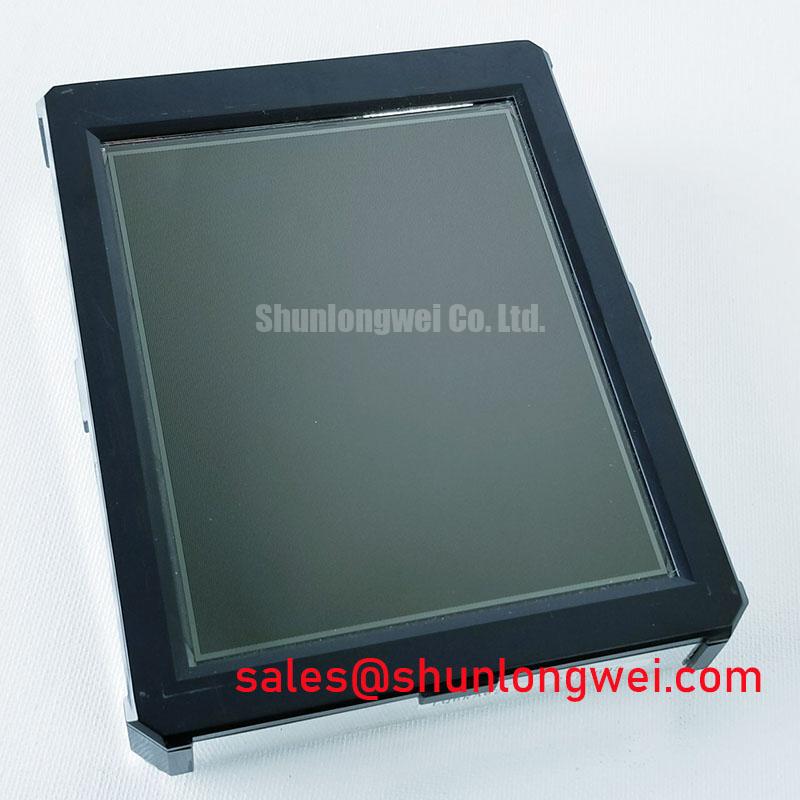
Sharp LQ6RA02 5.7-inch NTSC/PAL Color TFT-LCD Module
Introduction and Core Highlights
The Sharp LQ6RA02 is a 5.7-inch a-Si color TFT-LCD module engineered for versatile analog video integration. Its defining feature is the on-board support for both NTSC and PAL video standards, selectable via a logic pin, which provides exceptional flexibility for developing globally-marketed equipment or upgrading legacy systems. Engineers can implement a single display solution for multiple regions, streamlining both design and inventory management.
- Core Specifications: 5.7-inch Diagonal | 720 x 240 Dots | Dual Analog RGB Inputs
- Key Advantages: Pin-selectable NTSC/PAL operation, capability for superimposing two separate video signals.
Download The LQ6RA02 Technical Specification (PDF)

Technical Analysis for System Integration
The standout characteristic of the LQ6RA02 is its native dual-standard video support. A single “N/P” pin allows the module to switch between NTSC(M) and PAL(B,G) modes, eliminating the need for external video decoding or conversion hardware. This simplifies the mainboard design and reduces the bill of materials for products intended for international markets. For engineers, this translates to a more robust, lower-component-count design that is inherently more reliable and easier to manufacture.
Furthermore, the module features two independent sets of analog RGB video inputs. A “VSW” pin controls which input is active, enabling seamless switching between two video sources. Crucially, these signals can be superimposed, a feature highly valuable for creating on-screen displays (OSDs). Think of this as two transparent layers; a primary video feed can run on the bottom layer while the second input overlays critical data, cursors, or status indicators on top. This hardware-level capability offloads complex video mixing tasks from the host processor, a significant advantage in industrial HMI and monitoring applications.
Optimized Application Scenarios
The feature set of the LQ6RA02 makes it a strong candidate for specific applications where analog video remains prevalent.
- Legacy System Upgrades: Its native NTSC and PAL inputs make it an ideal drop-in replacement for aging CRT or early-generation LCDs in industrial machinery, preventing costly full system redesigns.
- Portable Diagnostic Tools: The compact 5.7-inch size and direct composite video compatibility are well-suited for portable test instruments that interface with various video-out sources.
- Medical Monitoring Equipment: The dual-input system allows for displaying a primary video feed (e.g., from an endoscope) while superimposing vital patient data from a secondary source.
- Avionics and Marine Displays: A solid choice for specialized vehicle instrument panels that require the overlay of navigation data on top of sensor video feeds.
Its inherent analog and multi-standard support makes the LQ6RA02 an optimal choice for maintaining or upgrading legacy video-based HMI systems.
Key Specification Parameters
| General Characteristics | |
|---|---|
| Screen Size | 5.7 inches (Diagonal) |
| Display Format | 720 (H) x 240 (V) dots |
| Active Area | 113.8 (W) x 87.6 (H) mm |
| Dot Configuration | RGB Delta Configuration |
| Viewing Direction | 12 O’Clock |
| Mechanical & Environmental | |
| Outline Dimensions | 149.4 (W) x 117 (H) x 23 (D) mm |
| Weight | 310 g (Typ.) |
| Operating Temperature | -10°C to +60°C |
| Storage Temperature | -25°C to +70°C |
Engineer’s FAQ
- How is the viewing angle of the LQ6RA02 optimized for specific installations?
- The LQ6RA02 is specified with a 12 o’clock viewing direction. This means it delivers optimal image contrast and color fidelity when viewed from slightly above the center, a common orientation for panel-mounted industrial controls and desktop instruments.
- Does the LQ6RA02 module include a backlight inverter?
- No. The datasheet confirms that a separate backlight-driving DC/AC inverter is required to power the internal CCFL backlight tube. This component must be sourced and integrated into the system design separately. For more on display technologies, see our guide to LCD Core Technology.
- How do I switch between the NTSC and PAL video standards?
- The display mode is controlled by the N/P logic pin. According to the specification, applying a ‘High’ signal (or leaving the pin open) sets the module to NTSC mode. Applying a ‘Low’ signal sets it to PAL mode.
- What are the typical challenges with long-term reliability for industrial displays?
- Long-term reliability often involves managing factors like backlight lifespan, resistance to vibration, and preventing image sticking. Understanding these factors is key, as detailed in our analysis of industrial LCD failure modes.
Enabling Versatile Analog Video Systems
The LQ6RA02 color TFT-LCD module provides a direct and reliable solution for systems dependent on analog video. Its built-in multi-standard flexibility and dual-input architecture empower engineers to design versatile, globally-compatible interfaces or execute seamless upgrades on legacy equipment with minimal external hardware, ensuring continuity and adding functionality.