Technical Review of the Hitachi LMG9980ZWCC-01 Industrial Display
## LMG9980ZWCC-01 Hitachi 12.1-inch SVGA CSTN Display
Technical Review of the Hitachi LMG9820ZWCC Color Display Module
This document provides a technical analysis of the Hitachi LMG9820ZWCC, a Color Super-Twist Nematic (CSTN) liquid crystal display module. It is engineered for integration into industrial instrumentation and Human-Machine Interface (HMI) systems where reliable color data representation is a functional requirement.
* **Core Specifications**: 12.1-inch Diagonal | 800×600 SVGA Resolution | 30:1 Contrast Ratio.
* **Key Advantages**: Integrated CCFL backlight system, industry-standard 8-bit parallel data interface for straightforward system integration.
* **Application Focus**: The module’s specifications are well-suited for legacy industrial control panels, test and measurement equipment, and point-of-sale terminals that require a durable color display.
To access full operational parameters, consult the official manufacturer’s documentation. While a direct datasheet link is unavailable, aggregated technical data provides critical specifications for engineering evaluation.
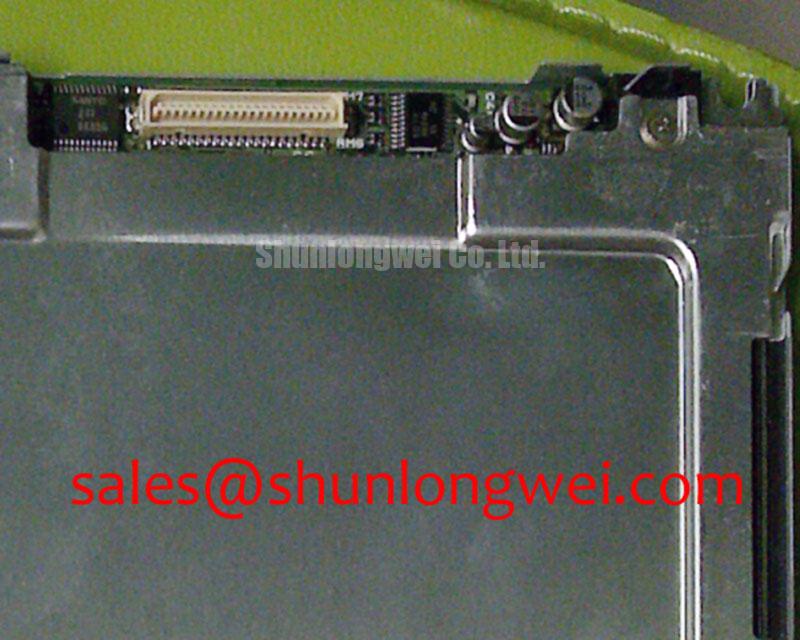

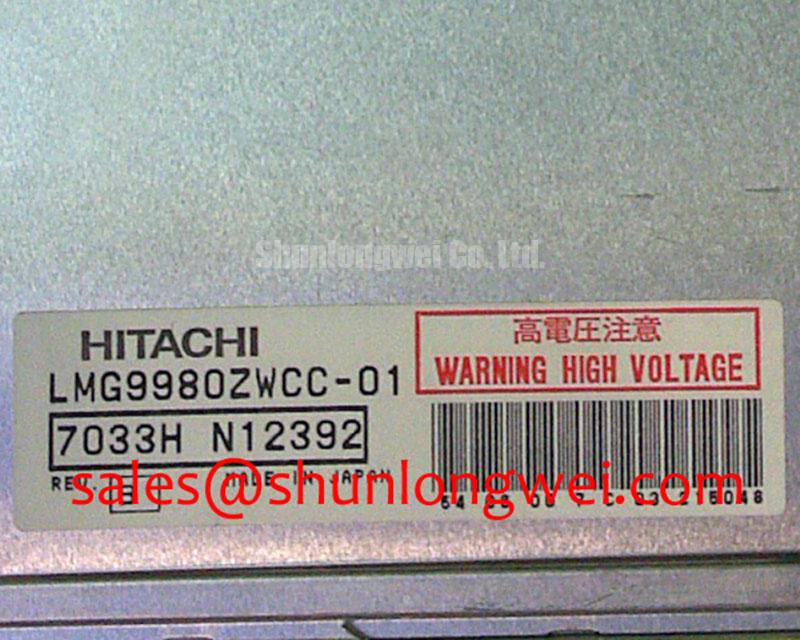
Engineering Analysis of Display Performance
The LMG9980ZWCC-01 provides a functional color display solution built upon established CSTN technology. Its 800×600 pixel SVGA resolution is sufficient for displaying graphical user interfaces, status indicators, and diagnostic information in a variety of industrial settings. The display supports a standard 8-bit parallel data interface, a common and well-documented bus that simplifies connection to a wide range of microcontrollers and embedded systems without requiring specialized signal converters.
The module’s specified contrast ratio of 30:1 is characteristic of CSTN panels and provides clear differentiation for color-coded information. This parameter is a critical factor in ensuring operator readability. Think of contrast ratio as the legibility of text on a page; a higher ratio means the characters stand out more distinctly from the background, reducing ambiguity in data interpretation. While modern TFT-LCD technologies offer higher ratios, the LMG9980ZWCC-01’s performance is aligned with the requirements of many legacy and cost-sensitive industrial applications.
Optimized Application Scenarios
The technical characteristics of the LMG9980ZWCC-01 make it a practical component for specific industrial uses:
* **Industrial Control Panels**: The 12.1-inch size and SVGA resolution are ideal for displaying process schematics and system status, where its robust design ensures long-term operation.
* **Test and Measurement Equipment**: Suitable for instruments that require a color display for waveform and data visualization, benefiting from the straightforward parallel interface.
* **Medical Monitoring Devices**: Can be used in patient monitoring systems where color is used to signify vital sign status and alerts.
* **Point-of-Sale (POS) Systems**: The display size is adequate for transaction information and operator interfaces in retail environments.
This display is best matched for systems requiring a large, durable color screen with a standard interface, where cutting-edge optical performance is secondary to reliability and integration simplicity.
Key Specifications of the LMG9980ZWCC-01
| Parameter | Specification | Notes |
|---|---|---|
| Display Characteristics | ||
| Screen Size | 12.1 inches | – |
| Display Technology | CSTN-LCD, Normally Black | Color Super-Twist Nematic. |
| Resolution | 800×600 (SVGA) | – |
| Brightness | 70 cd/m² (Typ.) | |
| Contrast Ratio | 30:1 (Typ.) | |
| Response Time | 170/130 ms (Typ.) (Tr/Td) | |
| Electrical & Interface | ||
| Signal Interface | Parallel Data (8-bit) | 41-pin connector. |
| Supply Voltage (VDD) | 3.3V / 5.0V (Typ.) | |
| Backlight System | 1 pcs CCFL | Requires external inverter. |
| Mechanical & Environmental | ||
| Active Area | 246 x 184.5 mm (W x H) | |
| Outline Dimensions | 275 x 202.5 mm (W x H) | |
| Operating Temperature | 5°C to 40°C | |
| Storage Temperature | -20°C to 60°C | |
Engineer’s Frequently Asked Questions
**1. What type of controller is needed for the LMG9980ZWCC-01 interface?**
This module uses a standard 8-bit parallel data interface. It does not have an integrated T6963C-type controller and requires a host system or an external LCD controller IC that can generate the necessary timing signals (dot clock, H-sync, V-sync) for an 800×600 SVGA panel.
**2. What are the power requirements for the CCFL backlight?**
The CCFL backlight requires a separate, dedicated high-voltage inverter to operate. The inverter must be specified to match the lamp’s voltage and current requirements. Operating the lamp at lower temperatures may increase the required starting discharge voltage.
**3. What considerations are necessary for operation at the low end of the temperature range?**
When operating at 5°C, the response time of the liquid crystal will be slower, and the CCFL backlight’s lifespan may be reduced. The performance of the backlight inverter should be verified at this temperature to ensure it can provide adequate starting voltage.
**4. Is this display suitable for new product designs?**
The LMG9980ZWCC-01 utilizes older CSTN and CCFL technologies. It is primarily suited for sustaining and repairing existing systems that were originally designed with this or a compatible display. For information on current display technologies for new designs, see our resources on advanced industrial displays.
System Integration and Longevity
The Hitachi LMG9980ZWCC-01 represents a reliable display component for maintaining the operational life of industrial equipment. Its use of a standard parallel interface ensures compatibility with a broad base of legacy hardware. Engineers and procurement managers tasked with long-term system support will find this module a functional solution for replacing failed displays in systems where a complete redesign is not feasible. The module’s adherence to established industrial display formats provides a direct path for system maintenance and repair. For broader insights into manufacturing standards, explore the role of cleanroom standards in industrial LCD manufacturing.