Technical Review: The LG LM195WD1-TLA1 19.5″ Widescreen Display
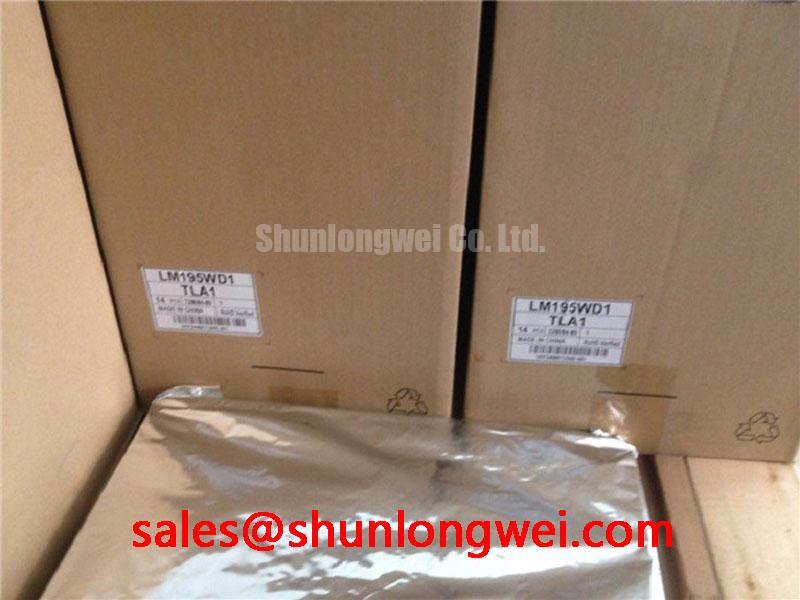
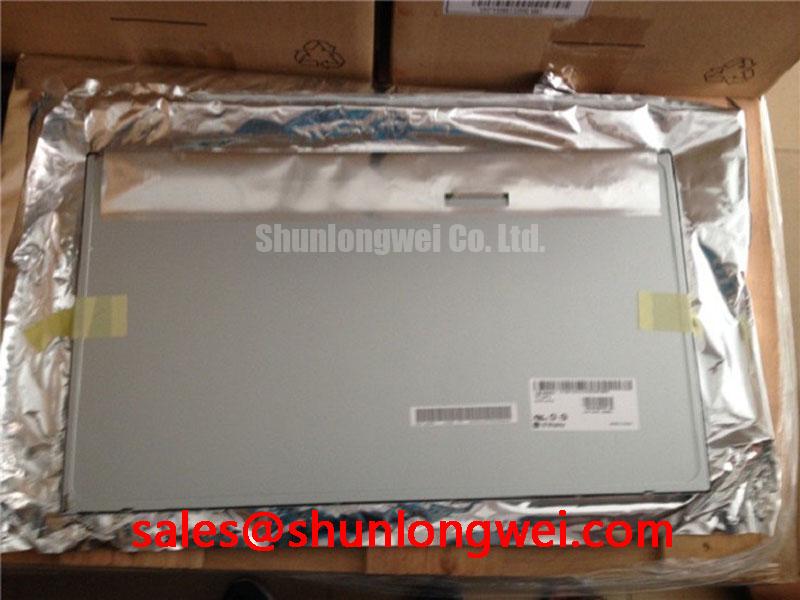
LG LM195WD1-TLA1 19.5″ WXGA++ TFT-LCD Display Module
Technical Analysis of the LM195WD1-TLA1 Widescreen Display
The LG Display LM195WD1-TLA1 is a 19.5-inch TFT-LCD module engineered for applications requiring a widescreen format and reliable visual performance. This display delivers a practical balance of resolution, standardized connectivity, and surface durability. Its core value proposition lies in providing a 16:9 aspect ratio panel with an anti-glare surface, simplifying integration and ensuring readability in various commercial and industrial settings.
- Core Specifications: 19.5″ Diagonal | 1600×900 WXGA++ | LVDS Interface
- Key Advantages: Enhanced clarity in ambient light, simplified system integration.
- Engineering Focus: The industry-standard LVDS interface allows for straightforward connection to a wide range of controller boards.
Download Official Datasheet (PDF)
In-Depth Technical Features
A technical assessment of the LM195WD1-TLA1 reveals features directly addressing common system design challenges. The 1600 x 900 pixel resolution in a 16:9 aspect ratio provides a significant advantage for human-machine interface (HMI) or information display applications. It allows for more horizontal data visualization compared to traditional 4:3 or 5:4 industrial panels, enabling more intuitive and less cluttered user interface designs.
The surface treatment is a critical feature for usability in real-world conditions. The combination of an anti-glare (AG) finish with a 3H hard coating serves a dual purpose. Think of the AG coating as a diffuser for light; it scatters harsh ambient light from overhead sources, preventing mirror-like reflections that can obscure the screen’s content. This is essential for maintaining readability. The 3H hard coat adds a layer of physical resilience, offering protection against incidental contact and scratches in operational environments.
Integration is streamlined by the use of a 2-channel, 8-bit LVDS interface. This well-established standard ensures compatibility with a vast ecosystem of single-board computers and display controllers. It reduces the engineering effort required to establish a stable, high-speed data link between the host system and the display panel, a key consideration in accelerating product development cycles. For further insights, explore resources on ensuring signal integrity for industrial displays.
Optimized Application Scenarios
The specific characteristics of the LM195WD1-TLA1 make it highly suitable for several applications:
- Industrial HMI Panels: The widescreen format is ideal for displaying complex process diagrams or multiple data readouts side-by-side, enhancing operator efficiency.
- Information Kiosks: The anti-glare surface ensures content remains legible to users under the varied lighting conditions found in public spaces like lobbies and retail floors.
- Point-of-Sale (POS) Systems: Its 16:9 aspect ratio can effectively display both transactional information for the operator and promotional content for the customer.
- Embedded Test & Measurement Equipment: Provides a clear, detailed view of waveforms and measurement data, with the durability to withstand a lab or light industrial environment.
This module is an optimal match for systems requiring a durable, widescreen display with straightforward electrical integration and clear visibility in typical indoor lighting.
Key Specifications of the LM195WD1-TLA1
| Feature | Specification |
|---|---|
| Screen Size | 19.5 inches |
| Resolution | 1600(RGB) × 900 (WXGA++) |
| Display Technology | a-Si TFT-LCD, TN, Normally White |
| Luminance | 250 cd/m² (Typ.) |
| Contrast Ratio | 1000:1 (Typ.) |
| Viewing Angle | 85/85/75/85 (Typ.)(CR≥10) |
| Interface | LVDS (2 ch, 8-bit), 30 pins |
| Backlight | WLED, 30K hours (Min.) |
| Operating Temperature | 0 ~ 50 °C |
| Surface Treatment | Antiglare, Hard coating (3H) |
Engineer’s FAQ
- What are the key details for the LM195WD1-TLA1’s LVDS interface?
- The display uses a standard 30-pin connector for its 2-channel, 8-bit LVDS interface. The typical power supply voltage (VLCD) required is 5.0V. Engineers should consult the datasheet for the exact pinout and signal timing specifications to ensure proper integration with their controller board.
- How does the TN panel technology affect viewing angles?
- As a TN (Twisted Nematic) panel, the LM195WD1-TLA1 offers fast response times suitable for dynamic content. However, the viewing angles are more constrained than IPS panels, particularly in the vertical direction. The specified typical viewing angles are 170° horizontal and 160° vertical at a contrast ratio of 10:1, which should be considered when designing the final product’s orientation and intended use.
- What are the thermal management considerations for the WLED backlight?
- The WLED backlight system has a typical power consumption of around 8.9W. While more efficient than older CCFL technology, proper thermal management for industrial display reliability is necessary in enclosed, fanless systems. Designers must ensure adequate ventilation or heat dissipation to keep the panel’s surface temperature within its 0°C to 50°C operating range to maintain performance and lifespan.
For systems that require a mid-sized, widescreen display with proven reliability and straightforward integration, the LM195WD1-TLA1 provides a robust foundation. Its combination of WXGA++ resolution and a glare-resistant surface enables the development of clear and effective user interfaces for a range of professional applications.