NEC NL3224BC35-22: A Bright and Serviceable Display for Industrial Longevity
NEC NL3224BC35-22 5.5-inch QVGA TFT LCD Module Technical Review
Introduction to the NL3224BC35-22 TFT Color LCD Module
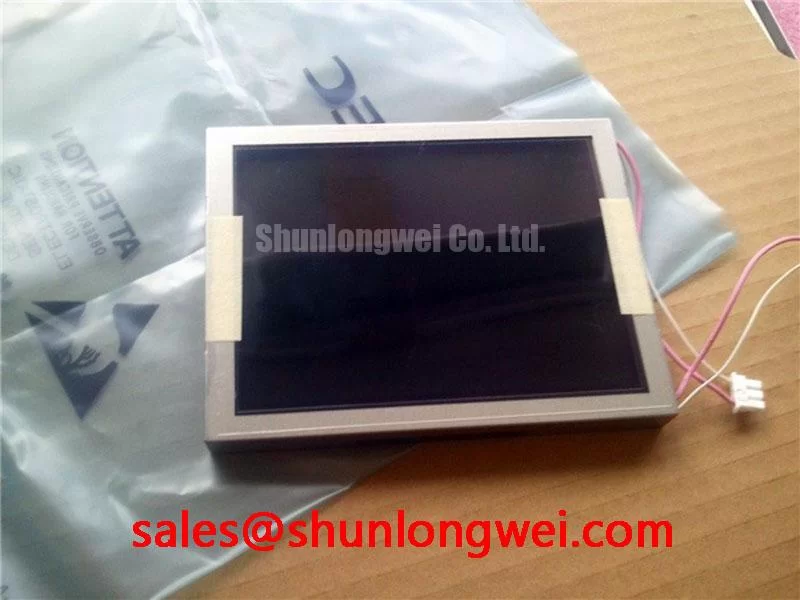
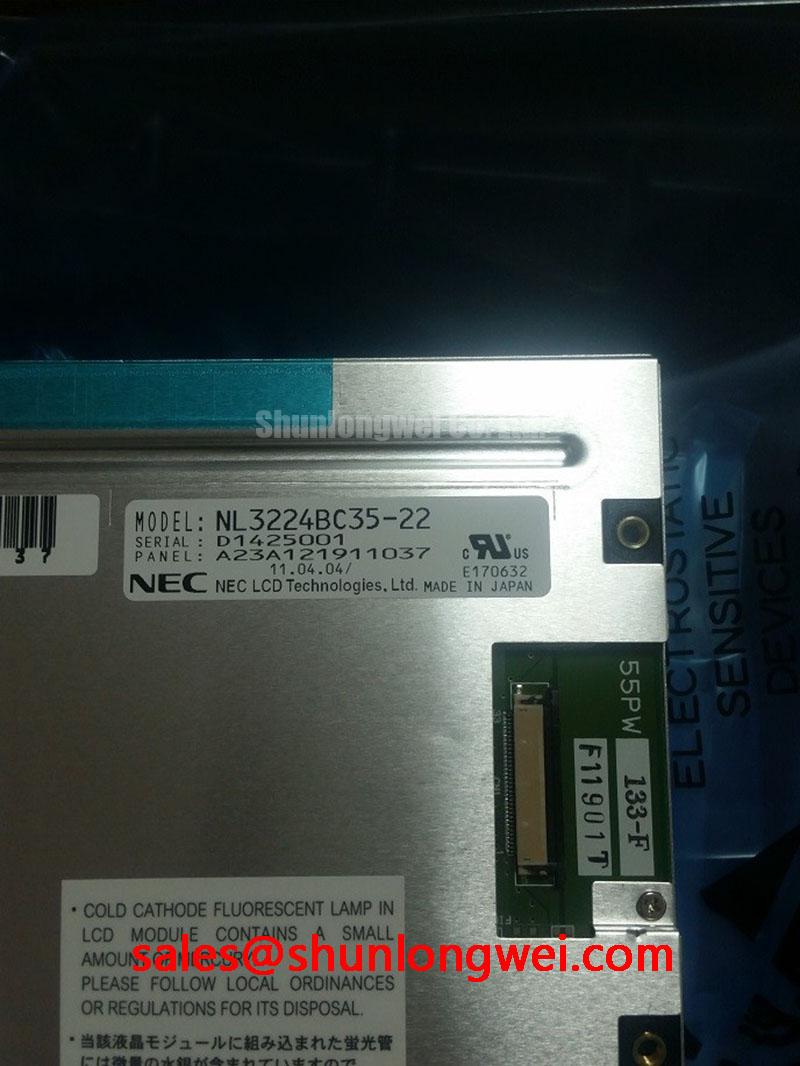
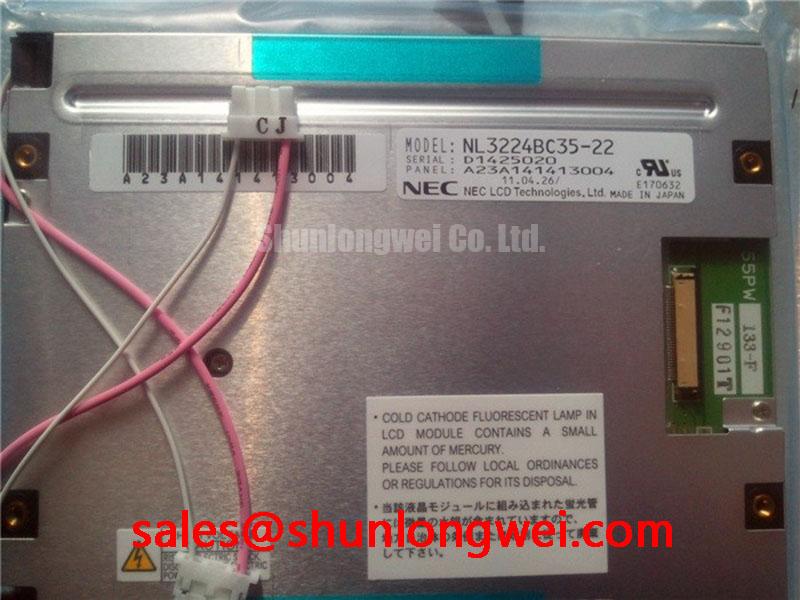
The NL3224BC35-22 is an amorphous silicon TFT active matrix module delivering high luminance and a user-serviceable design for long-term industrial applications. Its core value proposition is the combination of a bright, clear display with a replaceable backlight system, which facilitates extended operational life and simplifies maintenance schedules for critical equipment. This module provides a robust solution for systems that require reliable visual output and longevity.
- Core Specifications: 5.5-inch Diagonal | 320 x 240 (QVGA) Resolution | 400 cd/m² Luminance
- Key Advantages: High brightness for visibility in varied ambient lighting conditions. Field-replaceable backlight extends the product’s useful service life.
- Interface: The analog RGB interface ensures compatibility with a broad range of video controllers and legacy systems.
Download the official NL3224BC35-22 Datasheet (PDF)
Technical Analysis for System Integration
The engineering value of the NL3224BC35-22 is rooted in its practical features for industrial deployment. A typical luminance of 400 cd/m² provides the necessary brightness for clear readability in factory floor or field environments where lighting is not always controllable. This level of screen brightness ensures that operators can interpret critical data without error, which is fundamental to maintaining operational safety and efficiency. This performance is a key aspect of effective smart factory HMI design.
A significant differentiator specified in the datasheet is the user-replaceable backlight. The cold cathode fluorescent lamp (CCFL) has a defined lifetime, and the ability to replace it in the field is a major advantage for extending the life of the host device. Think of the replaceable lamp like changing the oil in an engine; it’s a routine maintenance procedure that restores the component to its original performance level and prevents a full-system replacement. This feature directly supports a lower total cost of ownership, a critical metric for industrial capital equipment.
The module’s analog RGB interface provides straightforward integration with a wide variety of embedded systems and single-board computers. Unlike more complex digital interfaces, an analog connection can be more forgiving of longer cable runs and simpler to implement from a hardware perspective. The specified operating temperature range of -10°C to +70°C, coupled with a storage range of -30°C to +80°C, confirms its suitability for deployment in environments that experience significant thermal fluctuation, a common challenge in rugged industrial systems.
Optimized Application Scenarios
The NL3224BC35-22’s specifications make it a strong candidate for several demanding applications:
- Industrial Control Panels: The 400-nit brightness ensures information is legible under factory lighting, while the QVGA resolution is ideal for displaying process data and control inputs.
- Test and Measurement Equipment: Its analog RGB interface allows for direct connection to legacy or custom-designed instrument controllers, facilitating system upgrades without a complete redesign.
- Medical Diagnostic Devices: The reliable and clear visual output is essential for displaying patient data and instrument readings where accuracy is paramount.
- Data Terminals and Kiosks: The replaceable backlight feature ensures a long operational life, reducing maintenance costs and downtime for public-facing or continuously operating terminals.
This module is an optimal match for systems requiring a durable, bright QVGA display with a long, serviceable operational life.
Key Specifications of the NL3224BC35-22
| Module Characteristics | |
|---|---|
| Part Number | NL3224BC35-22 |
| Display Technology | Amorphous Silicon TFT-LCD |
| Resolution | 320 x 240 (QVGA) |
| Active Area | 111.36 (H) x 83.52 (V) mm |
| Diagonal Size | 5.5 inches (14 cm) |
| Pixel Pitch | 0.348 (H) x 0.348 (V) mm |
| Optical Characteristics (Ta = 25°C) | |
| Luminance (Brightness) | 400 cd/m² (typ.) |
| Contrast Ratio | 300:1 (typ.) |
| Viewing Angle (H/V) | -50° to +50° / -35° to +15° (typ.) |
| Response Time | 40 ms (typ.) |
| Electrical & Environmental | |
| Interface | Analog RGB (0.7 Vp-p) |
| Logic Supply Voltage (VCC) | 5.0 V |
| Backlight Type | 1 CCFL, Edge-light, Replaceable |
| Operating Temperature | -10°C to +70°C |
| Storage Temperature | -30°C to +80°C |
Engineer’s Frequently Asked Questions
1. What are the specifications for the NL3224BC35-22 replacement backlight?
The datasheet specifies a single CCFL (Cold Cathode Fluorescent Lamp) with a lamp voltage of 600 Vrms (typ.) and a lamp current of 6.0 mArms (typ.). The lamp is housed in a “lamp holder type” assembly, indicating it is designed for replacement. For detailed procedures, consulting the manufacturer’s service manual is recommended.
2. What is the recommended operating temperature for this display?
The NL3224BC35-22 is specified for an operating temperature range of -10°C to +70°C. Operation outside this range may affect display performance and lifetime. For more details on thermal management, refer to our guide on thermal management for industrial displays.
3. How should the module be mounted to withstand industrial environments?
The datasheet provides mechanical drawings showing four mounting holes on the bezel. For industrial applications, it is crucial to use all specified mounting points and ensure the enclosure provides adequate support against shock and vibration. The module itself has a specified vibration resistance of 11.76 m/s² (1.2 G) and shock resistance of 294 m/s² (30 G).
Enabling Long-Term System Viability
The NL3224BC35-22 provides a durable and serviceable display solution. Its combination of high brightness for clear visibility and a field-replaceable backlight directly addresses the need for long-term reliability and manageable maintenance in industrial systems. These data-backed features empower engineers to develop products with an extended operational lifecycle, confident in the performance and longevity of the core visual interface.