TD162N16KOF: A Technical Review of the 1600V High-Reliability Power Module
## TD162N16KOF Thyristor/Diode Module | 1600V 162A Control
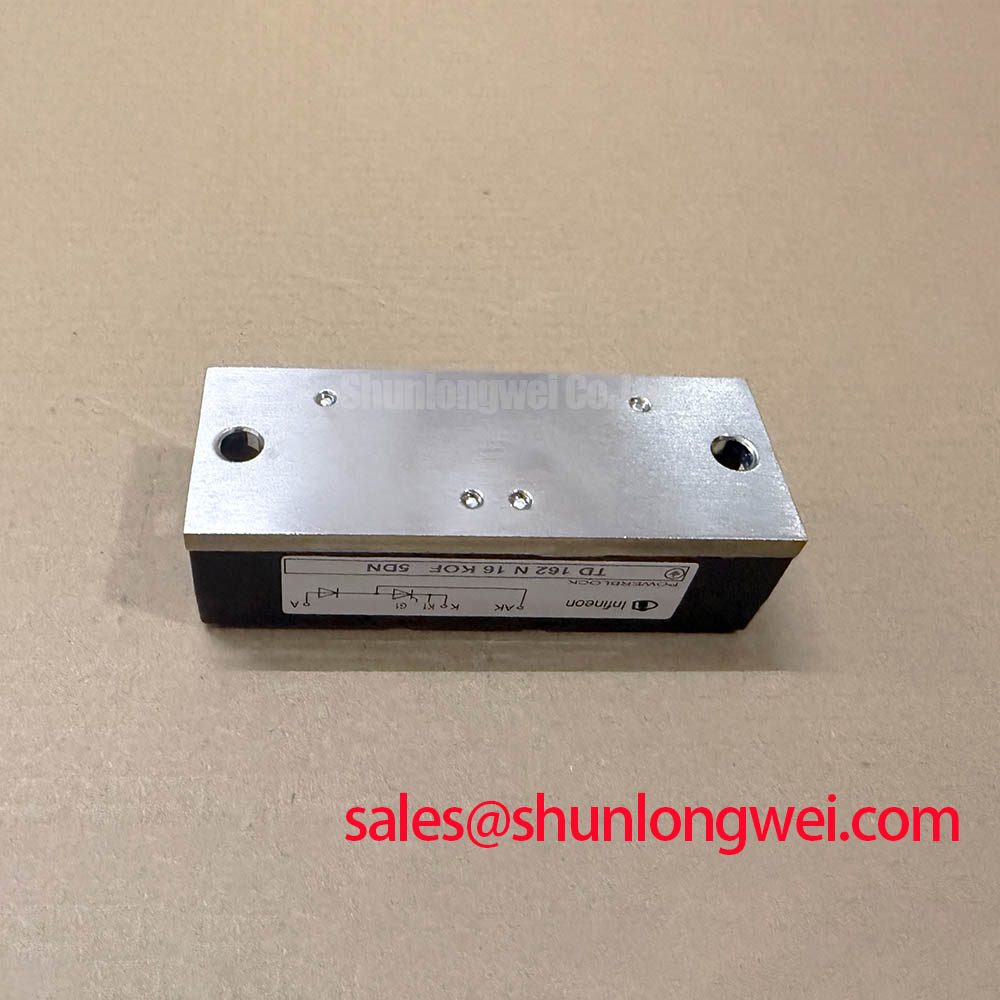
The Infineon TD162N16KOF is a Phase Control Thyristor/Diode Module engineered for high-reliability power control systems. Its core value lies in combining a high 1600V blocking voltage with industrial-proven pressure contact technology, ensuring robust performance and extended operational life in demanding applications. This module provides a streamlined solution for precisely managing high-power AC and DC loads, directly addressing the need for durable components in industrial rectifiers and motor drives.
* **Core Specifications**: 1600V VRRM | 162A ITAV | 34mm Housing
* **Key Advantages**: High electrical blocking capability for system safety, enhanced thermal cycling endurance.
* **Engineered For**: Simplified thermal management and reliable mechanical mounting.
Download Official Datasheet (PDF)
Technical Analysis of the TD162N16KOF Module
A key operational benefit of the TD162N16KOF module is its high repetitive peak reverse voltage (VRRM) of 1600V. This high voltage rating provides a substantial safety margin in industrial systems operating on 400V or 690V mains, protecting the device against transient overvoltage events that are common in such environments. This capability is fundamental to building resilient power semiconductors stages that can withstand unpredictable line conditions without failure.
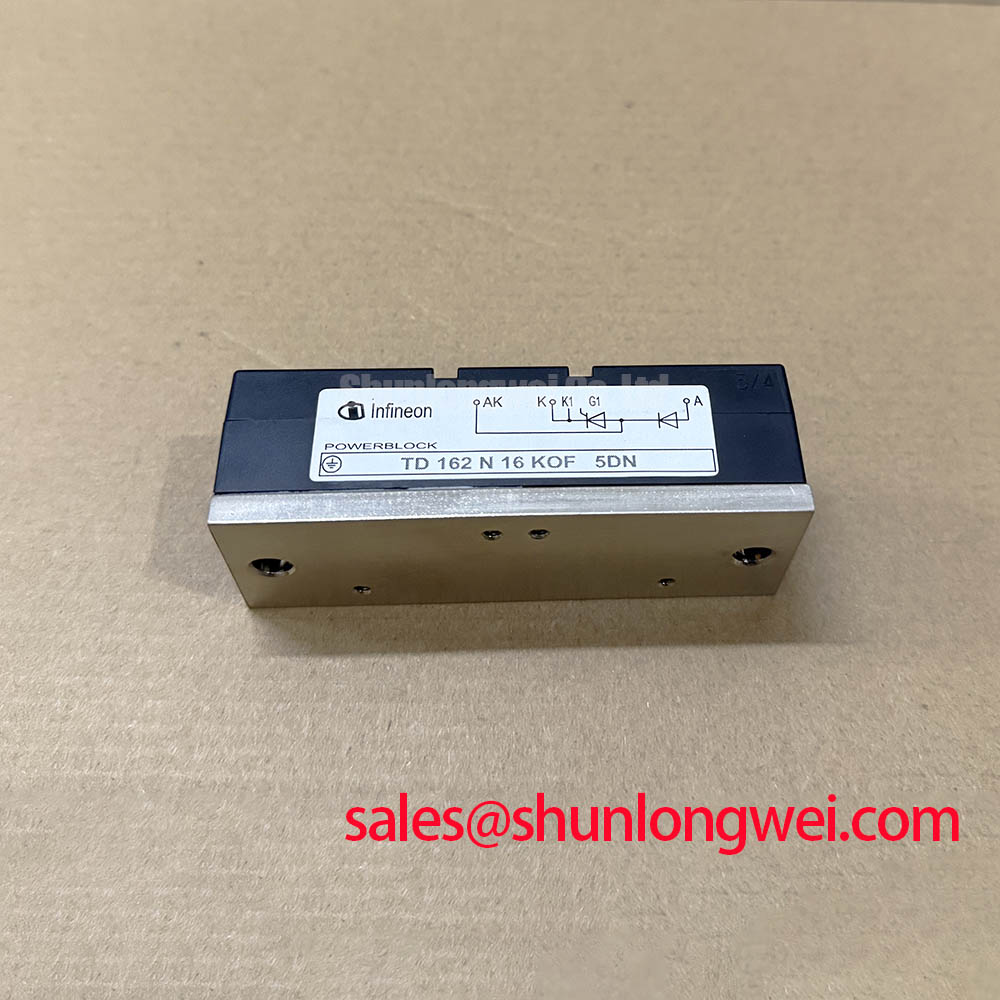
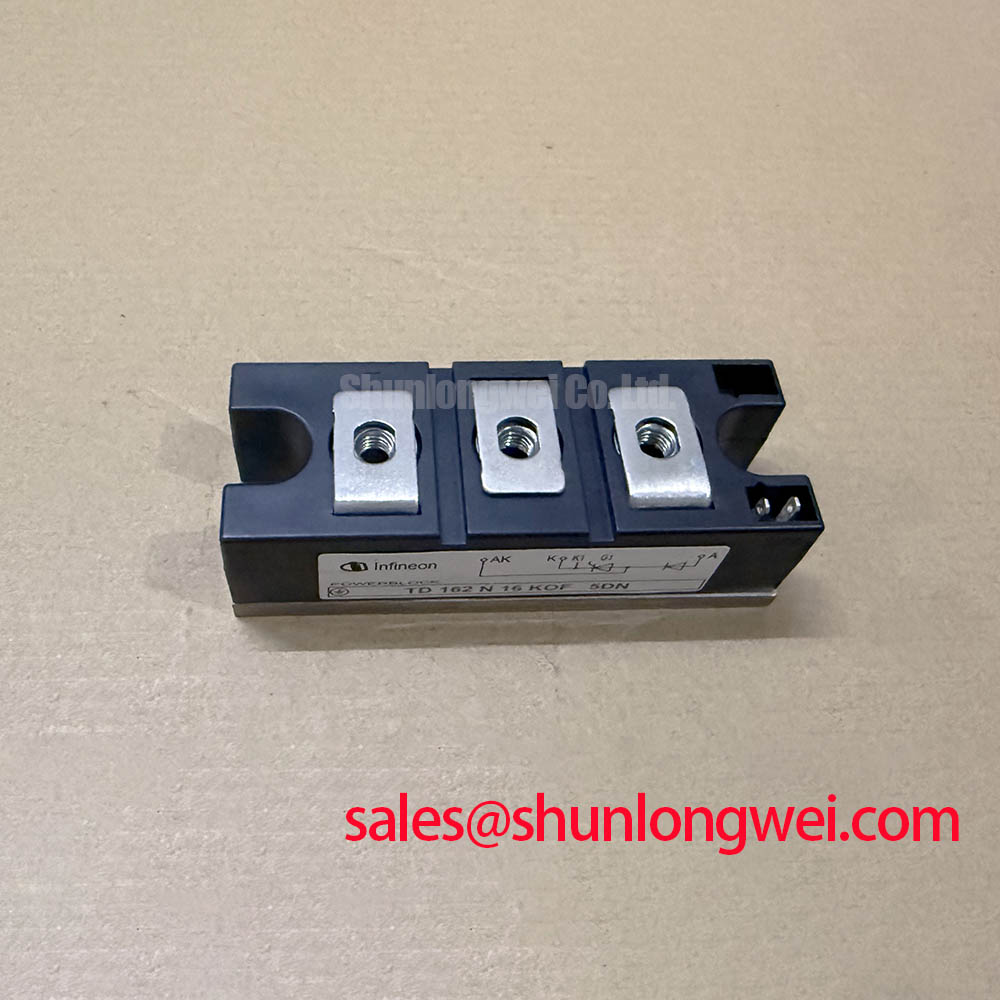
The module’s reliability is further enhanced by its mechanical design, which utilizes pressure contact technology. This construction method eliminates the need for solder joints on the main electrical path, which are often a point of failure during thermal cycling. You can visualize thermal resistance as the width of a pipe for heat flow; a lower value means a wider pipe. This module’s design creates an efficient, low-resistance path for heat to move from the silicon die to the heatsink, a critical factor for maintaining stable junction temperatures and ensuring long-term operational stability.
Optimized Application Scenarios
The electrical and thermal characteristics of the TD162N16KOF make it highly suitable for a range of high-power control applications.
* **Controlled Industrial Rectifiers**: The 1600V rating and 162A average current capacity are ideal for constructing robust front-end rectifiers for DC power supplies and battery chargers.
* **AC Motor Soft Starters**: Its ability to handle high inrush currents during motor startup makes it a reliable choice for reducing mechanical stress and electrical surges in motor control systems.
* **Industrial DC Drives**: The module’s efficient thermal dissipation ensures dependable performance in DC motor speed and torque control, where load conditions can vary significantly.
* **AC Power Controllers**: Provides precise phase-angle control for applications like large-scale heating elements, industrial lighting, and furnace temperature regulation.
For systems requiring robust, high-voltage AC phase control or rectification, this module’s combination of voltage headroom and thermal durability offers a superior fit.
Key Specifications of the TD162N16KOF
| Absolute Maximum Ratings (TC = 25°C unless otherwise specified) | |
|---|---|
| Repetitive Peak Reverse Voltage (VRRM) | 1600 V |
| Average On-State Current (ITAV) | 162 A |
| RMS On-State Current (ITRMS) | 260 A |
| Surge non-repetitive Forward Current (ITSM) | 3500 A (at 10 ms, 50 Hz) |
| Operating Junction Temperature (Tvj op) | -40 to 125 °C |
| Electrical & Thermal Characteristics | |
| On-state Voltage (VT) (at IT = 500 A, Tvj = 125°C) | max. 1.75 V |
| Gate Trigger Current (IGT) (Tvj = 25°C) | max. 150 mA |
| Thermal Resistance, Junction to Case (RthJC) | max. 0.17 K/W (per thyristor) |
| Insulation Test Voltage (VISOL) | 3000 V (RMS, 50 Hz, 1 min) |
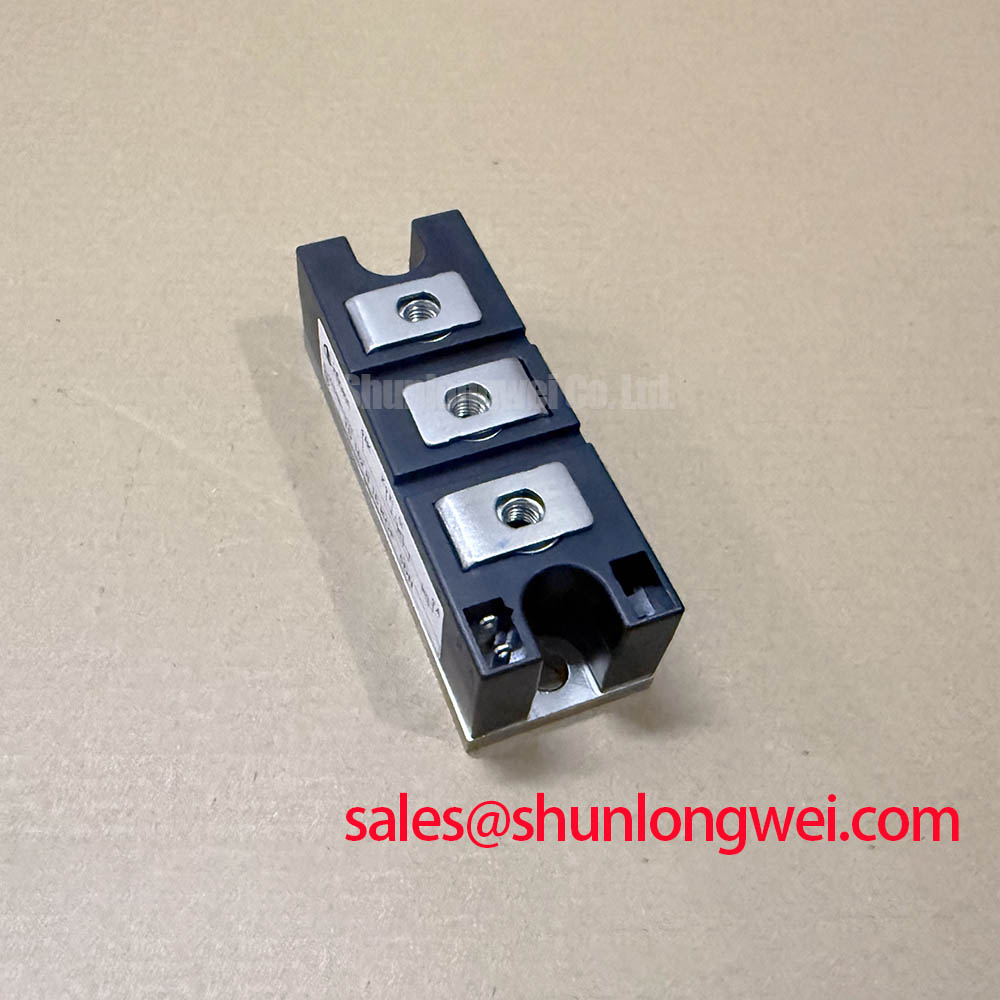
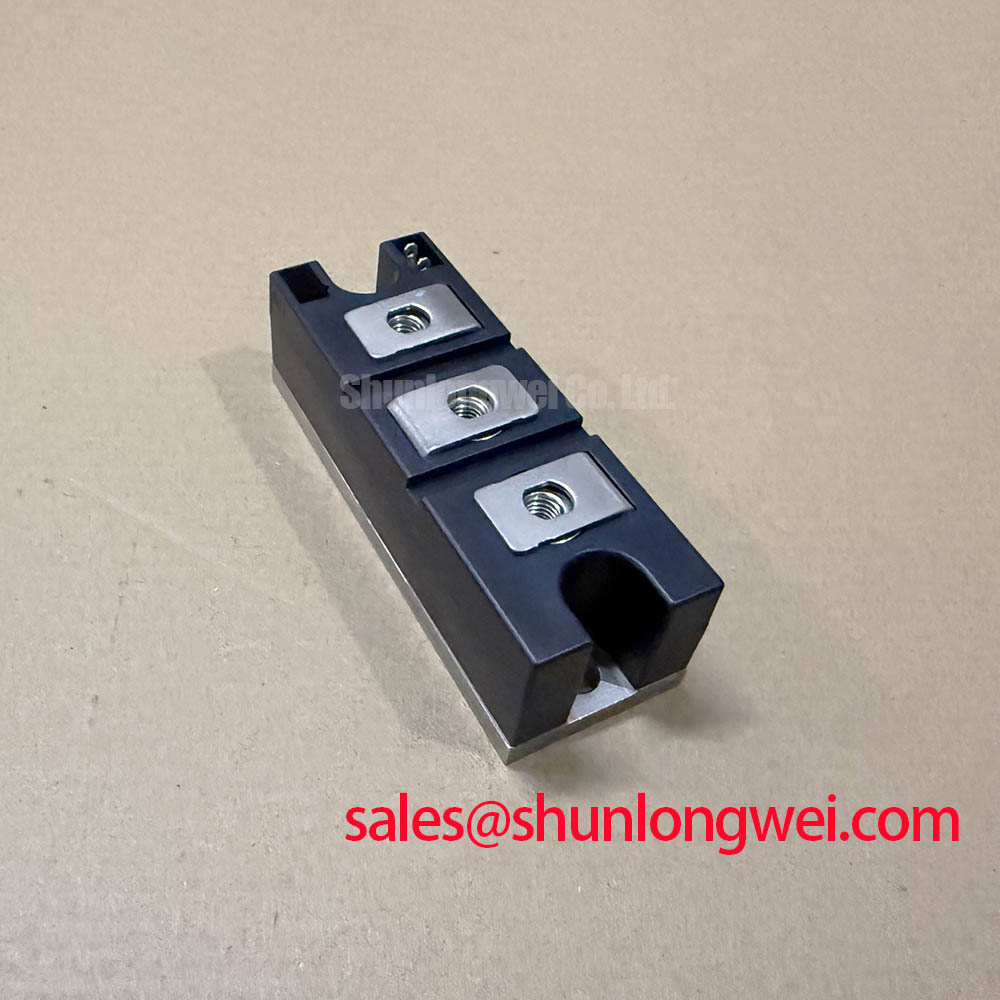
Engineer’s FAQ for the TD162N16KOF
**1. What is the recommended mounting procedure for this pressure contact module?**
A specific mounting force, typically specified in the datasheet in kilonewtons (kN), must be applied evenly across the module’s surface using a calibrated clamping system. This ensures proper electrical and thermal contact. Use of a thermal interface material (TIM) is also required.
**2. How does the module’s thermal resistance impact heatsink selection?**
The low junction-to-case thermal resistance (RthJC) means heat is transferred efficiently to the module case. To calculate the required heatsink thermal resistance (RthCA), you must determine the total power dissipation and the maximum allowable ambient temperature. The datasheet provides the necessary curves for this thermal design process.
**3. Can two TD162N16KOF modules be connected in parallel to achieve higher current ratings?**
Paralleling phase control thyristors requires careful consideration of device parameter matching (like VT) and symmetrical busbar layout to ensure current shares properly. While possible, it is a complex design task. Refer to Infineon’s application notes on paralleling power modules for detailed guidance.
**4. What does the “TD” in the part number signify?**
The “TD” designation indicates a module containing a Thyristor and a Diode, typically in a common cathode or common anode configuration for use in single-phase or three-phase bridge circuits.
This module’s robust electrical characteristics and proven pressure contact design provide engineers with a reliable foundation for developing efficient, long-lasting high-power industrial control systems. The integration of high voltage capability and effective thermal management enables simpler, more dependable end-product designs.