Sharp LQ9D340 8.4-Inch Industrial LCD Panel: Specifications and Legacy Integration Guide
Sharp LQ9D340 8.4-Inch Industrial VGA LCD Panel
The Sharp LQ9D340 represents a classic milestone in legacy industrial display systems, delivering robust performance as a direct drop-in replacement panel. Engineered for vintage HMIs and legacy control systems, this 8.4-inch display panel helps maintain machinery uptime while avoiding costly system redesigns.
- Core Parameters: 8.4-inch Screen | 640×480 VGA Resolution | 31-Pin Parallel TTL Interface
- Key Benefits: native compatibility with legacy video controllers, tough anti-glare surface protection.
How do engineers replace an aging CNC control panel display without retrofitting the entire controller? The LQ9D340 solves this with its legacy-compliant interface, receiving original analog timing signals directly. Learn more about our specialized LCD core technology solutions.
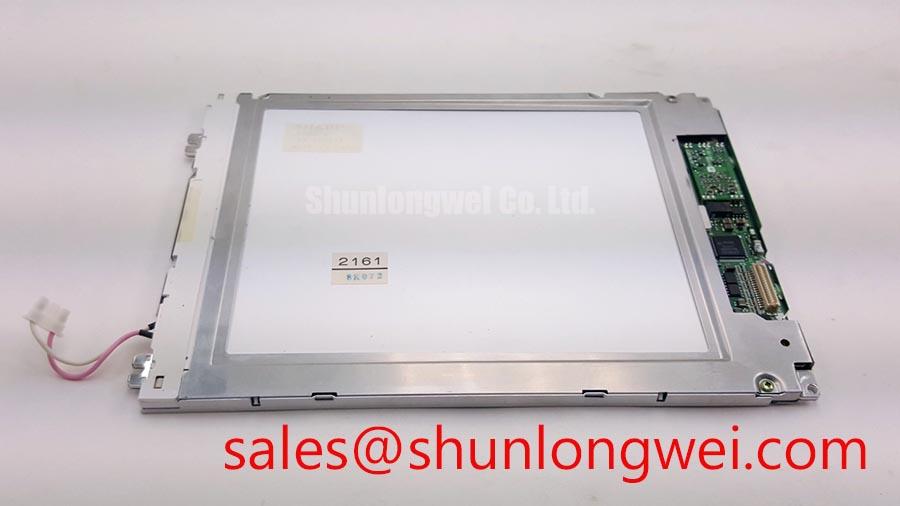


LQ9D340 Electrical and Mechanical Integration
The LQ9D340 uses an amorphous silicon (a-Si) TFT-LCD structure to provide stable color reproduction. Unlike modern high-frequency serial interfaces, this module communicates through a 31-pin parallel TTL interface. This interface acts like a dedicated mechanical keyway; it ensures that replacement components lock perfectly into vintage slots without requiring complex adaptations or external signal encoders.
Optical parameters are optimized for close-distance viewing. The 100:1 contrast ratio ensures readable diagnostic readouts under industrial lighting. Additionally, the anti-glare coating limits reflections in open factory environments. When integrating this panel into high-vibration machinery, review our guide on vibration and shock resistance for industrial displays to protect the CCFL lamp assembly.
The backlight employs a single CCFL tube. Although CCFL technology has shorter operational lifespans than modern LEDs, proper configuration of the inverter voltage preserves performance. Engineers can read more on industrial LCD backlight lifespan management to optimize energy efficiency and thermal dissipation.
Optimal Legacy Application Scenarios
- CNC Control Units: Direct drop-in replacement for vintage machine tool controllers utilizing parallel video cards.
- Legacy Medical Monitors: Replaces obsolete monitors in patient diagnostic systems without requiring system software modification.
- Factory Automation HMIs: Restores visual outputs on mature processing lines with zero interface adapter overhead.
Best-Fit Conclusion: The Sharp LQ9D340 is the definitive choice for maintaining legacy 8.4-inch systems without incurring expensive interface redesign costs.
Sharp LQ9D340 Technical Specifications
| Parameter | Specification Value |
|---|---|
| Screen Dimensions & Layout | |
| Diagonal Size | 8.4 Inches |
| Active Area | 170.88(W) × 129.6(H) mm |
| Resolution | 640 × 480 (VGA) |
| Electrical & Signal Interface | |
| Interface Type | 31-Pin Parallel PMOS / TTL |
| Input Voltage | 5.0V (Typical) |
| Display Colors | 262K (6-bit) |
| Optical & Thermal Limits | |
| Luminance | 150 cd/m² (Typical) |
| Contrast Ratio | 100:1 (Typical) |
| Operating Temperature | 0°C to +50°C |
Engineer FAQs for LQ9D340 Replacement
Q1: Can I replace a standard LQ9D340 with the LQ9D340H variant?
Yes. The LQ9D340H variant offers similar optical properties and shares the physical dimensions of the standard unit. Check our Sharp LQ9D340H technical review to verify pinout compatibility for your exact controller variant.
Q2: How is the CCFL backlight powered on this display module?
The display backlight requires an external high-voltage inverter supplying high-frequency AC power. Do not connect the CCFL line directly to the 5V DC supply rail, or the lamp will be permanently damaged.
Q3: How do I handle signal integrity over long cable runs?
Since parallel TTL signals are vulnerable to electromagnetic interference, ribbon cables should be kept as short as possible. Use shielded cabling or grounding lines between alternating signal lines to prevent image ghosting.
The Sharp LQ9D340 remains a crucial component for sustaining vintage industrial interfaces. By offering native support for legacy 31-pin parallel systems, it preserves operational infrastructure without requiring complex modifications.